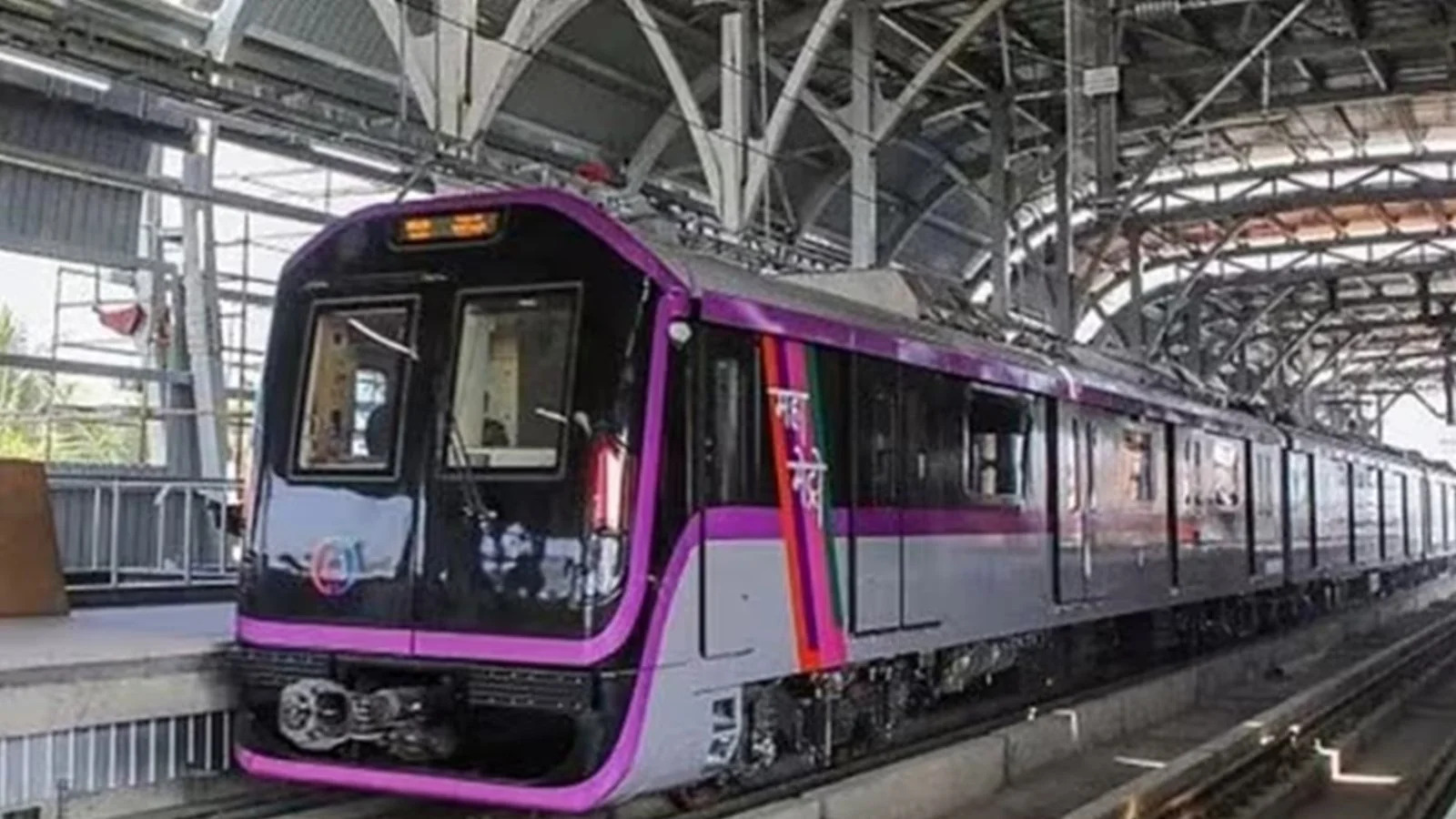
Pune’s urban transport network is set to gain a crucial pedestrian upgrade as Pune Metro prepares to open dedicated underground walkways at its Shivajinagar and Swargate stations, pending final safety clearance. The move is expected to significantly improve everyday mobility at two of the city’s busiest transit nodes, where thousands of commuters currently navigate congested roads on foot. According to officials familiar with the development, statutory safety inspections for both pedestrian underpasses have already been completed, and the system is now awaiting final certification before public access is allowed. Once operational, the facilities will offer grade-separated, all-weather pedestrian movement linking Metro platforms directly to key commercial, institutional, and intercity transport destinations.
The intervention addresses a persistent challenge in Indian cities: the disconnect between mass transit systems and safe last-mile walking infrastructure. At Swargate, the underpass will provide a direct pedestrian link between the Metro station and the state transport bus terminal, an interchange that handles large daily volumes of regional and intercity travellers. Urban planners note that eliminating road-level crossings at such junctions reduces accident risk, improves travel time reliability, and lowers congestion caused by frequent pedestrian stoppages. In Shivajinagar, the new pedestrian tunnel will connect the station to a prominent administrative and commercial junction, an area frequented by office workers, students, and public service users. With daily footfall at both stations estimated to exceed several thousand passengers, the underpasses are expected to ease pressure on surface streets while improving commuter comfort, particularly for elderly users and people with reduced mobility.
Beyond immediate safety gains, the project reflects a broader shift in how Metro systems are being integrated into city fabric. Transport experts highlight that pedestrian-first infrastructure plays a critical role in encouraging public transport adoption, reducing dependence on private vehicles, and cutting urban transport emissions. In dense city cores such as central Pune, small interventions like underpasses and walkways often deliver disproportionate environmental and economic benefits. The developments also align with Pune Metro’s longer-term plans to transform Shivajinagar and Swargate into multi-modal hubs. Future phases are expected to add dedicated interchange facilities for city buses, non-motorised transport corridors, and foot-over-bridges, enabling smoother transfers across Metro lines and other transport modes. Preparatory infrastructure is already in place to support upcoming route integrations later this year.
Separately, administrative consolidation is underway with the near-completion of a central Metro office complex at a key downtown station, signalling the system’s transition from project execution to long-term operations. As Pune continues to expand its rapid transit network, the success of initiatives like these pedestrian underpasses will be measured not just by ridership numbers, but by how seamlessly the Metro fits into everyday urban life making walking safer, journeys shorter, and the city more accessible for all.