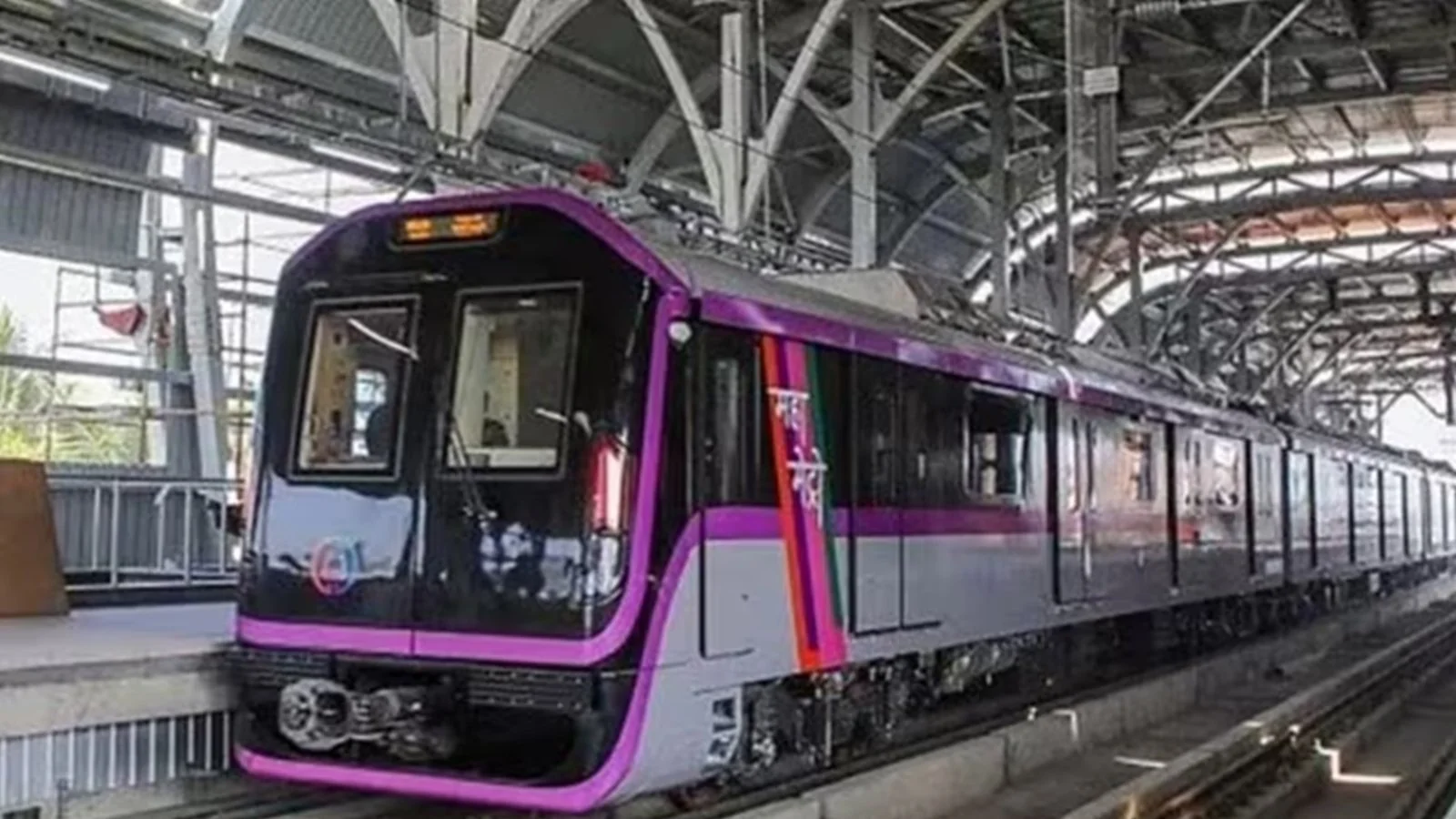
A new assessment of pedestrian infrastructure along a four-kilometre stretch of the Pune Metro corridor has raised concerns about poor walkability and unsafe footpaths near five stations on the Ramwadi–Vanaz route. The study, commissioned under a sustainable mobility initiative, indicates that broken pavements, encroachments, and inconsistent maintenance are undermining efforts to promote greener first- and last-mile connectivity in the city.
The assessment, compiled as a Pedestrian Friendliness Report and submitted recently to the Maharashtra Metro Rail Corporation Limited (Maha-Metro), focuses on access routes surrounding the Vanaz, Anand Nagar, Ideal Colony, Nal Stop, and Garware College stations. These stations sit along a busy belt lined with educational institutions, residential pockets, commercial establishments, and bus stops—areas where pedestrian volumes remain consistently high. According to the report, several stretches are obstructed by informal food vendors, forcing walkers onto the road. In addition, pavements damaged by tree roots, scattered debris, and irregular gradient levels have contributed to a sense of unsafe and uncomfortable movement for both daily commuters and first-time Metro users. “The footpaths here are simply not designed for long-term pedestrian comfort,” said a volunteer involved in the study, adding that safer walking infrastructure is essential for a sustainable Metro ecosystem.
The study also identifies four internal roads—Nanasaheb Dharmadhikari Road, Nanasaheb Sutar Road, Swami Vivekananda Road, and Shripati Sutar Road—as severely congested and lacking adequate pedestrian facilities. Frequent potholes, erratic traffic flow, and missing footpaths were flagged as barriers for residents who rely on walking, buses, auto-rickshaws, or two-wheelers to reach nearby stations. Urban mobility experts note that the findings reiterate a long-standing gap in Pune’s approach to integrating public transit with its surrounding streets. “A Metro system can only be as inclusive as the pathways that lead to it,” said a transport planner, stressing that poor last-mile walkability can discourage ridership and push citizens back towards private vehicle dependence, undermining the city’s broader climate and congestion goals.
The assessment forms part of Maha-Metro’s “Walk, Bus, Cycle and Metro” initiative, which aims to nudge Pune towards low-carbon mobility patterns. More than 3,000 citizens have reportedly written to the Pune Municipal Corporation (PMC) urging improved pedestrian infrastructure and safer access routes. Maha-Metro officials confirmed that the findings have been shared with the PMC road department, requesting prompt corrective measures. As Pune continues its push for cleaner and more equitable urban mobility, improving the built environment around public transport hubs will be crucial. The report’s recommendations—ranging from clearing encroachments to redesigning footpaths—offer a pathway for the city to strengthen walkability and ensure that Metro infrastructure benefits a wider range of users, including children, senior citizens, and persons with disabilities.
Pune Metro Footpaths Around Five Stations Remain Unsafe Over Four Kilometres