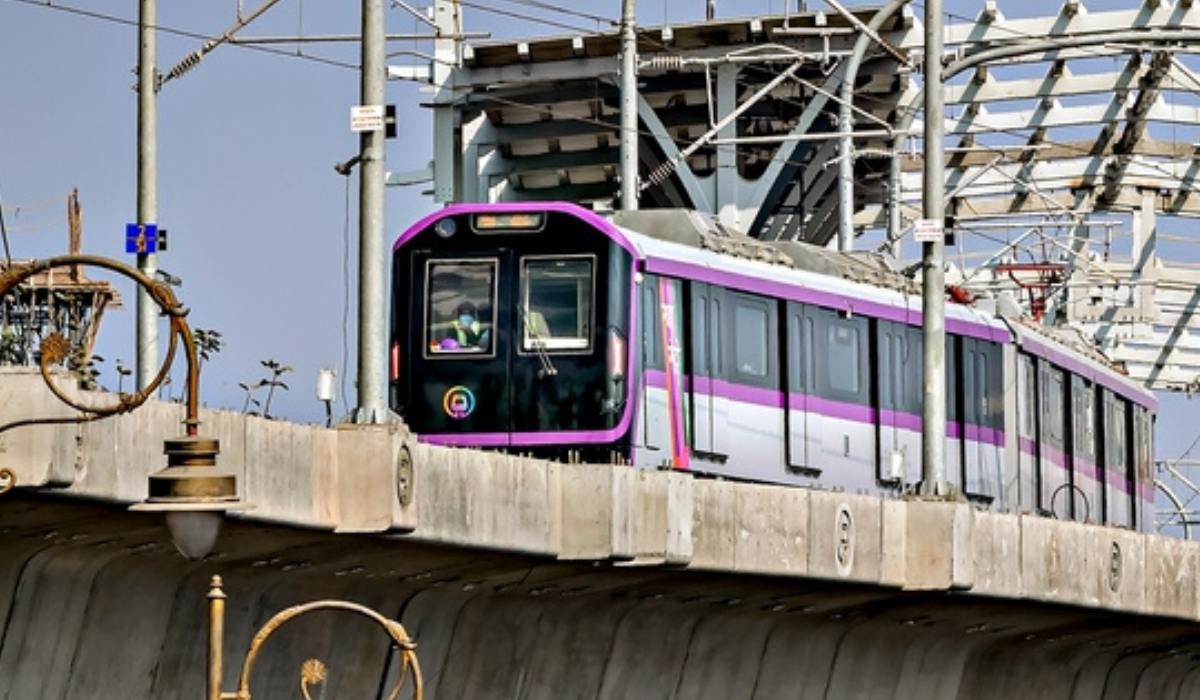
A major addition to the Pune Metro network is set to transform daily commuting patterns across western Pune, with authorities preparing to roll out services on the Hinjewadi–Shivajinagar line in stages beginning this summer. The long-planned corridor is expected to connect one of India’s fastest-growing technology districts with the city’s central business areas, marking a significant step in the broader Pune Metro expansion programme.
State leadership confirmed the phased opening while inaugurating the new headquarters of Maha Metro, signalling progress on a project that urban planners say could reshape mobility in the Pune metropolitan region. Officials involved in the project said the first operational stretch will run from Hinjewadi to Balewadi and include a dozen stations. A second segment extending to Shivajinagar is planned to follow shortly after.
The corridor, stretching roughly 23 kilometres, is being developed through a special purpose vehicle created to serve the technology belt around Hinjewadi. Implementation is being overseen by the Pune Metropolitan Region Development Authority, which has been tasked with strengthening regional infrastructure to match the area’s economic growth. Urban transport experts note that the Pune Metro expansion comes at a critical moment for the city.
Hinjewadi has emerged as one of India’s largest IT clusters, hosting multinational technology firms and tens of thousands of workers. Yet road connectivity between the technology parks and the older commercial districts has long been strained by severe congestion and long commute times. The new metro link aims to provide a high-capacity public transport alternative for the technology workforce while easing pressure on arterial roads connecting the western suburbs to central Pune. According to planners, integrating mass transit with employment hubs can significantly reduce travel emissions and energy use, an important factor for rapidly growing cities seeking climate-resilient mobility systems.
Officials also pointed to broader ambitions for the region’s transport network. The state government has indicated that the metro system in Pune could eventually grow into a far larger grid serving residential clusters, employment centres and key transit nodes. Work is already underway on dozens of kilometres of metro track, with more routes under evaluation. In the longer term, authorities are examining the feasibility of linking metro services to the proposed international airport planned near Purandar, south-east of Pune. Transport economists say such integration could strengthen regional connectivity while encouraging compact urban development around transit corridors.
Ridership trends already suggest strong demand for metro services. Daily passenger numbers on existing lines have steadily increased since operations began, with peak usage during large cultural events and festivals highlighting the network’s role in supporting urban mobility. As the next corridor prepares to open, planners say the challenge will be ensuring last-mile connectivity, transit-oriented development and pedestrian-friendly infrastructure around stations. If executed effectively, the Pune Metro expansion could become a blueprint for how Indian cities align infrastructure investment with economic growth and sustainable urban mobility.
Pune Metro Expansion Reshapes Western Commute