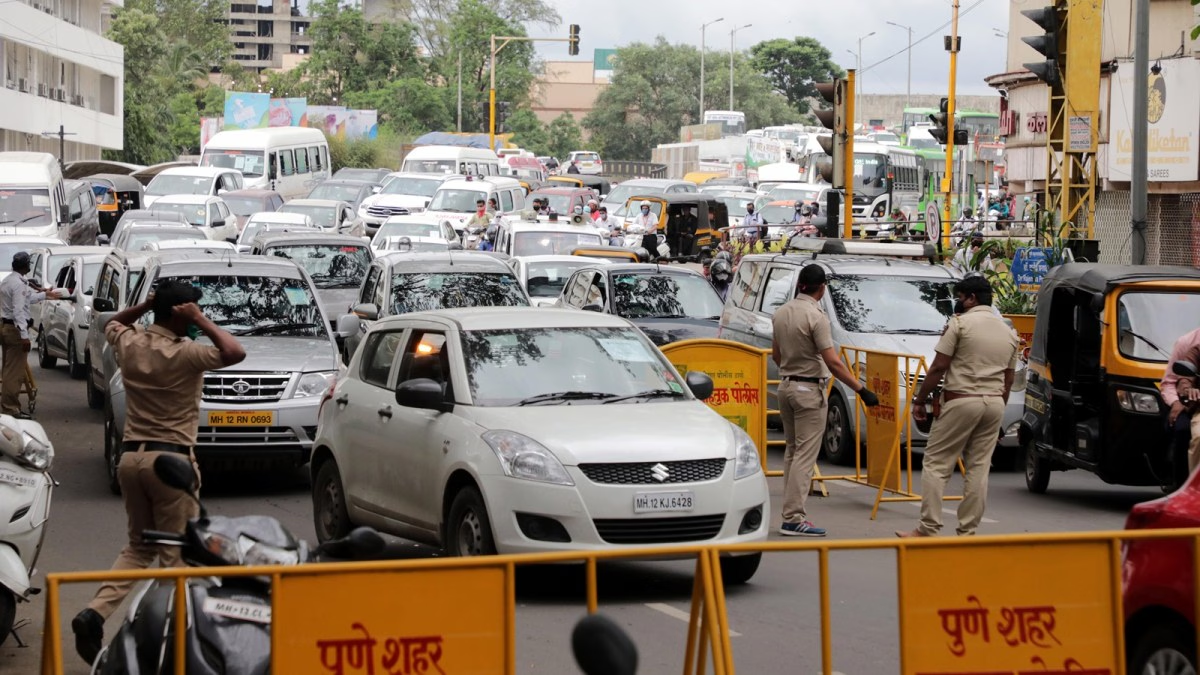
A proposal to move large wholesale markets and logistics hubs out of Pune’s dense urban core is gaining policy attention as authorities examine ways to reduce congestion and improve freight mobility. The idea centres on relocating traditional trading clusters to land parcels along the city’s upcoming ring road network, a move planners believe could significantly cut heavy vehicle traffic entering central neighbourhoods.
Transport officials and urban planners reviewing mobility challenges in Pune say wholesale markets generate a substantial share of daily truck movement within the city. These markets often attract freight vehicles transporting grain, hardware supplies, scrap material and other bulk commodities. When located within dense commercial areas, such activity can worsen congestion, increase pollution levels and create safety concerns for pedestrians and local traffic. The proposal for Pune market relocation was discussed during an interaction with the city’s trading community, where infrastructure policymakers highlighted the need to rethink how goods movement is organised in rapidly growing metropolitan regions. The approach aligns with urban planning models that separate heavy logistics activity from residential and mixed-use districts while ensuring efficient supply chains.
Under the proposed strategy, new wholesale markets, warehouses and commodity trading hubs could be developed along planned highway corridors and the Pune ring road system. These areas would be connected directly to regional highways, allowing freight vehicles to bypass city streets entirely. Transport economists note that such infrastructure could help reduce urban emissions by limiting the movement of large trucks through congested areas.
Urban development specialists say the Pune market relocation concept also reflects broader shifts in metropolitan planning across India. As cities expand, many are moving wholesale trading zones and logistics facilities to peripheral growth corridors where land availability allows for organised infrastructure, truck parking areas and modern storage facilities.
Pune’s proposed ring road is expected to play a key role in this transformation. By creating a high-capacity road loop around the metropolitan region, the project is designed to redirect long-distance and freight traffic away from inner city routes. Integrating wholesale markets and logistics parks along this corridor could create new economic clusters while easing pressure on older commercial districts. However, planners emphasise that relocation strategies require careful coordination with traders, transport operators and municipal authorities. Wholesale markets often form part of long-standing commercial ecosystems that support thousands of small businesses, workers and suppliers. Any transition would therefore need to ensure that traders retain access to customers and urban supply chains remain efficient.
Urban economists also highlight the potential real estate implications. Moving wholesale trade to the city’s outskirts could free up valuable land in central neighbourhoods for mixed-use redevelopment, public infrastructure or community facilities. At the same time, peripheral logistics hubs could stimulate new industrial and warehousing development along emerging highway corridors.
The Pune market relocation discussion comes as the region prepares for significant road infrastructure investment and expanding urban boundaries. If implemented through coordinated planning, transport experts say the strategy could support a more organised freight network while helping the city address rising congestion, air pollution and land-use pressures.
Pune Market Relocation Plan Targets Traffic Reduction