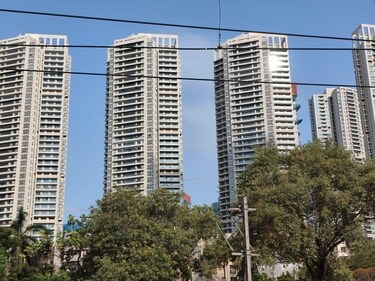
Pune’s real estate sector is under renewed scrutiny as the Maharashtra Real Estate Regulatory Authority (MahaRERA) recently took up multiple complaints over delayed possession in a prominent residential project. Homebuyers have raised concerns regarding unfinished units in the Navjyot Abha Phase II development, highlighting broader challenges in urban housing delivery and consumer trust in the city’s expanding residential markets.
A group of 19 buyers approached the regulator after booking flats between 2020 and 2022, citing non-compliance with agreed possession timelines. Despite substantial payments and signed agreements, residents report that construction remains largely incomplete, with essential approvals such as occupation certificates still pending. Buyers further emphasised the financial strain caused by concurrent home loan EMIs and rental commitments, underlining the human impact of prolonged project delays. MahaRERA proceedings revealed that construction has been stalled for over two years, with only partial work completed in certain areas. The developer acknowledged financial constraints and proposed involving a new promoter to revive the project. While some buyers reportedly agreed to this plan in principle, formal agreements remain pending due to unresolved issues among landowners, leaving many homebuyers in limbo.
Industry observers note that stalled residential projects not only disrupt household finances but also affect broader urban growth. “Delayed delivery in high-density areas can strain housing supply and rental markets, undermining trust in formal real estate channels,” said a senior urban planning consultant. For a city like Pune, which is experiencing rapid urbanisation and rising demand for sustainable housing, such delays highlight the need for stronger project monitoring and timely regulatory enforcement. Economically, stalled projects also impede local investment cycles. Developers collecting funds disproportionate to construction progress risk breaching the Real Estate (Regulation and Development) Act, which could attract penalties and legal scrutiny. Analysts suggest that structured intervention by regulators, including mandated timelines for refunds or project revival, is critical to prevent systemic market disruptions.
From an urban resilience perspective, ensuring completed and compliant housing projects is vital for sustainable city planning. Delays in obtaining approvals like occupation certificates can compromise long-term infrastructure planning, including water, sewage, and energy provisioning. Experts argue that timely resolution and transparent communication between developers, regulators, and buyers are essential for equitable, people-centric urban development. MahaRERA has indicated that complaints will be adjudicated based on the original reliefs sought, including refunds with interest, reimbursement of associated costs, and compensation for hardship. How swiftly the process moves could set a precedent for managing stalled residential projects across Pune and other growing urban centres in Maharashtra.