


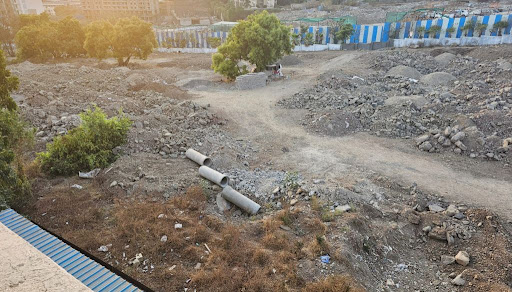
A large and fast-evolving pocket of southern Pune is being positioned as a testbed for integrated, people-centric urban development, as local civic planning frameworks converge around Ward 41 covering Mahadevwadi–Undri and its surrounding settlements. The ward’s transformation reflects a broader shift in Indian cities towards managing peri-urban growth through structured infrastructure, social services, and digital systems rather than ad-hoc expansion.
Ward 41 spans multiple historically distinct wadis that have gradually merged into a single urban continuum due to population growth, housing demand, and improved road connectivity. Once semi-rural, the area now accommodates dense residential clusters, educational institutions, and small commercial hubs, placing pressure on water supply, drainage, mobility, and public amenities. Urban planners note that addressing such complexity requires coordinated interventions rather than isolated civic works. The emerging development framework for the Mahadevwadi–Undri belt prioritises integrated civic infrastructure, including roads, street lighting, sanitation networks, and public open spaces. Officials familiar with local planning say the approach aims to strengthen basic services first, while ensuring newer neighbourhoods are not disconnected from older settlements. This is critical in wards where informal layouts coexist with gated housing projects and rental housing for migrant workers.
A significant emphasis is being placed on social infrastructure. Proposals include neighbourhood-level healthcare facilities, early education centres, libraries, and skill development hubs aimed at youth and women. Urban development experts argue that such investments are essential to ensuring economic participation keeps pace with real estate growth, particularly in peripheral wards that often lag behind city cores in access to services.
Digital systems form another layer of the ward’s transition. Surveillance infrastructure, public Wi-Fi zones, and data-enabled civic monitoring are being rolled out to improve safety, transparency, and service delivery. While such measures are increasingly common across Indian cities, planners caution that their effectiveness depends on integration with physical infrastructure and responsive governance.
