


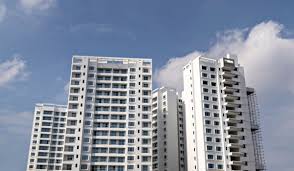
A new premium residential project is set to rise in eastern Pune, signalling renewed confidence in the city’s luxury housing segment even as developers recalibrate supply across price brackets. The high-end scheme, branded Luxton, is being developed by Saheel Properties and aims to tap demand from technology professionals, entrepreneurs and returning expatriates seeking larger, amenity-rich homes.
Located in a corridor that has benefited from improved road connectivity and proximity to IT parks, the project reflects a broader shift in Pune luxury housing towards integrated, vertical communities. Industry observers note that east and west Pune micro-markets have witnessed steady absorption in the upper-mid and premium categories, supported by relatively stable employment in IT services, manufacturing and global capability centres. The development is expected to feature high-rise towers with contemporary layouts and shared amenities such as wellness facilities, landscaped open spaces and multi-level parking. While luxury positioning often centres on lifestyle features, urban planners argue that long-term value will increasingly depend on energy efficiency, water management and mobility integration. “Premium buyers are becoming more conscious of sustainability metrics,” said a senior housing market analyst tracking western India. “Green building certifications, solar-ready rooftops and decentralised waste systems are no longer optional extras they are influencing purchase decisions.”
Pune luxury housing has historically remained smaller in scale compared with Mumbai, but the gap has narrowed as infrastructure projects expand the city’s reach. The operationalisation of new metro corridors and widening of arterial roads have improved access between residential clusters and employment hubs, reducing commute times and enabling higher-density development. At the same time, civic challenges remain. Rapid construction in select pockets has placed pressure on water supply networks and local traffic systems. Urban economists caution that premium projects must align with broader infrastructure capacity to avoid exacerbating congestion or groundwater depletion. Developers in Pune are also navigating a more measured demand cycle following the sharp post-pandemic rebound. Sales volumes have stabilised, but price discovery in the luxury segment has held firm due to limited supply of well-located land parcels. This has encouraged builders to focus on design differentiation and phased launches rather than large, single-phase rollouts. Market data indicates that affluent homebuyers are prioritising larger apartments that accommodate hybrid work needs, including dedicated study areas and community workspaces. Projects positioned within established social ecosystems schools, healthcare facilities and retail have recorded faster bookings.
The success of this addition to Pune luxury housing will depend not only on branding and amenities but on execution quality and regulatory compliance. As Pune evolves into a denser, transit-linked urban region, residential developments that combine premium living with responsible land use and lower environmental impact are likely to define the city’s next growth phase.
Also Read: Shriram Properties Bengaluru residential development push
Pune luxury housing reshapes east corridor
