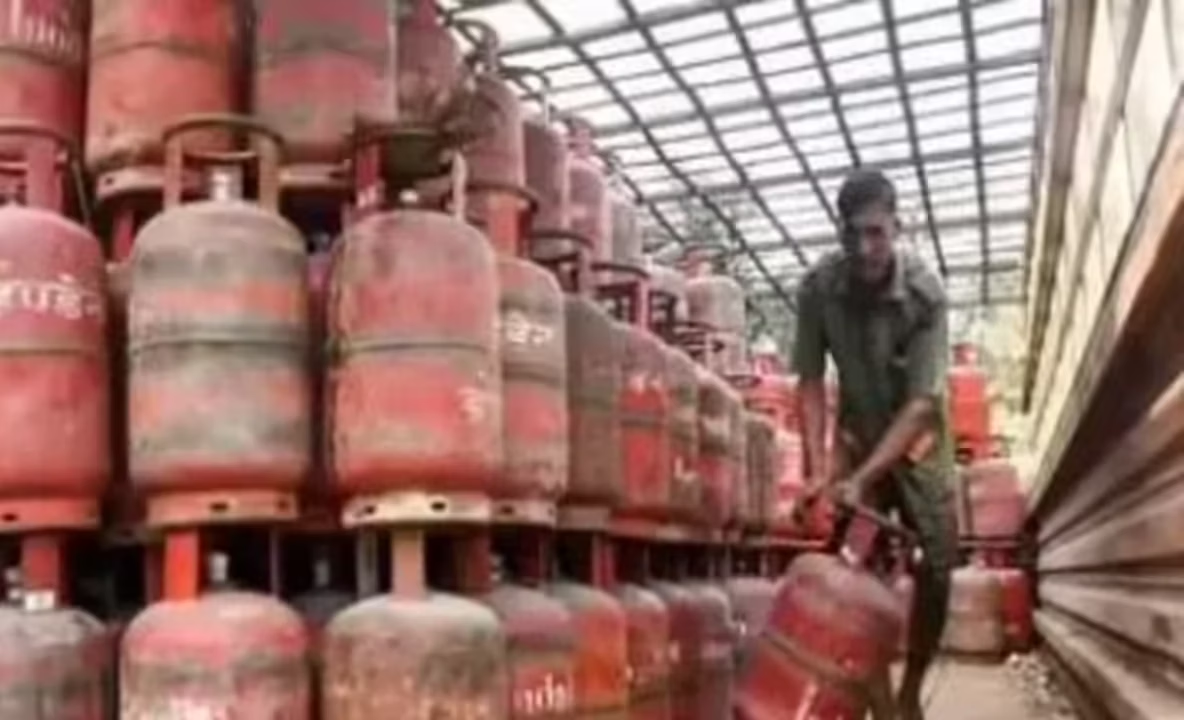
A sudden Pune LPG shortage has disrupted the city’s network of low-cost mess facilities and small eateries that feed thousands of students preparing for competitive examinations, exposing how global supply disruptions can quickly affect essential urban services. With gas cylinder supplies tightening this week, several small kitchens across key student neighbourhoods have halted operations, leaving many aspirants scrambling for affordable meals and raising questions about the resilience of local energy supply chains.
Areas known for hosting large student populations including Narayan Peth, Navi Peth, Karve Nagar and Wakad have been among the hardest hit. These neighbourhoods house clusters of hostels, paying guest accommodations and study centres where affordable mess services form an essential part of daily life for students pursuing examinations such as civil services and state administrative tests. Industry associations representing restaurants and small eateries say dozens of mess facilities and tiffin centres have already paused cooking operations as gas cylinder deliveries stalled earlier this week. Hundreds of other establishments are operating under severe constraints, reducing menu options or cutting back meal timings in order to stretch the limited fuel they still have.
Small-scale food operators, who typically run on narrow margins and serve fixed-price meals, are particularly vulnerable to supply disruptions. Many operate from residential kitchens or compact commercial spaces and depend entirely on liquefied petroleum gas cylinders for cooking. Without reliable supply, their ability to maintain regular meal services becomes almost impossible. The immediate fallout is being felt most sharply by students living away from home. Budget mess facilities usually offer simple home-style meals at affordable prices, helping aspirants manage tight living costs while dedicating long hours to exam preparation. With closures spreading, meal prices at remaining outlets have begun rising, while the variety of food served has narrowed significantly.
Some kitchen operators have experimented with electric induction cooktops as a temporary workaround. However, industry representatives say this solution has practical limitations, including slower cooking speeds and increased electricity consumption. For establishments designed to prepare hundreds of meals in a short time window, such adjustments often prove inefficient. Urban economists note that the Pune LPG shortage highlights a broader structural issue: many Indian cities depend heavily on single fuel sources for essential services such as community kitchens, small restaurants and food delivery networks. When global geopolitical tensions disrupt supply chains, the impact can quickly cascade through urban livelihoods and social infrastructure.
The situation has also raised concerns about possible black-market trading of LPG cylinders at inflated prices. Small mess operators say they are unable to absorb such costs, as doing so would push meal prices beyond what most students can afford. For urban planners and policymakers, the disruption underscores the need to diversify energy sources for small businesses while strengthening urban food resilience. Expanding access to electric cooking infrastructure, improving gas distribution monitoring and supporting community kitchens could help buffer vulnerable groups during supply shocks. As authorities monitor the evolving supply situation, the Pune LPG shortage is likely to remain a critical issue for the city’s student economy reminding policymakers that even basic urban services depend on stable and transparent energy systems.
Pune LPG Shortage Exposes Urban Supply Risks