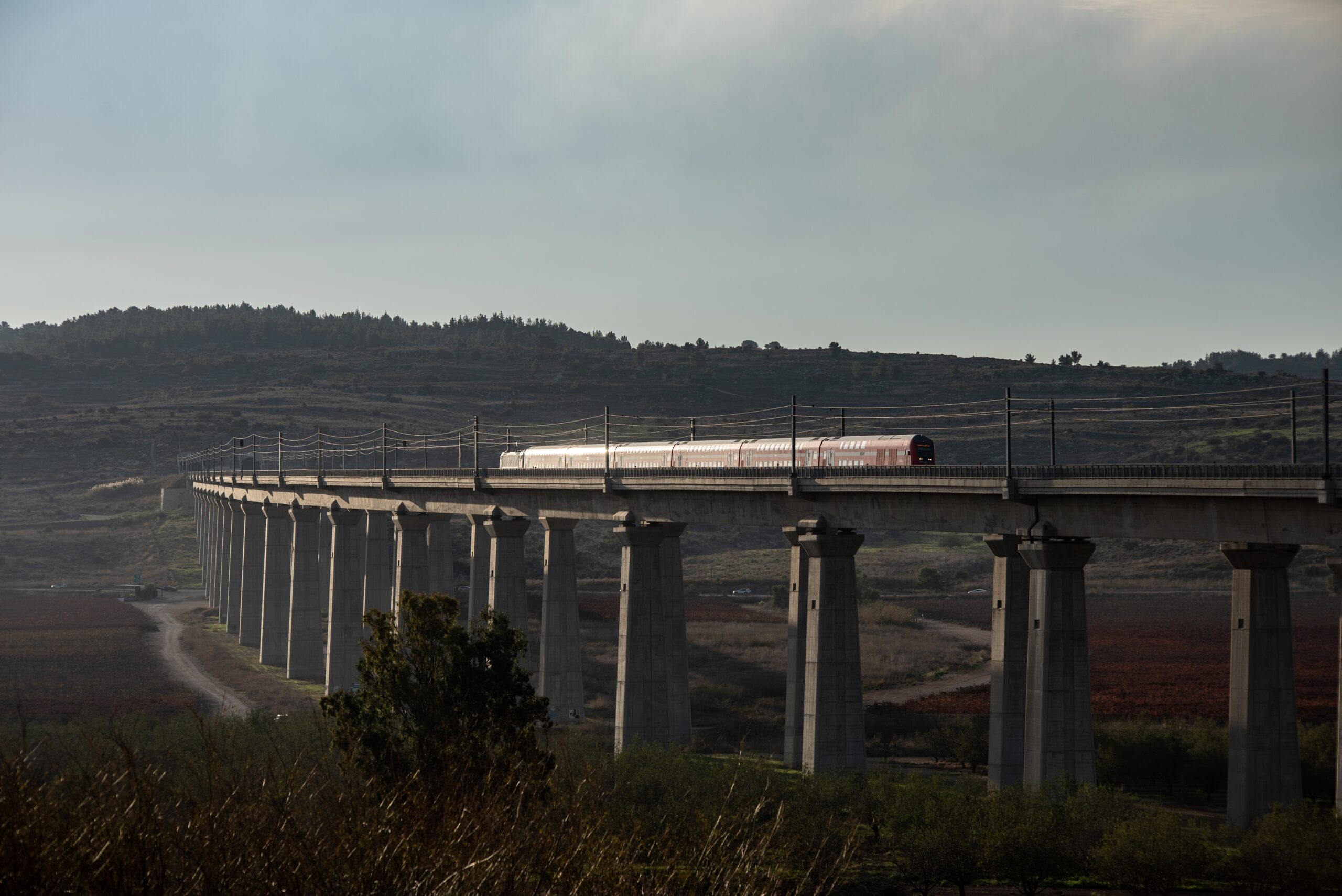
Pune Lonavala Rail Project Approved With State And Centre Funding
Pune’s daily rail commuters are set for a major relief as the long-pending expansion of the Pune–Lonavala railway line has received state government clearance. The project, involving the construction of a third and fourth track along the 66-kilometre stretch, will be jointly funded by the state and the Centre, each contributing half of the cost. Officials confirmed that the approval now paves the way for immediate execution, promising to cut congestion and speed up services on one of Maharashtra’s busiest routes.
The Pune–Lonavala suburban corridor has for years faced capacity constraints, with increasing passenger demand colliding with freight movement. Railway experts have described the additional lines as critical for balancing both needs without constant delays. With this expansion, travel time between Pune and Lonavala is expected to reduce significantly, and the move will also enhance punctuality, especially during peak hours when thousands rely on suburban trains for their daily commute.
Officials highlighted that this is not just a short-term fix but part of a broader expansion strategy. The project is linked to the Centre’s plan of upgrading high-density corridors across the state, under which the Pune–Lonavala route was classified as a priority. In parallel, the Pune–Solapur–Wadi stretch was marked as an “energy corridor,” meaning that over the next seven to eight years, nearly 475 kilometres of third and fourth tracks will be laid to meet future demand.
Transport planners note that the expansion will have far-reaching benefits beyond commuter convenience. By enabling faster and more efficient train operations, the new infrastructure will help reduce road traffic on the Pune–Mumbai highway, indirectly cutting vehicular emissions. This aligns with wider sustainability goals of shifting more passengers and goods towards rail, which remains one of the most energy-efficient modes of transport. The move also reflects a policy shift towards climate-conscious urban planning, where rail networks play a central role in easing urban mobility pressures. For Pune, a rapidly growing metropolitan region, the project could reshape daily connectivity. Enhanced rail services are expected to support regional development, with satellite towns along the route gaining easier access to Pune’s job and education hubs. Economic analysts argue that improved transport links often spur real estate growth, commercial activity, and tourism in adjoining districts, multiplying the impact of infrastructure spending.
While timelines for completion will depend on land acquisition and technical clearances, both state and central agencies have signalled their intent to fast-track the process. Officials in the infrastructure committee stressed that the approval was a decisive step in breaking years of bureaucratic deadlock. The Pune–Lonavala rail project now stands as a crucial investment in sustainable urban mobility, combining speed, efficiency, and environmental responsibility. For commuters long accustomed to crowded trains and unpredictable schedules, the approval signals the beginning of a smoother, greener, and more reliable travel experience.