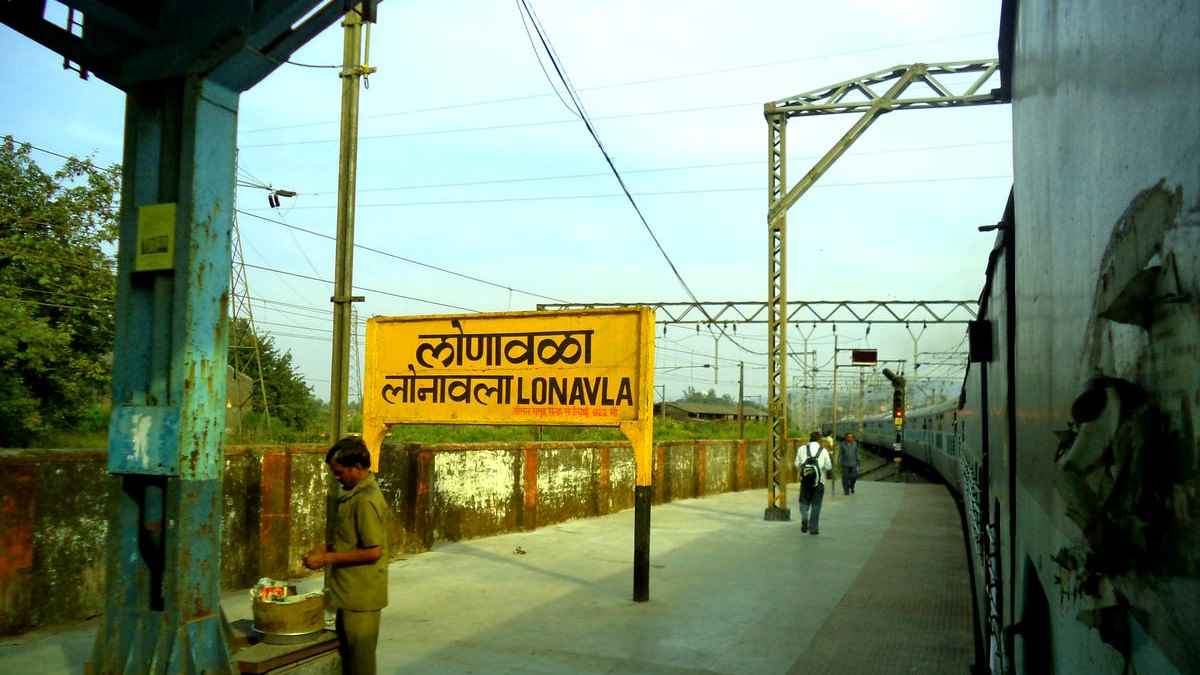
Nearly five decades after suburban rail services began between Pune and Lonavala, the corridor remains constrained by the same two-track layout, limiting its ability to serve one of Maharashtra’s fastest-growing commuter regions. As daily passenger volumes rise across Pune, Pimpri-Chinchwad and the Maval belt, the absence of dedicated additional tracks has become a structural bottleneck with consequences for mobility, productivity and environmental sustainability.
The Pune–Lonavala suburban rail corridor spans just over 60 kilometres and connects 17 stations, linking industrial zones, education hubs and expanding residential clusters. Despite its strategic importance, service frequency has stagnated. Daily operations currently fall short of demand, with large gaps during daytime hours and reduced services compared to the pre-pandemic period. For students, shift workers and office commuters, these gaps translate into longer waits, overcrowded trains and a growing shift towards private vehicles.
Railway planners acknowledge that the core constraint is capacity. Long-distance express and freight trains share the same tracks as local services, leaving little room to add suburban frequency without compromising safety or punctuality. Transport economists note that without third and fourth lines, operational flexibility remains limited, regardless of rolling stock availability.
The proposed expansion of the Pune Lonavala suburban rail has been under discussion for more than three decades. The project structure envisages cost-sharing between urban local bodies and the state, reflecting the regional nature of the benefits. While the state government has indicated its financial commitment, municipal and metropolitan authorities are yet to translate approvals into execution. Industry experts say such multi-agency funding models often struggle without a single accountable delivery authority. From an urban development perspective, the delay carries wider implications. The Pune–Pimpri-Chinchwad–Lonavala growth belt has seen rapid real estate expansion, driven by manufacturing, logistics and education. However, inadequate rail capacity undermines transit-oriented development goals and pushes commuters towards road transport, increasing congestion and emissions along the Mumbai–Pune corridor.
Environmental planners argue that strengthening suburban rail is among the most effective ways to cut per-capita transport emissions in the region. Electric local trains offer a low-carbon alternative to private cars and buses, particularly for medium-distance daily travel. Without capacity augmentation, however, the modal shift required for climate-resilient urban growth remains elusive. Passenger groups have increasingly framed the issue as one of equity. Affordable, reliable rail access is critical for lower- and middle-income households living in peripheral towns, where housing costs are lower but job opportunities remain concentrated in Pune. Limited service frequency effectively raises the cost of commuting, reducing economic opportunity for these communities.
With regional mobility projects gaining momentum elsewhere in the Pune metropolitan area, the contrast is becoming sharper. Urban policy specialists suggest that integrating the Pune Lonavala suburban rail expansion into a broader regional transport plan with clear timelines and institutional accountability could unlock long-term benefits. As pressure builds from commuters and civic groups, 2026 may prove decisive. Whether authorities move from approvals to ground action will signal how seriously the region treats rail-led, people-first urban mobility.
Pune Lonavala Rail Corridor Awaits Capacity Upgrade