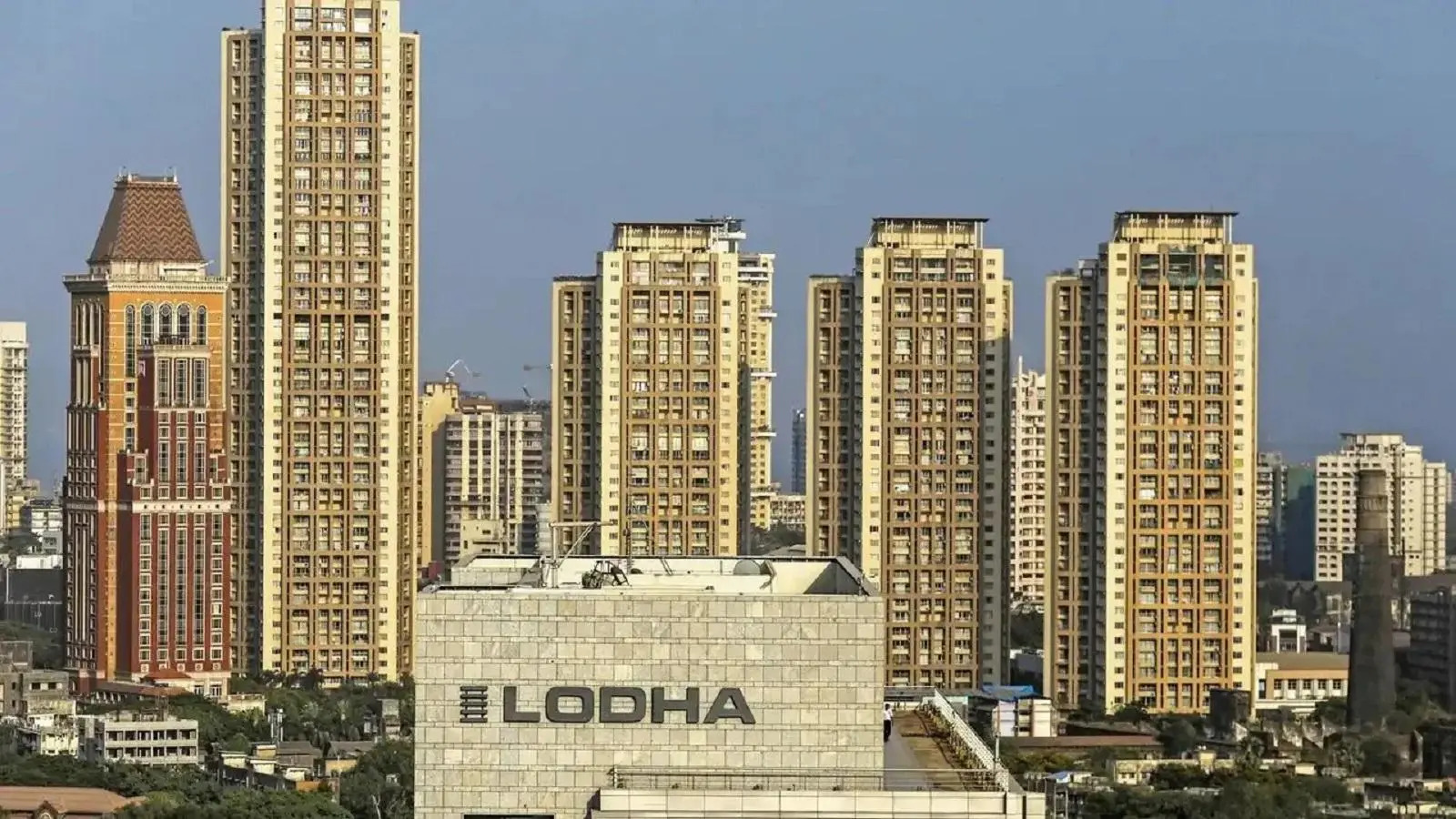
In a significant move shaping Pune’s urban real estate landscape, a leading Mumbai-based developer has acquired an 80 per cent stake in a local property firm for nearly ₹294 crore. The transaction positions the local firm as a subsidiary, expanding the buyer’s footprint in Pune while signalling increased investment in western India’s rapidly urbanising regions. Analysts note that such consolidation reflects a trend of large developers targeting smaller, regionally rooted players to accelerate project pipelines.
The Pune-based company, now majority-owned, specialises in residential and mixed-use development within the city’s expanding peripheries. With Pune emerging as a high-demand residential market due to IT, manufacturing, and education hubs, the acquisition is likely to influence local housing supply dynamics. Urban planners highlight that absorption of smaller firms by larger corporates often reshapes project scales, land use intensity, and design standards, potentially impacting traffic, green cover, and inclusive housing availability.
The acquiring developer has been active in multiple urban centres, including Mumbai, Bengaluru, and Delhi-NCR, and has recently intensified its land acquisition strategy to secure parcels for residential and integrated township projects. In the preceding quarter, it added properties across key metropolitan regions with estimated potential sales exceeding ₹34,000 crore. Such strategic land consolidation demonstrates an intent to create sizeable, long-term development pipelines while responding to growing urban housing demands. Financially, the company has maintained steady profitability amid sectoral challenges. Industry experts suggest that acquisitions like these are both defensive and growth-oriented allowing established developers to strengthen regional presence while smaller firms gain capital and operational scale. For Pune, this trend underscores the city’s attractiveness to major real estate players, driven by rising demand for organised housing, commercial spaces, and infrastructure-aligned developments.
However, urban analysts emphasise that large-scale acquisitions in rapidly expanding cities require careful planning to ensure sustainable outcomes. The integration of smaller firms into larger operations can strain local infrastructure unless developments incorporate climate-resilient design, equitable public amenities, and inclusive residential planning. Observers note that the real impact will depend on whether forthcoming projects balance profitability with long-term urban sustainability. As Pune continues to grow as a secondary metropolitan hub, such transactions illustrate how investment patterns are shaping not only the real estate market but also urban form, land use, and socio-environmental outcomes. Monitoring how these consolidated entities execute development projects will be critical for ensuring the city’s growth remains equitable, environmentally responsible, and aligned with emerging urban policy frameworks.