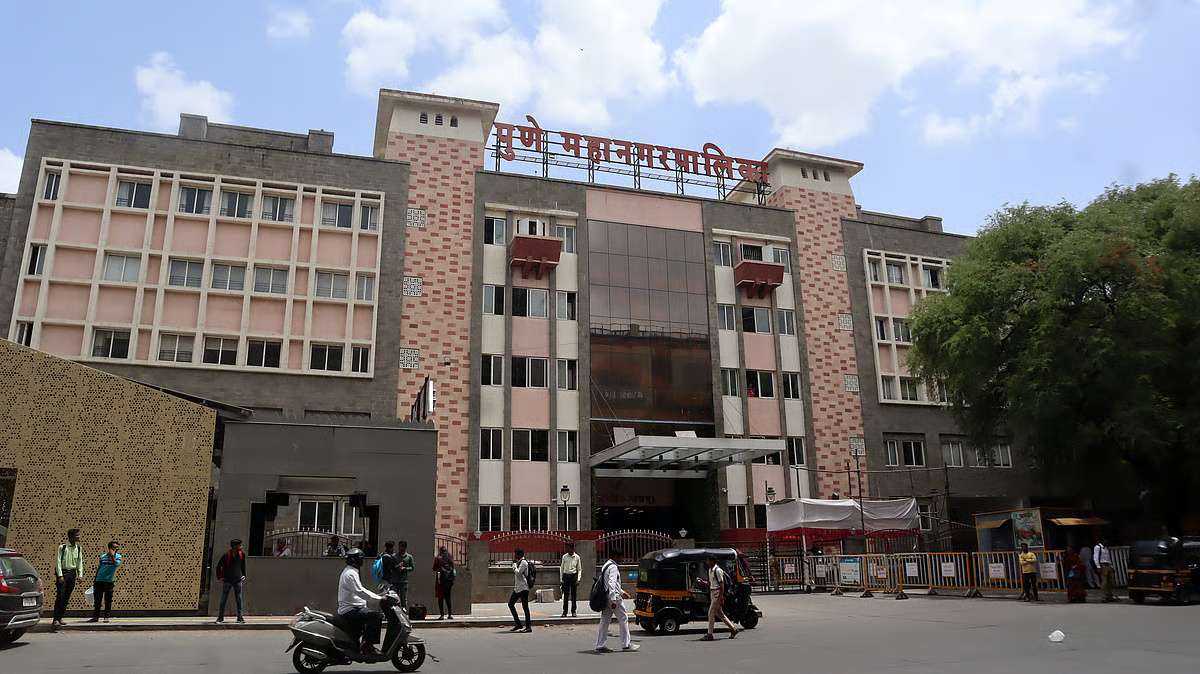
Pune’s civic administration has initiated a significant upgrade of its urban road network, outlining plans to develop 19 road and bridge projects across key growth corridors under the Public-Private Partnership (PPP) model. Valued at approximately ₹982 crore, the programme is designed to ease congestion, enhance last-mile connectivity, and support more inclusive and sustainable mobility as the city continues to expand.
The initiative covers nearly 37 km of new and improved road length in neighbourhoods such as Kharadi, Mundhwa, Lohegaon, Kondhwa, Baner, Bavdhan and Katraj—areas that have experienced rapid residential and commercial growth over the past decade. According to civic officials, the PPP model is expected to help accelerate project delivery while reducing the financial burden on municipal budgets. A senior civic official said that the recent internal review of the projects reaffirmed the administration’s intention to prioritise corridors where commuting pressure remains high, especially those connecting emerging business districts and dense residential clusters. The official added that around 12 km of the proposed works had already been completed, with the remaining stretches progressing through various stages of planning and construction.
The projects include a combination of concrete road development, footpath expansion, rainwater drainage lines, street lighting, and safety infrastructure—elements essential for building more equitable public spaces. Several of the proposed roads fall along peri-urban stretches that lack continuous pavements and safe pedestrian access, an issue highlighted repeatedly by mobility experts advocating for people-centric street planning. Among the most prominent corridors identified for PPP execution are the Shivne–Kharadi River Road, an extended R.P. Road between Wagholi and Wadki, service roads parallel to the Wakad–Katraj Bypass, and bypass links to ease congestion around Mundhwa Chowk. These links are expected to improve inter-neighbourhood connectivity and support smoother public transport operations.
The civic body previously approved a policy framework allowing road development under PPP in exchange for credit notes—a mechanism that permits private entities to recover the cost of public projects through development incentives. This policy, officials say, aims to streamline processes and attract private investment into essential infrastructure. During the recent review, senior administrators instructed the Road Department to expedite land acquisition using Transferable Development Rights (TDR), while also directing officials to coordinate with other departments and engage more proactively with affected landowners. The civic leadership also emphasised the need to digitise credit note management to improve transparency and accountability.
Detailed Project Reports for all proposed corridors will be prepared shortly, after which the administration will decide whether each project will proceed under PPP or through an alternate execution model. Mobility analysts note that if executed effectively, the initiative could help create safer, low-carbon, and well-lit streets that encourage walking and cycling, aligning with Pune’s broader sustainability goals.
Pune Launches Rs 982 Crore Plan To Build 19 New Roads And Bridges