


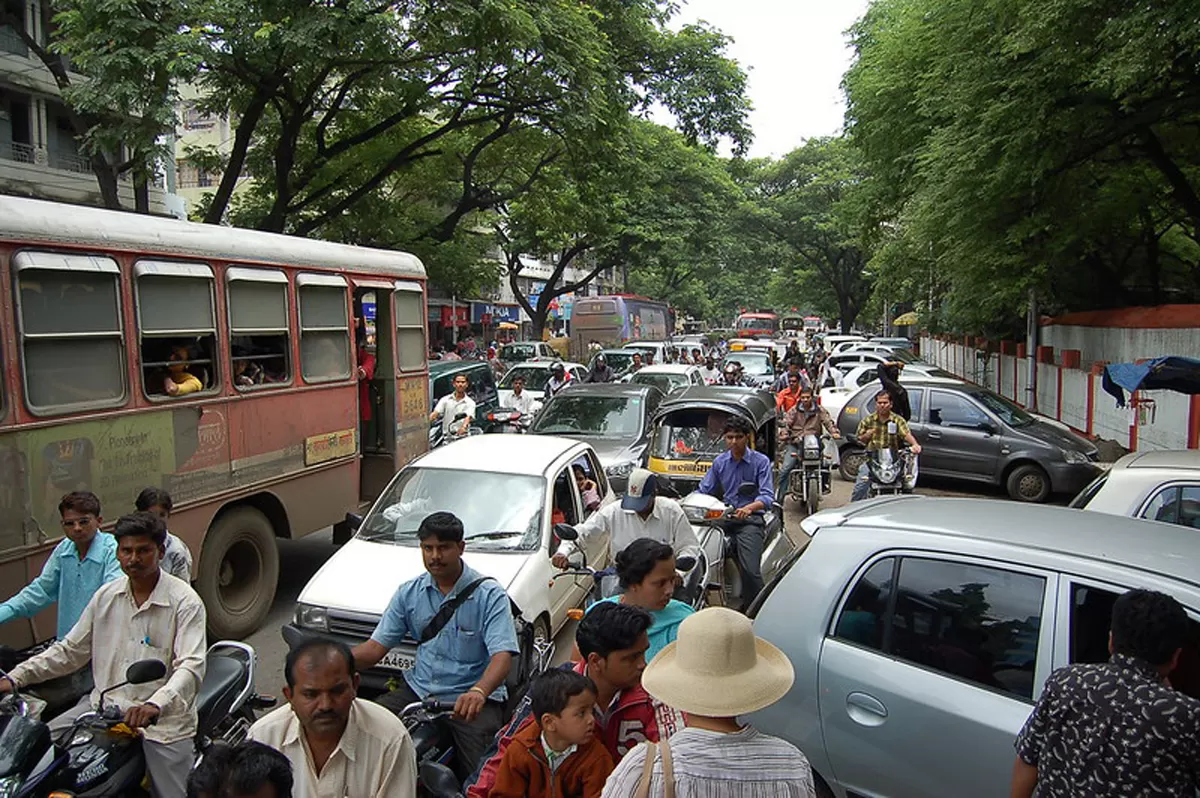
Pune, a rapidly expanding urban centre, is taking decisive action to confront its escalating traffic congestion through a comprehensive plan developed in 2024. Minister of State for Urban Development Madhuri Misal confirmed in the Legislative Assembly that the Pune Municipal Corporation (PMC) and city traffic police are making concerted efforts to implement this multi-pronged strategy. This strategic intervention is pivotal for transforming Pune’s mobility landscape, aiming to cultivate a more efficient, eco-friendly, and equitable urban environment essential for sustainable growth in India.
The urgency of this initiative is underscored by Pune’s staggering vehicular population, which, according to the Regional Transport Office, currently exceeds 40.4 lakh vehicles on its roads. To tackle immediate congestion points, particularly in cantonment areas, a series of tactical measures are already underway. These include designating no-parking and no-halting zones, upgrading existing signal systems, and installing advanced smart signals and CCTV cameras as part of the broader Smart City Project. These interventions are designed to streamline daily traffic flow, reduce frustrating bottlenecks, and incrementally improve the commuting experience for the city’s diverse population.
Looking towards Pune’s projected growth until 2054, the comprehensive plan outlines the robust development of alternative transport systems crucial for long-term urban sustainability. Significant infrastructure projects such as ring roads, bypasses, flyovers, and the expansion of metro services are central to this vision. This multi-modal approach is fundamental to reducing the city’s reliance on private vehicles, thereby directly contributing to lower carbon emissions and fostering a cleaner, less polluted urban atmosphere. By prioritising mass transit and efficient road networks, Pune aims to carve a pathway towards becoming a leading example of a zero-net carbon city in India.
Operational efficiency forms another critical pillar of the plan, with regular inter-departmental meetings being held between the PMC, traffic police, and other related agencies. These collaborations focus on refining traffic lights and junctions, optimising traffic islands and road dividers, ensuring clear lane markings and zebra crossings, and strategically relocating bus stops that impede flow. Crucially, the traffic plan is committed to an inclusive development model, actively seeking suggestions and objections from a wide array of stakeholders and consulting local representatives. This emphasis on public participation ensures that the solutions are gender-neutral and equitable, reflecting the diverse needs of all citizens, from daily commuters to vulnerable pedestrians.
Pune’s comprehensive traffic plan transcends mere congestion management; it serves as a foundational blueprint for building a truly smart, eco-friendly, and socially equitable urban future. By strategically investing in integrated transport systems, leveraging smart city technologies, and embedding public engagement at its core, the city is not only addressing its immediate mobility challenges but also shaping a more sustainable trajectory. This proactive approach promises enhanced quality of life for all residents, reduced environmental impact from transportation, and a more accessible urban landscape, solidifying Pune’s position as a forward-thinking, resilient city poised for future prosperity.
Also Read: Centre Commits ₹2 Lakh Crore to Transform Jharkhand’s Infrastructure
