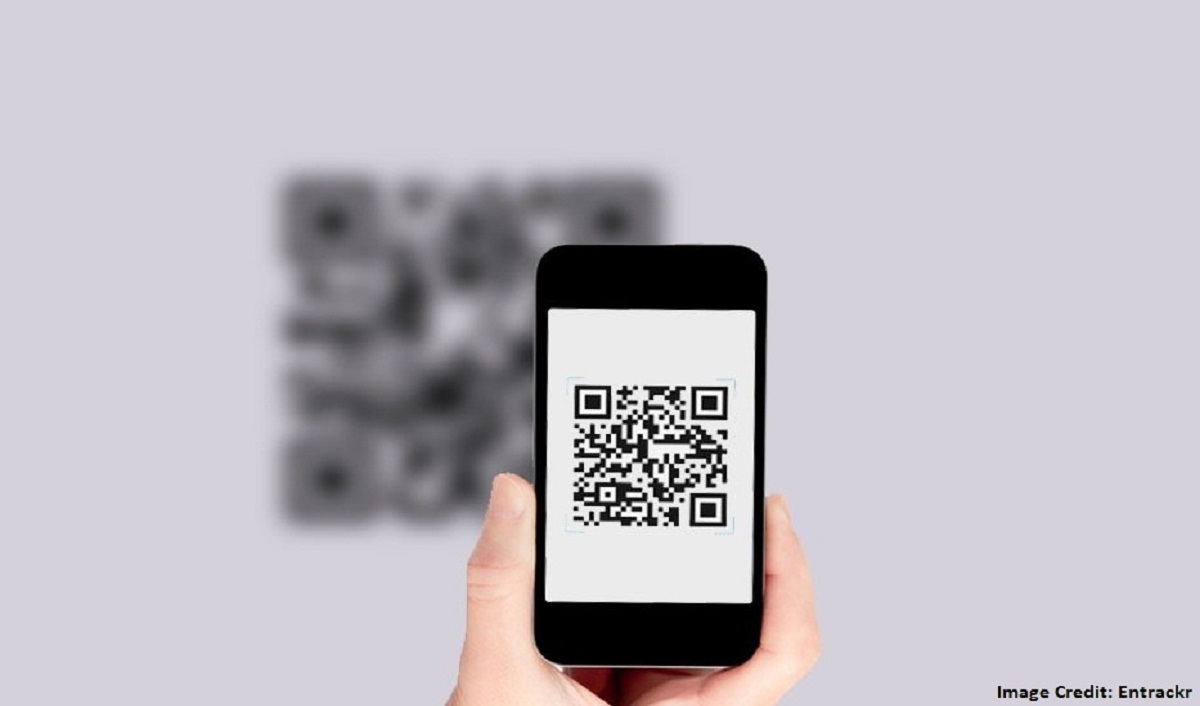
Pune’s civic authorities have introduced a digital channel allowing slum residents to pay service tax through QR codes, marking a notable step towards streamlining municipal revenue collection and promoting transparency. The initiative enables citizens to settle dues directly from mobile devices, reducing dependence on in-person visits and enhancing accessibility for low-income communities. Officials describe the measure as part of a broader push to digitise urban services and integrate financial technology into local governance.
Under the new system, service tax bills issued to slum dwellers carry QR codes, which can be scanned using smartphones. Once scanned, users can verify their details and complete payment via multiple digital options, including UPI, credit or debit cards, net banking, and digital wallets. The municipal administration has partnered with community networks, particularly women’s self-help groups linked to city livelihood centres, to ensure bill distribution reaches all eligible residents, reinforcing inclusion and gender-sensitive engagement.
Urban planners and civic finance analysts suggest that digitisation of municipal tax collection has multiple implications. Firstly, it addresses long-standing challenges of manual billing, such as delays, errors, and cash handling risks, while expanding the municipality’s ability to track revenue flows accurately. Secondly, it aligns with emerging trends in smart and climate-resilient cities, where digital services reduce travel requirements, lower carbon footprints, and foster efficient urban governance. Economic observers note that easier access to online payment mechanisms may improve revenue predictability for municipal bodies, enabling better planning for slum redevelopment, sanitation projects, and infrastructure upgrades. The initiative also highlights a growing intersection between technology adoption and social equity, as local authorities leverage digital platforms to reach marginalised communities and ensure timely service delivery.
However, experts caution that adoption depends on digital literacy and access to smartphones or internet connectivity, which remain uneven across low-income urban populations. Municipal authorities acknowledge this challenge and emphasise continued support through community networks and digital awareness campaigns. The move to QR-enabled tax payments reflects a broader shift towards people-first, digitally empowered urban management in Pune. By combining financial technology with inclusive service delivery, city authorities aim to reduce administrative bottlenecks, strengthen revenue systems, and make civic processes more transparent. For residents, the facility offers a convenient, time-saving alternative to traditional payment channels, while contributing to efficient resource allocation for slum rehabilitation and local infrastructure.