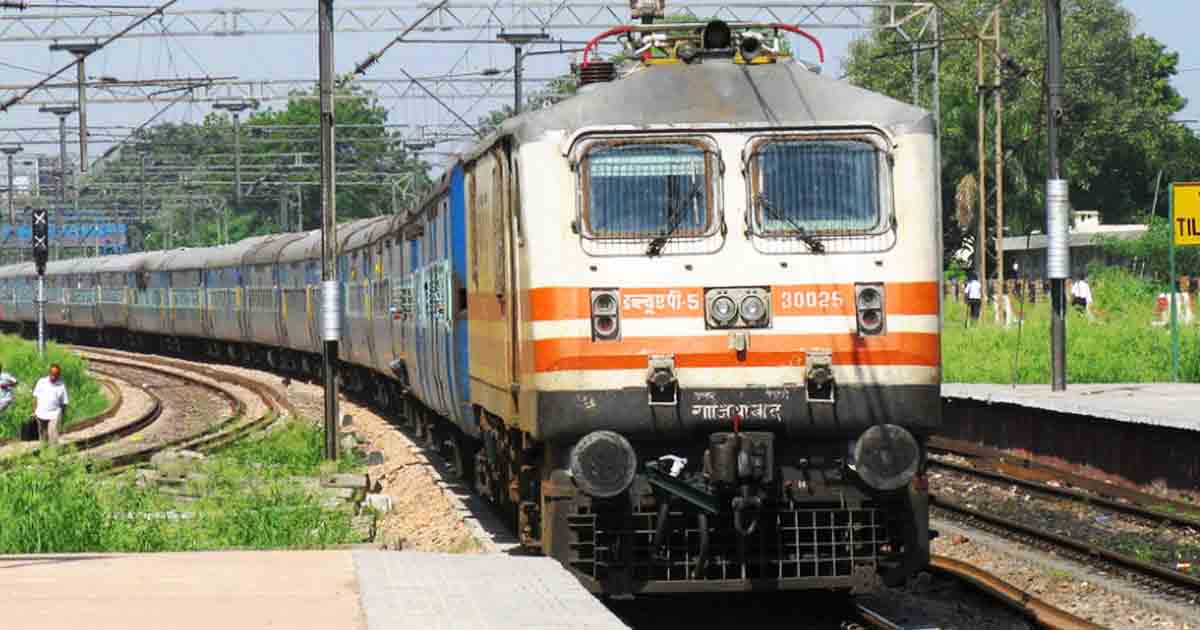
The decision to extend a weekly rail connection between Pune and Jabalpur until the end of the decade signals more than just timetable continuity; it reflects how long-distance rail is being repositioned as a stable pillar of regional mobility across central and western India. Central Railway has approved the continued operation of the Pune Jabalpur special train service through December 2030, reinforcing rail’s role in supporting economic ties, labour movement, and lower-carbon intercity travel.
The service, operating on a train-on-demand model, links Maharashtra’s education and manufacturing hub with a fast-growing administrative and defence centre in Madhya Pradesh. For Pune, where population growth continues to spill beyond the metropolitan core, sustained rail connectivity is increasingly critical to managing mobility without deepening road congestion or emissions. Urban planners note that predictable long-haul rail options help cities absorb migration flows while easing pressure on highways already stretched by freight and private vehicles. According to railway officials familiar with operations, the long extension period reflects consistent passenger uptake rather than seasonal demand. Unlike short-term special trains that address festival rushes, this service has evolved into a regular mobility corridor for students, defence personnel, construction workers, and small traders. Its continuation under special fare structures allows Indian Railways to flex capacity while testing demand patterns before converting routes into permanent express services.
From an urban development perspective, the Pune Jabalpur special train strengthens economic integration between Tier-1 and Tier-2 cities. Jabalpur’s expanding institutional base spanning education, healthcare, and public administration has seen increased travel to Pune for employment and training. At the same time, Pune’s real estate and industrial ecosystems benefit from smoother access to central India, particularly as logistics and supply chains rebalance beyond coastal corridors. Rail economists point out that extending passenger services over long horizons also improves planning certainty for infrastructure investment. Stable routes allow stations, last-mile transit, and surrounding commercial zones to evolve organically, rather than responding to unpredictable service windows. This is especially relevant for Pune, where transit-oriented development around rail and metro nodes is emerging as a policy priority to limit car dependency.
Importantly, the continued reliance on rail aligns with India’s broader climate commitments. Long-distance trains remain among the most energy-efficient modes of mass transport, offering cities a practical pathway to reduce per-capita travel emissions without restricting mobility. As fuel prices fluctuate and climate risks intensify, resilient rail corridors provide a social safety net for affordable movement across regions. Bookings for the extended Pune Jabalpur special train will open from early February 2026, with services continuing on existing schedules and stoppages. While operational details remain unchanged, the extension itself underscores a larger shift: railways are no longer just reacting to demand, but shaping how cities stay connected in a low-carbon, inclusive future.