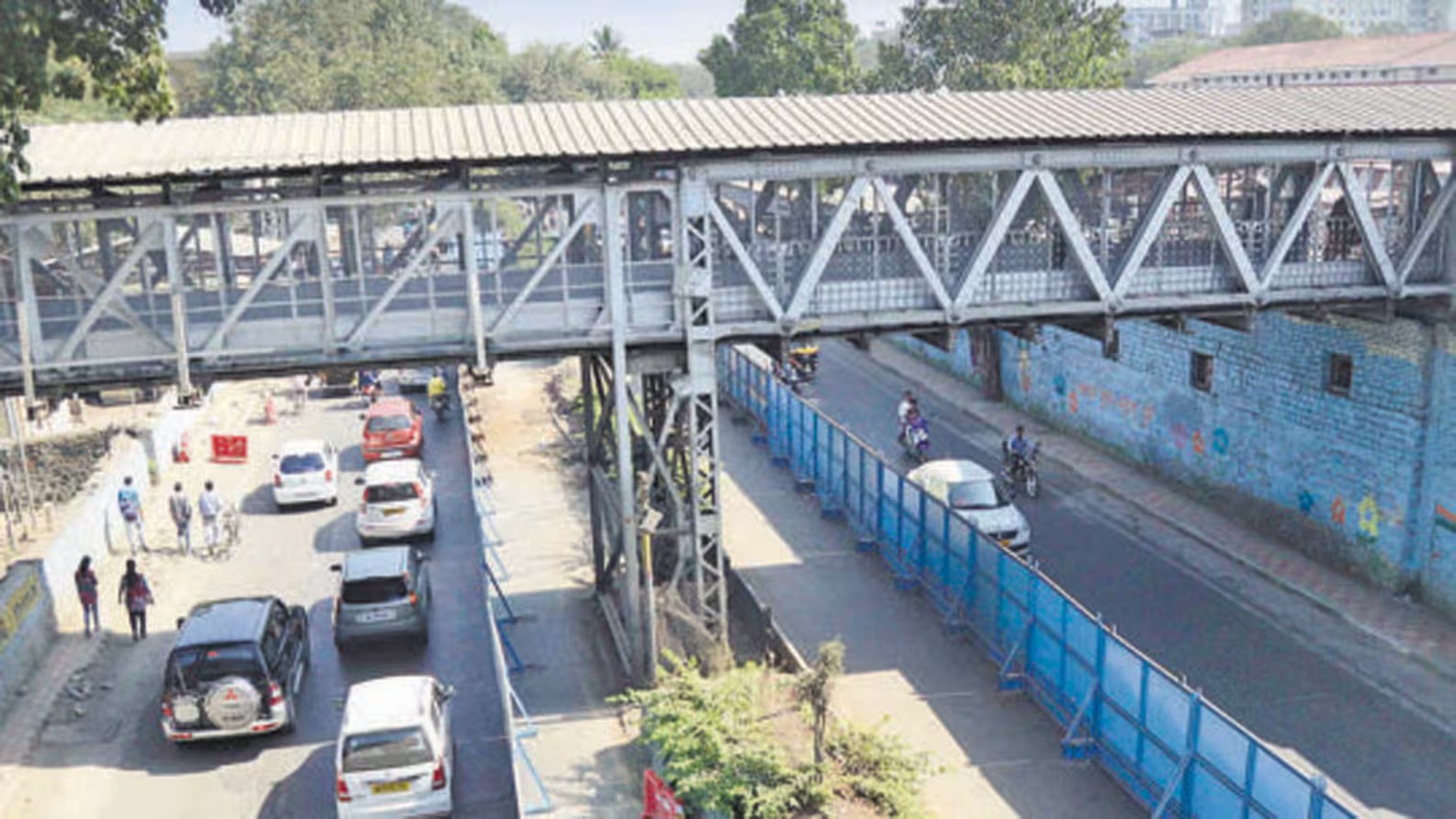
Pune Infrastructure Push Focuses on Key Rail Bridge
Pune’s urban mobility network is approaching a critical test as the city administration accelerates work on a key east–west road bridge, aiming to complete major structural components before the arrival of the monsoon. The project, located near one of Pune’s busiest rail corridors, has become emblematic of the challenges Indian cities face in upgrading ageing infrastructure while managing daily commuter disruption.
The new Sadhu Vaswani Bridge is being built to replace an older structure that had reached the end of its functional life. Designed with double the carrying capacity of its predecessor, the four-lane bridge is expected to play a decisive role in easing congestion between the city’s central business district and high-density residential zones around Koregaon Park. Urban planners note that the corridor supports not only private vehicles but also bus routes, emergency services and last-mile freight movement. However, progress has been slower than initially projected. Civic officials acknowledge that complex engineering work beneath active railway tracks including the relocation and protection of a major water pipeline created unforeseen constraints. These issues required revisions to construction sequencing and additional technical clearances, pushing the timeline beyond earlier estimates.
Despite these delays, municipal engineers indicate that non-railway components of the bridge have continued in parallel. Coordination with railway authorities is now entering a decisive phase, with span installation over the tracks expected to define whether the project meets its pre-monsoon target for substantial completion. For commuters and local residents, the stakes are high. Temporary diversions have reshaped daily travel patterns for nearly two years, increasing travel time, fuel use and road safety risks on surrounding streets. Transport experts point out that prolonged detours often have secondary impacts, including higher emissions from idling vehicles and increased pressure on neighbourhood roads not designed for heavy traffic.
From a broader urban development lens, the Sadhu Vaswani Bridge is also a test case for climate-resilient infrastructure delivery. Completing structurally vulnerable work ahead of heavy rainfall reduces the risk of construction damage, cost overruns and prolonged service disruption. Urban economists add that timely delivery of transport links has a direct bearing on commercial productivity and real estate stability in mixed-use districts such as Koregaon Park. Looking ahead, planners stress the importance of better synchronisation between civic agencies, utilities and rail authorities for future projects. As Pune continues to densify and redevelop critical corridors, infrastructure upgrades like the Sadhu Vaswani Bridge will increasingly shape how inclusive, low-emission and economically efficient the city’s growth can be. The months leading into the monsoon may determine whether this project becomes a model of course correction or another cautionary tale in urban execution.