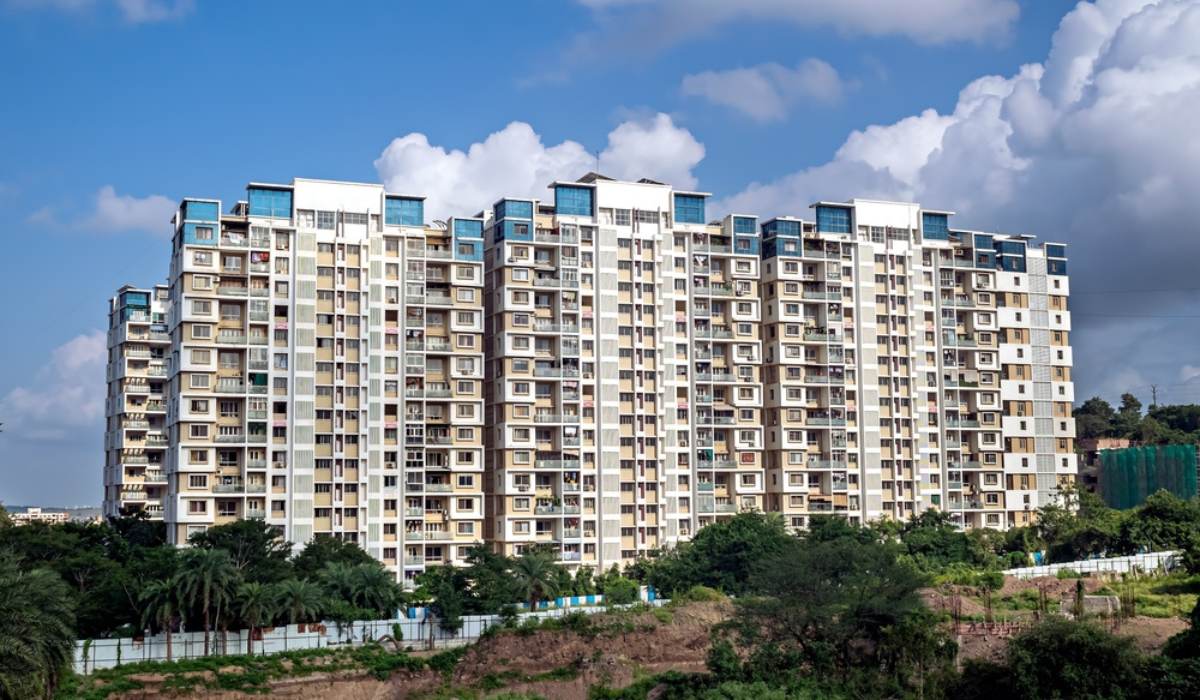
Pune Housing Society Body Dissolved Over Records Dispute
Regulators in Pune have dissolved the managing committee of a residential cooperative in the city’s Lohegaon area after it repeatedly refused a member access to official records, a decision that underscores growing scrutiny over governance practices within urban housing societies.
The action followed a complaint filed by a resident who alleged that the society’s office-bearers had declined to share financial and administrative documents despite multiple requests. After reviewing the matter, officials from the cooperative department determined that the managing committee had failed to comply with statutory obligations under Maharashtra’s cooperative housing regulations. The committee, which had 18 members, has now been formally disbanded. Authorities said the committee had been asked to provide access to documents such as audit reports, statements of accounts and income-expenditure records. However, the member’s requests reportedly went unanswered even after reminders and directives from the department.
Housing governance experts note that the episode highlights a recurring challenge across India’s rapidly expanding urban housing sector: ensuring transparency and accountability in cooperative societies that manage thousands of residential complexes. In cities like Pune, where suburban neighbourhoods such as Lohegaon have witnessed rapid residential growth linked to airport expansion and IT-sector employment, cooperative housing societies play a crucial role in managing shared infrastructure, finances and maintenance services.Under Maharashtra’s cooperative laws, society members are entitled to inspect key documents relating to finances and governance. These provisions were designed to ensure democratic functioning in member-owned housing bodies and prevent misuse of funds collected through maintenance charges and other contributions.
Urban planners say enforcement actions such as this one are increasingly significant as apartment living becomes the dominant housing format in many Indian cities. With rising populations in large housing complexes, managing committees are responsible for decisions ranging from infrastructure upkeep and safety compliance to waste management and energy use within residential communities.The dissolution of the Lohegaon committee also reflects a broader effort by regulators to reinforce institutional accountability in cooperative housing bodies. When committees fail to follow statutory requirements, authorities can intervene by dissolving the elected body and appointing an administrator until fresh elections are conducted.
Governance lapses in housing societies can affect residents in multiple ways — from disputes over maintenance spending to delays in infrastructure upgrades or environmental compliance measures. As Indian cities continue to densify, transparent management of residential communities is increasingly seen as a foundation for sustainable and well-functioning urban neighbourhoods.Officials indicate that the next step will involve appointing an interim administrator to oversee the society’s affairs and restore compliance with cooperative regulations. Fresh elections for a new managing committee are expected after administrative oversight stabilises operations.
For residents across expanding suburbs like Lohegaon, the case serves as a reminder that cooperative housing institutions — which collectively govern large segments of urban living — must operate with openness, accountability and clear adherence to statutory rules.