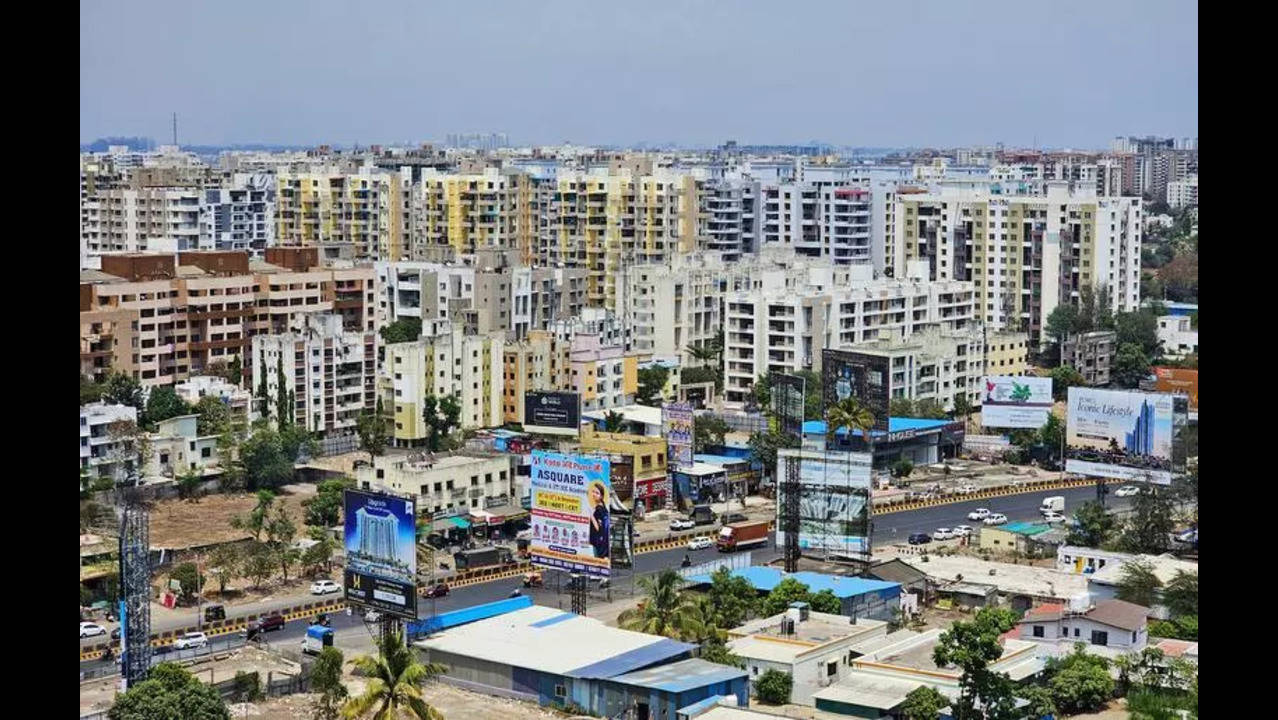
The Pimpri Chinchwad Municipal Corporation (PCMC) has issued notices to 184 housing societies for failing to operate their mandated sewage treatment plants (STPs), warning of stringent action including disconnection of water supply for non-compliance.
Under the Unified Development Control and Promotion Regulations (UDCPR), all residential projects with a built-up area of over 20,000 square metres are required to install and maintain operational STPs. These systems treat wastewater and support reuse for non-potable needs such as gardening and toilet flushing, promoting sustainability. Of the 456 societies in Pimpri Chinchwad that fall under this regulation, 264 currently have functional STPs. However, 192 have either inactive or never-activated plants. In a phased enforcement effort, PCMC has already served initial notices to 84 housing societies, followed by second warnings to 50 others. The latest action includes final notices to another 50 societies. “The civic body is serious about enforcing environmental regulations. Non-functional STPs are a threat to public health and resource sustainability,” said a senior PCMC official. The corporation has roped in a private agency to carry out regular inspections to ensure STPs are active and meet treatment standards.
Amid ongoing summer water shortages, the reuse of treated water has become more critical. Since 2019, many societies in the area receive municipal water only on alternate days, pushing them towards costly private tanker services. Despite the regulations, several societies have raised concerns over faulty STPs. Residents claim that many developers installed substandard systems that were never fully operational. They argue that completion certificates were granted by the PCMC without verifying the functionality of these treatment plants. “Why should residents pay the price for poor construction and inadequate inspection? The onus lies with the builders and approving officials,” said a representative from the Pimpri Chinchwad Cooperative Housing Societies Federation. The group has urged the PCMC to take strict action against errant developers and to reform its inspection and approval protocols.
The issue underscores the growing challenge of managing urban infrastructure amid rapid real estate expansion. The PCMC’s push for STP compliance is part of a broader strategy to enforce sustainability norms and improve civic services in one of Maharashtra’s fastest-growing cities. As the deadline for compliance draws closer, affected societies will have to choose between upgrading their STPs or facing potential penalties, including loss of essential services.