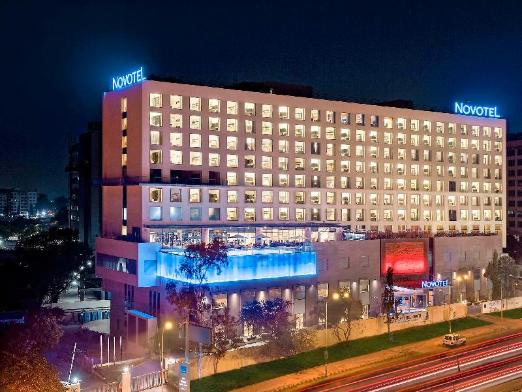
A premium hotel in Pune’s Koregaon Park has introduced a new weekly rooftop dining format, signalling how the city’s hospitality sector is recalibrating food and beverage offerings to align with changing urban lifestyles and the growing night-time economy. The initiative, launched at an existing rooftop venue, blends live music with open-flame cooking and curated beverages, positioning itself as a recurring Friday evening experience rather than a one-off event. Industry observers say the move reflects a broader shift across Indian cities, where hotels are increasingly repurposing underutilised rooftop spaces into multi-use social environments. As dense urban neighbourhoods face constraints on land and nightlife zoning, rooftops have emerged as flexible assets that can host entertainment while remaining within existing built footprints.
The Pune launch combined live instrumental music with DJ-led programming alongside a grill-centric menu prepared in an open kitchen setting. According to hospitality analysts, such formats are designed to increase dwell time and non-room revenue, particularly as corporate travel recovery remains uneven and leisure demand concentrates around weekends. Senior hotel executives have indicated that food-led experiences will be a key driver of growth through 2026, especially in cities like Pune where a younger professional population is seeking social spaces that blend dining, music, and views without the scale or congestion of traditional nightlife districts. The weekly format allows operators to test demand while managing operational costs and energy use more predictably. Urban planners note that experience-based dining models also intersect with sustainability goals. Rooftop venues reduce the need for new construction, while controlled open-flame cooking and limited operating hours help manage emissions, noise, and waste. When paired with responsible sourcing and energy-efficient equipment, such formats can align with city-level climate resilience objectives without sacrificing economic viability.
The food programme at the launch focused on grilled dishes inspired by multiple regional cuisines, alongside cocktails infused with smoke and herbs. While menus will rotate, the emphasis remains on cooking techniques that prioritise flavour through heat rather than heavy processing, a trend gaining traction among urban consumers. The event drew a mix of local cultural figures, digital creators, and city professionals, underscoring how hospitality spaces are increasingly functioning as informal urban commons places where work, leisure, and social interaction intersect after office hours.
For Pune, where debates around nightlife regulation, public safety, and economic vibrancy continue, such controlled, hotel-led formats may offer a middle ground. They extend evening activity without placing additional strain on civic infrastructure, while supporting jobs across food services, entertainment, and supply chains. As cities compete to retain talent and investment, the evolution of dining-led experiences will likely play a quiet but significant role in shaping how urban residents use space after dark responsibly, inclusively, and within the limits of existing urban form.