


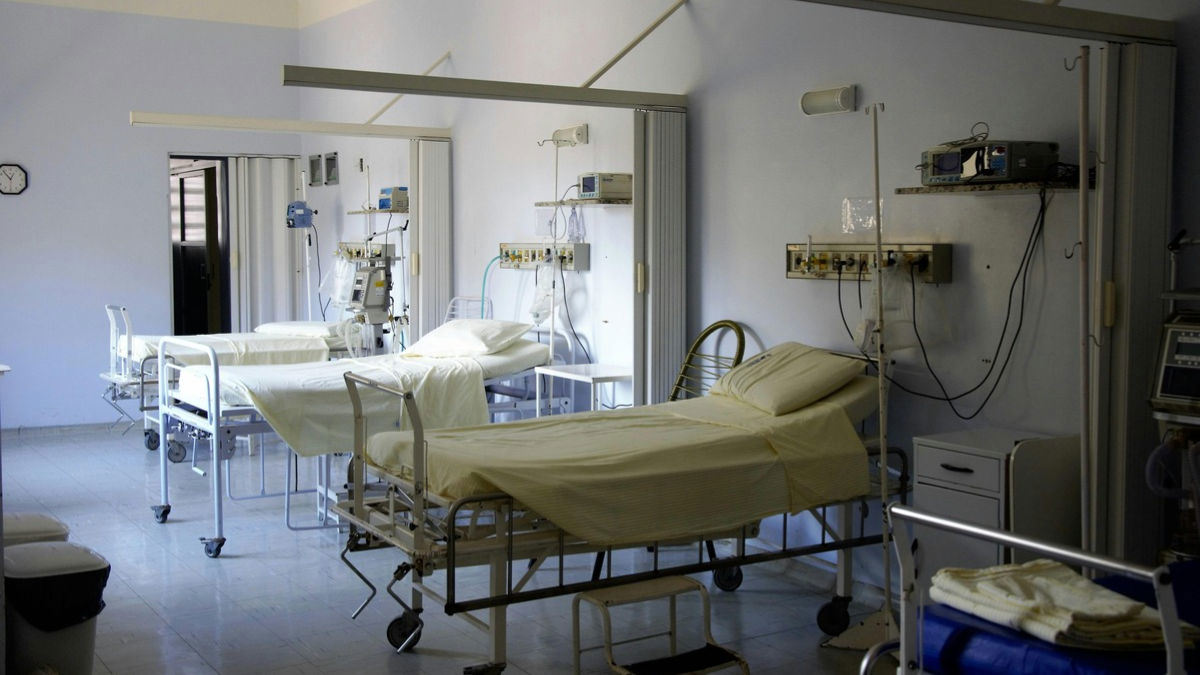
Pune hospitals struggle as Guillain-Barré cases rise, ICU beds in crisis
Rising Guillain-Barré Cases Push Pune’s Hospitals to Breaking Point
Pune is facing a severe healthcare crisis as public hospitals struggle to manage a surge in Guillain-Barré Syndrome (GBS) cases, leading to an acute shortage of ICU beds and ventilator support. Since early January, 205 cases have been recorded, with over 50 patients requiring intensive care and 20 placed on ventilators. Government hospitals, particularly Sassoon General Hospital and Navale Hospital, are bearing the brunt of the outbreak, as families unable to afford private treatment rely on state-funded facilities. While the Mahatma Jyotirao Phule Jan Arogya Yojana (MJPJAY) provides free IVIG therapy and plasmapheresis, the rising patient load is overwhelming hospital capacities. Doctors warn that the extended ICU stays required for GBS treatment—often lasting weeks—are pushing Pune’s public healthcare infrastructure to the brink.
Public Hospitals at Capacity as Private Care Becomes Unaffordable
The rising financial burden of GBS treatment, which can cost anywhere between ₹5-10 lakh, has driven many patients away from private hospitals and into already strained public facilities. A senior official at Navale Hospital, which first detected an unusual increase in cases, revealed that multiple critical patients had to be turned away due to ICU shortages. At present, the hospital has six GBS patients under treatment, five in intensive care, and three in critical condition. Similarly, Sassoon General Hospital—which has only 39 ICU beds—is witnessing a rapidly diminishing capacity, with seven GBS patients currently admitted alongside other critical cases. Medical experts emphasise that Pune’s healthcare system lacks the robust municipal infrastructure seen in Mumbai, making resource constraints even more severe. Officials fear that any further increase in cases could trigger an emergency-level crisis, requiring urgent intervention.
Healthcare Sustainability and the Need for Systemic Reinforcement
The crisis highlights an urgent need for sustainable healthcare infrastructure in Pune, especially as outbreaks of severe neurological disorders like GBS test the limits of urban public health systems. Experts point to Maharashtra’s uneven healthcare distribution, where smaller cities struggle with ICU shortages, forcing patients to seek treatment in neighbouring metro regions. The ₹2.6 lakh coverage cap under MJPJAY is also proving insufficient, leaving many families financially vulnerable as additional ICU expenses pile up. Without immediate expansion of critical care units and policy-driven reinforcement of public hospital resources, future health crises could further destabilise the system. Pune’s municipal authorities are now exploring emergency expansion measures, but without long-term investment in public healthcare, such short-term fixes may not suffice.
The Civic and Urban Healthcare Perspective: A Wake-Up Call for Pune
The Guillain-Barré crisis serves as a stark reminder of the growing gap in Pune’s urban healthcare capabilities, exposing vulnerabilities that extend beyond this single outbreak. As the city expands, so does its demand for quality medical infrastructure, but public funding and resource allocation remain inadequate. Civic experts stress that municipal hospitals must be equipped with additional ICU beds, trained specialists, and emergency response plans to handle sudden health crises. Comparisons with Mumbai’s BMC hospitals, which have significantly more robust critical care facilities, underscore the urgent need for Pune to follow suit. If left unaddressed, this ICU shortage could set a dangerous precedent, affecting the city’s ability to respond to future health emergencies. The current crisis must be seen as a wake-up call, demanding long-term structural reforms in Pune’s public healthcare framework.
