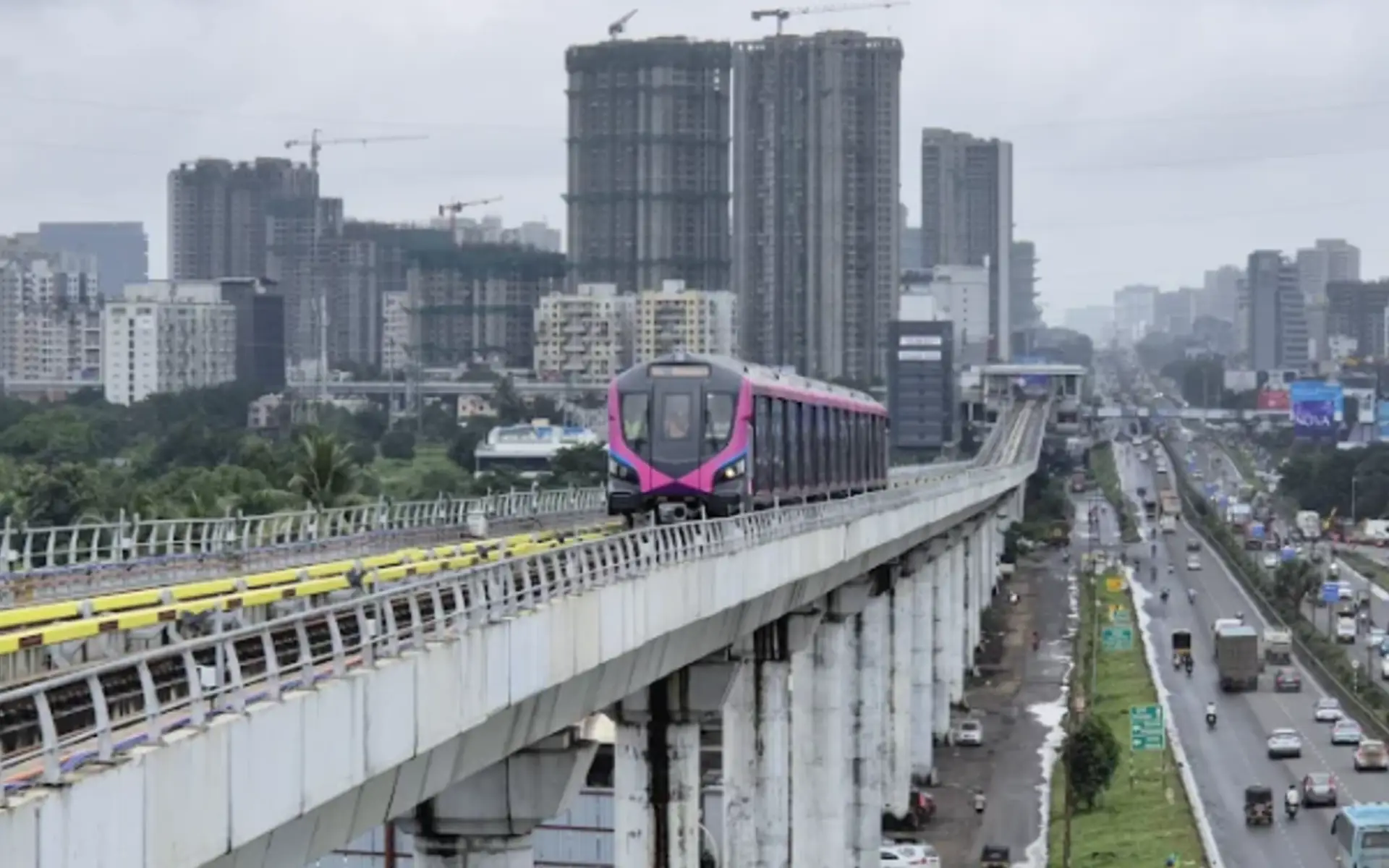
A key rapid transit link connecting Pune’s central district with its largest technology hub is approaching operational readiness, with authorities indicating that services on the Hinjewadi–Shivajinagar corridor could begin in phases from May. The development is expected to significantly reshape daily commuting patterns along one of the city’s most congested and economically vital routes.
The 23-kilometre elevated corridor, being implemented by Pune Metropolitan Region Development Authority in partnership with Pune IT City Metro Rail Limited, will eventually connect Shivajinagar an established transport interchange with Hinjewadi’s Rajiv Gandhi Infotech Park. The corridor is designed with 23 stations, positioning it as a high-frequency urban transit spine for the western IT belt. Officials suggest that an initial operational segment of around 11 kilometres is in advanced stages of readiness, while the remaining stretch could follow within weeks, subject to safety clearances and system integration. Trial operations have already commenced on select sections, indicating a transition from construction to commissioning.
The Hinjewadi Shivajinagar Metro arrives at a time when Pune’s road-based mobility infrastructure is under increasing strain. The Hinjewadi corridor, in particular, experiences peak-hour congestion due to a concentration of IT offices, residential townships, and limited high-capacity transit alternatives. Urban mobility experts believe that a reliable rail-based system could reduce travel unpredictability and improve workforce productivity in the region. Beyond commuter convenience, the project is expected to influence land use and real estate dynamics. Improved accessibility typically drives higher demand for residential and commercial developments near transit nodes, especially in emerging micro-markets between Aundh, Baner, and Hinjewadi. However, planners caution that transit-oriented development must be carefully regulated to avoid unplanned densification and pressure on civic infrastructure.
The Hinjewadi Shivajinagar Metro is also part of a broader strategy to expand Pune’s mass transit footprint. With multiple lines under development across Pune and Pimpri-Chinchwad, the metropolitan region is moving towards a networked system that could exceed 100 kilometres in the coming years. Long-term plans envision a significantly larger grid that integrates metro, bus, and intermediate transport modes. Sustainability considerations are central to this expansion. Electrified metro systems are seen as critical to reducing transport-related emissions in fast-growing cities. By offering an alternative to private vehicles, the corridor could contribute to lower fuel consumption and improved urban air quality, particularly in high-density employment zones.
As the phased rollout approaches, attention will shift to last-mile connectivity, fare integration, and service reliability factors that often determine ridership success. If effectively managed, the corridor could set a precedent for aligning infrastructure investment with economic growth while supporting a more balanced and climate-conscious urban mobility system.
Pune Hinjewadi Shivajinagar Metro Phase Begins May