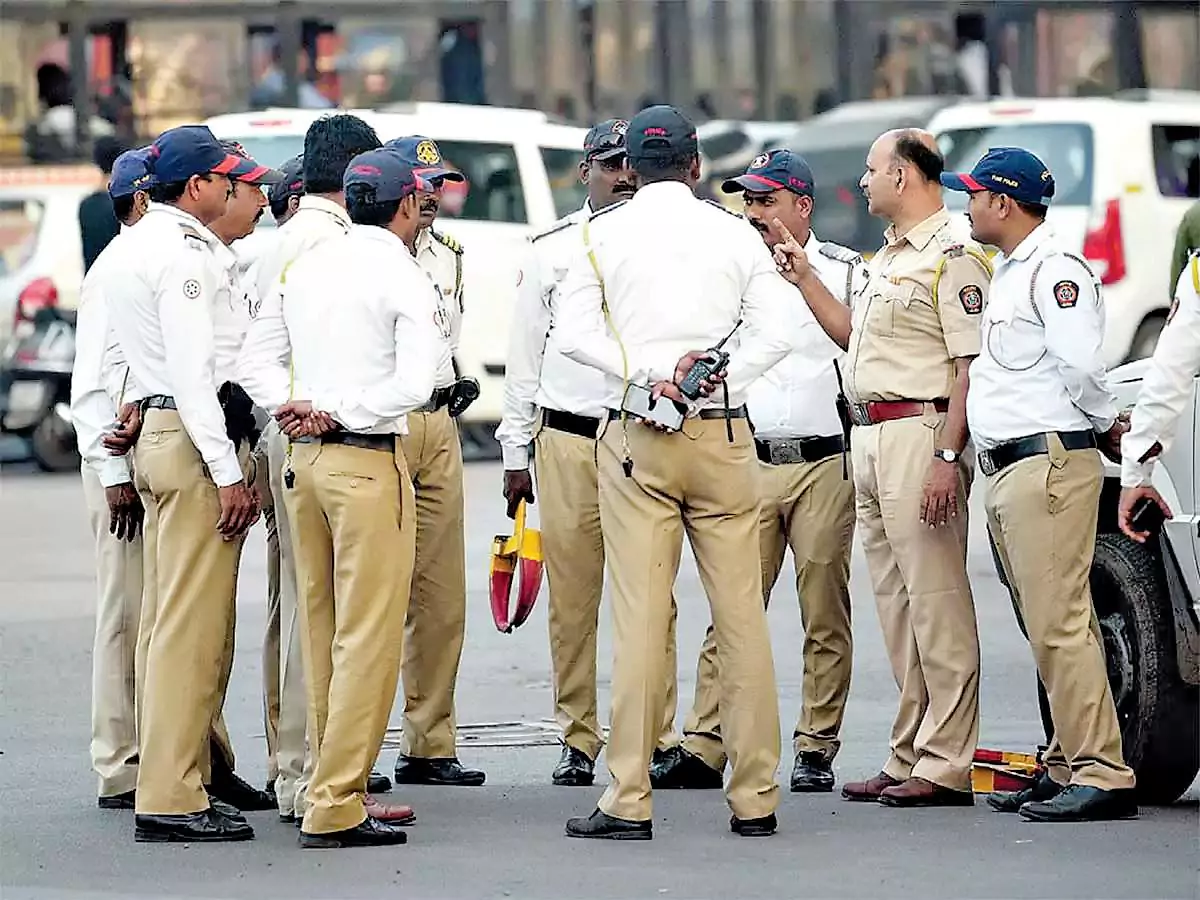
Pune Hinjawadi Traffic Police Lead Drive For Safer Roads
In Pune’s fast-growing IT hub of Hinjawadi, traffic police have gone beyond traditional enforcement to actively shape the area’s mobility network. By combining strict action against reckless driving with swift, on-ground infrastructure fixes, they are addressing long-standing congestion and safety issues. Coordinating with multiple civic bodies, the force is driving visible change transforming both the pace and quality of road improvements in one of the city’s most traffic-choked zones.
Over the past month, the Hinjawadi Traffic Division has intensified enforcement against violations that disrupt traffic and endanger lives. Heavy vehicles breaching time restrictions, wrong-side driving, signal jumping, and rash driving have been key targets. More than 30 cases have been registered under relevant sections of traffic law, signalling a zero-tolerance approach to unsafe road behaviour.However, this intervention goes beyond policing. The traffic division has actively coordinated with multiple agencies, including the metropolitan development authority, industrial development body, public works department, highways authority, and local governance units. Where bureaucratic delays threatened progress, officials themselves initiated repairs and installations, expediting work that might otherwise have stalled for months.
Recent upgrades include the repainting of stop lines and zebra crossings at high-traffic junctions, barricading risky pedestrian crossings along major bypasses, filling dangerous potholes in key commercial and residential stretches, and repairing malfunctioning traffic signals. In some cases, speed breakers were added or removed to suit safety needs, while dedicated barricaded bus bays were created to ensure buses stop without obstructing traffic.Such rapid action marks a significant shift in the pace of public works in the area. Local community representatives have acknowledged that the volume and speed of progress in recent weeks outpaces years of earlier efforts. They believe the current drive has addressed at least 10% of the area’s long-standing infrastructure challenges, with clear intent to deliver more.
Senior traffic officials estimate that roughly 30% of their overall improvement plan is already in place, with ongoing daily coordination between police and civic bodies. Their focus remains on clearing bottlenecks, ensuring safer pedestrian access, and keeping traffic moving efficiently key elements for a city aspiring to sustainable, equitable, and commuter-friendly mobility.Residents and officials alike agree that while much work remains, the momentum is promising. By coupling enforcement with hands-on infrastructure problem-solving, Hinjawadi’s traffic police are setting a precedent for other high-density urban zones. The model aligns with broader goals of building cities that prioritise safety, accessibility, and environmental sustainability.