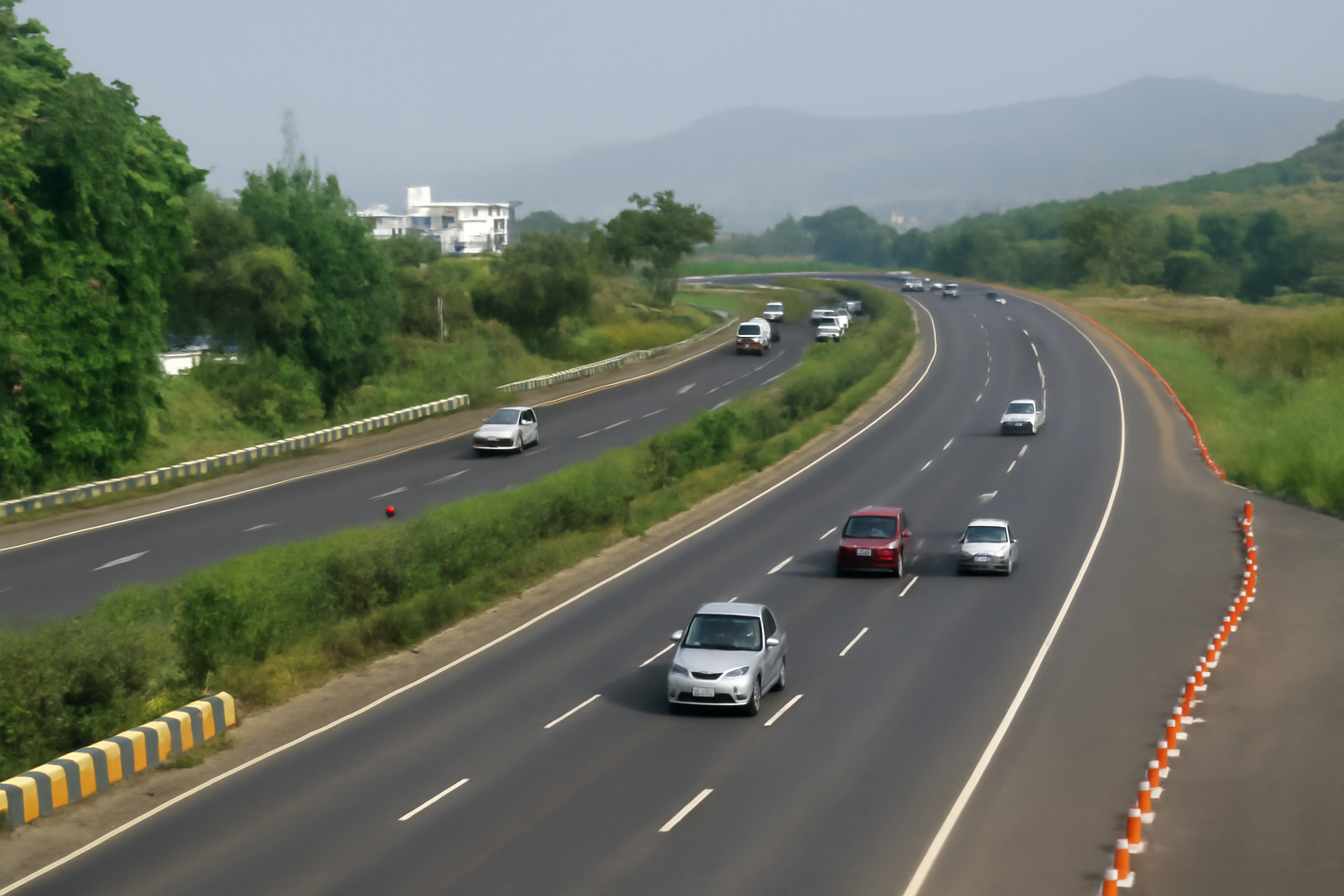
Pune Highways See Safety Upgrades After NHAI Action
The National Highways Authority of India (NHAI) has completed safety enhancements at 16 out of 22 accident-prone locations along key highways in the Pune division. These interventions aim to reduce road accidents and create safer travel conditions for the increasing volume of both passenger and freight traffic. The targeted improvements come after rigorous inspections and data collection, and they affect critical routes such as the Pune-Satara NH-48, NH-965 (Palkhi Marg), and the Nashik Phata-Khed section.
According to NHAI officials, over 70 per cent of these ‘black spots’ have undergone significant redesigns and safety upgrades, which are essential for the growing demand on these roads. These efforts have been made possible due to a collaborative approach involving local municipal corporations and district administrations. Despite these strides, NHAI continues to focus on rectifying the remaining six locations, with plans underway for technical approvals and tendering processes.
Also Watch: An Exclusive Interview with Sanjeev Jaiswal (IAS), CEO MHADA
The Pune-Satara NH-48 is a key route with high traffic volumes, and several stretches here were identified as particularly hazardous. Critical areas like Navale Bridge, Warje Junction, Vadgaon Bridge, and Katraj Tunnel were noted for their poor road geometry, congestion, and high accident rates. These locations now feature redesigned junctions, the installation of crash barriers, rumble strips, reflective signage, and improved lighting. These measures aim not only to control traffic flow but also to enhance visibility and reduce the risk of accidents, particularly during the night.
Meanwhile, the NH-965, also known as Palkhi Marg, is an essential route that serves both pilgrims and local communities. For this stretch, road improvements have been focused on zones with high pedestrian activity. Upgrades at Jejuri, Walhe, and Lonand include the introduction of traffic calming measures, clearer road markings, and better lighting systems. These changes aim to improve safety for all road users, especially the large number of pedestrians who frequent these areas. In the case of the Nashik Phata-Khed corridor, a mix of rural and industrial traffic necessitated adjustments to sharp curves and turning radii. Some sections also saw the addition of pedestrian infrastructure to ensure safer crossings. However, this stretch remains a work in progress, with some delays due to ongoing land acquisition and utility relocation.
Despite the apparent progress, concerns about long-term efficacy remain. Residents’ associations, such as the Sinhagad Road-Warje group, have pointed out that while certain interventions, like rumble strips, may have immediate benefits, these measures are not sufficient for lasting road safety. They emphasise that proper engineering solutions are essential to address issues such as flawed road designs, which contribute to traffic chaos, especially in high-risk zones like Katraj Ghat and Alandi Phata. While NHAI’s interventions mark an important step in improving road safety in Pune, experts argue that these initial improvements should be complemented by more comprehensive engineering interventions. Sustainable and equitable urban mobility, especially in rapidly growing cities like Pune, requires a balanced approach that includes long-term solutions to infrastructure challenges, along with the incorporation of eco-friendly and carbon-reducing measures. Ensuring safer roads not only helps reduce accidents but also contributes to creating sustainable cities where both people and the environment are protected.
As the remaining black spots are rectified and further safety measures are implemented, the road to a safer, more sustainable future for Pune’s highways looks promising. However, it will require continued efforts and collaboration to ensure that these measures evolve with the city’s dynamic growth, balancing safety with sustainability for the future of urban mobility.