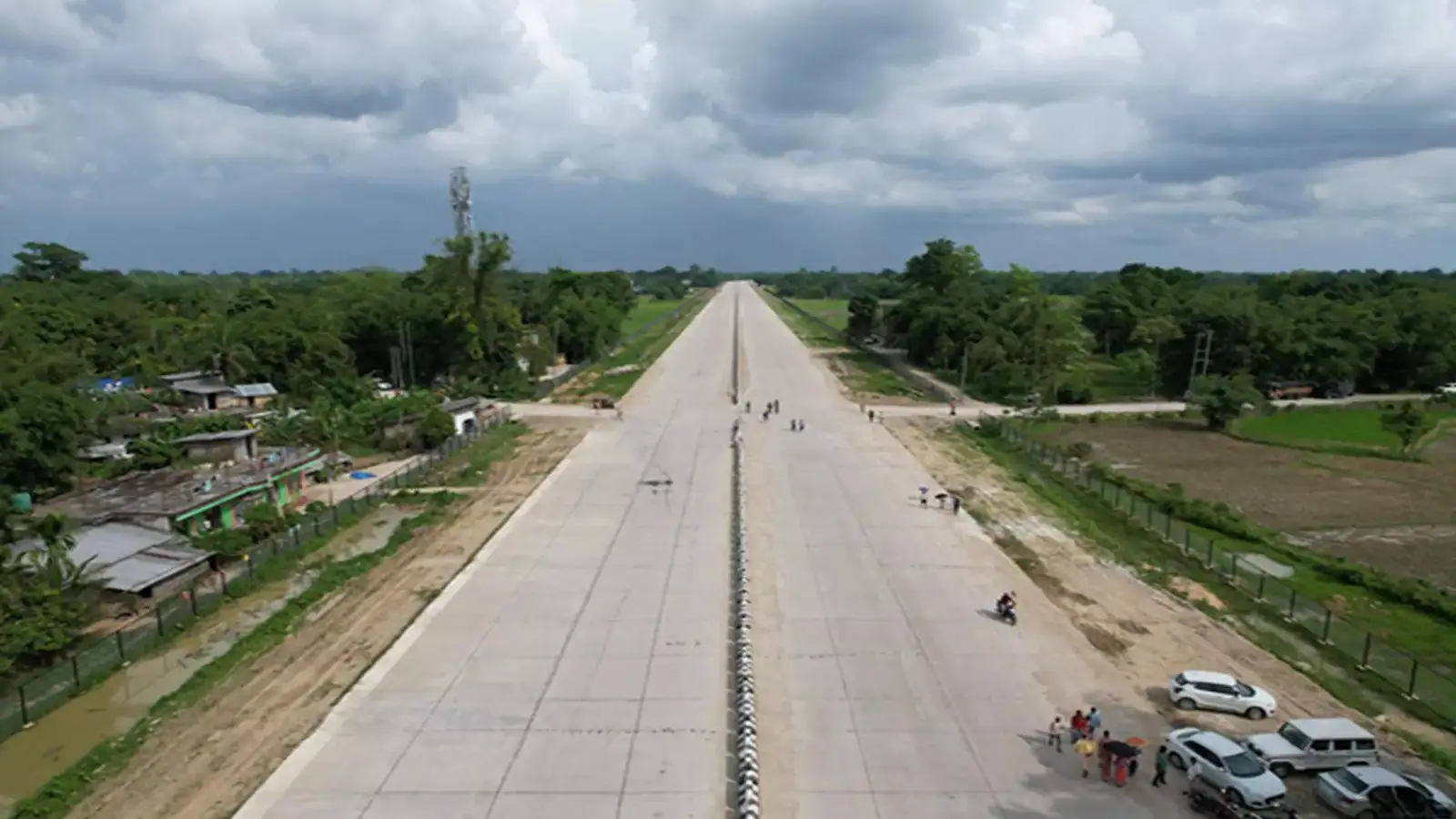
A new wave of highway infrastructure projects worth tens of thousands of crores is being prepared across Pune and the wider western Maharashtra region, signalling one of the largest road expansion efforts planned for the area in recent years. The projects are expected to reshape regional mobility by reducing travel times, easing urban congestion and strengthening economic links between industrial clusters and logistics corridors.
Officials reviewing national highway developments in Maharashtra indicated that several large projects are moving toward the construction stage after prolonged delays linked to land acquisition and regulatory approvals. These clearances, particularly those related to forest land and environmental permissions, have historically slowed down highway development despite the availability of project financing. The proposed Pune highway projects form part of a broader infrastructure pipeline estimated at more than ₹1 lakh crore across the region. A substantial portion of this investment around ₹45,000 crore is expected to directly impact the Pune metropolitan region and nearby economic corridors.
Among the key initiatives under planning is an elevated corridor connecting Pune and Shirur. Spanning over fifty kilometres, the project is expected to become one of the longest elevated road stretches in India. Transport planners believe the corridor could significantly improve freight movement along the eastern growth belt of the city, which has seen rapid expansion of warehousing, industrial parks and residential townships.
Another major component of the Pune highway projects pipeline includes an elevated highway along the Pune–Solapur route between Hadapsar and Yavat. This corridor carries heavy commuter and freight traffic linking Pune with southern districts of Maharashtra. Upgrading the route to a multi-lane elevated highway is expected to ease traffic bottlenecks and improve travel reliability for both daily commuters and logistics operators. Infrastructure planners are also examining an elevated connection between Talegaon, Chakan and Shikrapur an industrial corridor that supports automotive manufacturing, engineering industries and logistics hubs. Enhancing connectivity across this stretch could help streamline cargo movement between Pune’s manufacturing zones and the national highway network.
Further north, upgrades are underway on the Nashik–Khed segment of the Pune–Nashik highway, another key link connecting two of Maharashtra’s major economic centres. In parallel, authorities are evaluating a proposed high-speed road link connecting the Mumbai Trans Harbour Link area near the Jawaharlal Nehru Port with the planned Pune Outer Ring Road. Transport economists suggest such a corridor could divert a substantial share of long-distance traffic away from the existing Mumbai–Pune Expressway, which currently handles some of the country’s heaviest vehicular volumes.
Despite the ambitious pipeline, industry analysts note that road construction activity nationally has moderated in recent years due to lower project awards and disruptions caused by weather conditions. However, officials involved in infrastructure planning believe execution could accelerate once land acquisition and regulatory clearances reach the required thresholds. For Pune, where urban growth increasingly extends into surrounding districts, the success of these Pune highway projects will influence commuting patterns, logistics efficiency and real estate development across the metropolitan region. As new corridors take shape, planners will also need to balance road expansion with sustainable mobility systems and land-use planning to ensure infrastructure growth supports long-term urban resilience.
Pune Highway Projects Pipeline Signals Major Infrastructure Push