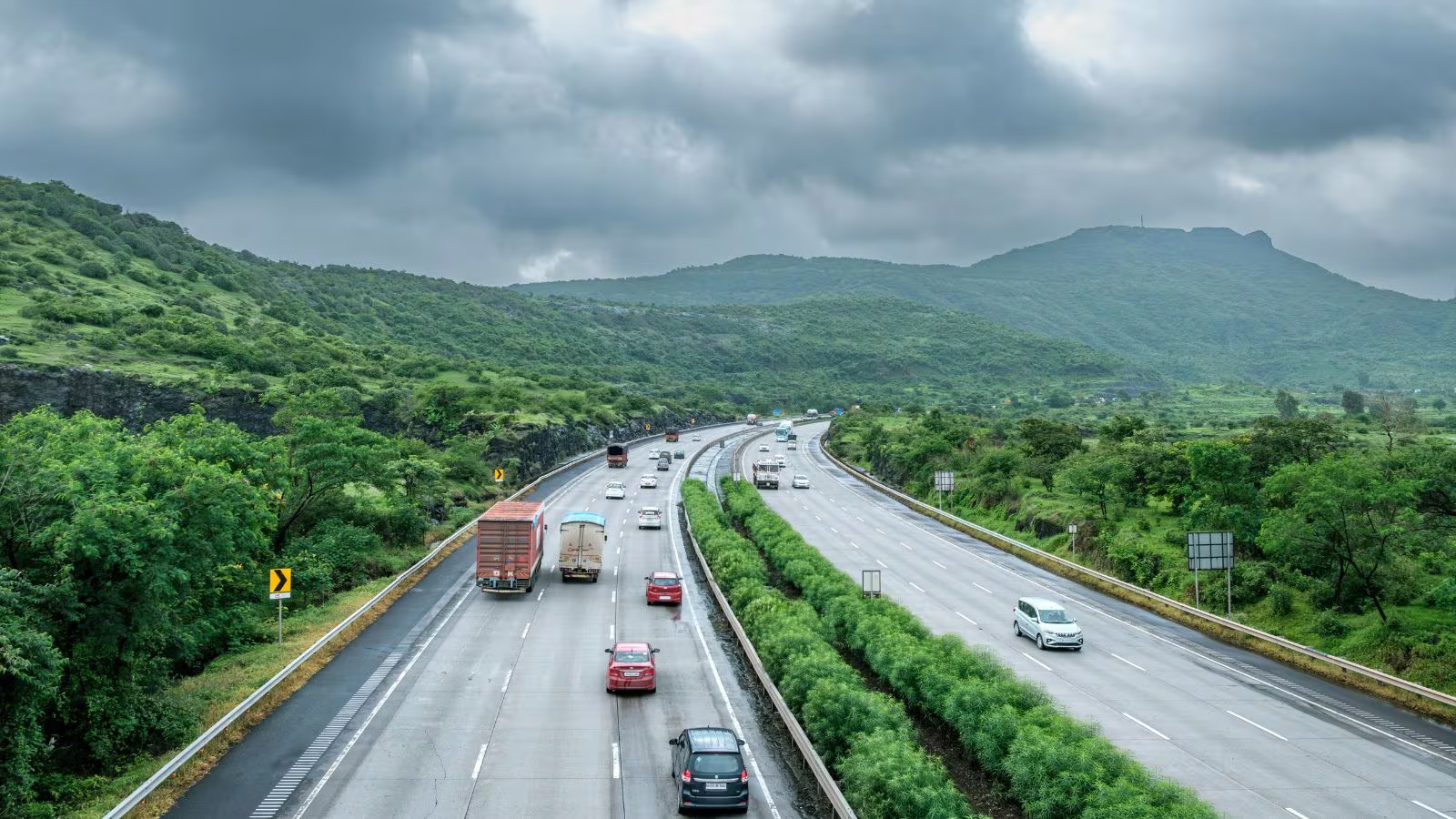
Pune’s district administration has given highway authorities a 20-day window to design a coordinated enforcement framework aimed at improving lane discipline and streamlining exit management across major corridors that traverse the region. The directive follows a recent hazardous-material tanker incident on the Mumbai-bound expressway that triggered hours of gridlock and exposed systemic gaps in traffic control and inter-agency coordination. The review meeting, chaired by the district’s top revenue official, brought together representatives from the highway police, the state road development corporation, the national highways authority and the public works department. Officials were instructed to submit standard operating procedures (SOPs) for highway exits, particularly at interchanges where national and state highways intersect and traffic volumes spike.
The new highway lane discipline framework is expected to clarify roles between agencies, standardise exit designs and strengthen monitoring. According to officials present at the meeting, enforcement will move beyond post-accident response towards preventive measures, including clearly demarcated “no overtaking” stretches, improved signage visibility and tighter surveillance at exit ramps where abrupt lane changes often lead to collisions. Pune district is served by five high-traffic corridors linking Mumbai, Satara, Solapur, Ahmednagar and Nashik. These highways are critical to the region’s logistics economy, real estate growth and daily commuting patterns. However, rising vehicle density, particularly heavy trucks and long-distance buses, has intensified pressure on road infrastructure that was not originally designed for current volumes.
Urban mobility planners say poorly engineered exits and inconsistent lane behaviour are major contributors to highway fatalities in India. Sudden braking, aggressive overtaking and last-minute manoeuvres at interchanges frequently result in pile-ups, especially during peak hours or adverse weather. Standardised exit geometry, advance directional signage and better lane markings can significantly reduce crash risk while maintaining traffic flow. The district administration has also directed the creation of separate control rooms dedicated to highway monitoring. One set will oversee real-time lane discipline enforcement, while another will track feeds from AI-enabled cameras installed along key stretches. Officials believe technology-backed surveillance, combined with on-ground personnel deployment, could deter reckless driving and enable faster incident response.
For a fast-growing metropolitan region positioning itself as an industrial and knowledge hub, highway reliability is not only a safety issue but an economic one. Prolonged traffic disruptions affect supply chains, commuter productivity and emergency response times. They also increase fuel consumption and emissions, undermining broader climate resilience goals. Infrastructure experts argue that disciplined highway systems are foundational to safer, lower-carbon urban growth. Smoother traffic movement reduces stop-start congestion, cutting both accident risk and vehicular emissions. Over time, consistent enforcement can reshape driver behaviour and support more predictable, people-first mobility networks. The coming weeks will test whether Pune’s highway lane discipline blueprint translates into durable institutional reform. If executed effectively, the initiative could serve as a template for other districts grappling with rising traffic volumes and complex multi-agency road management.