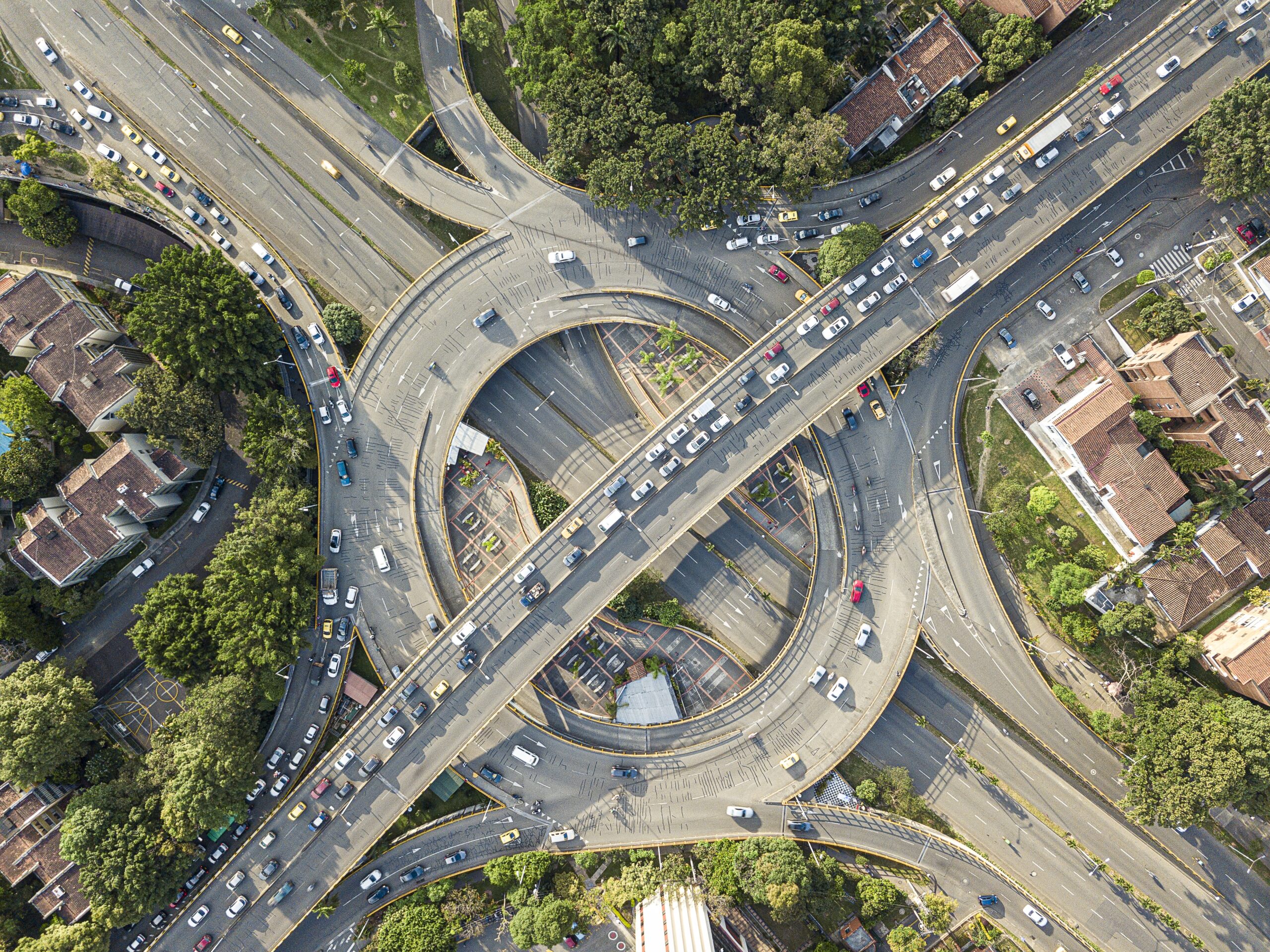
Pune Highway Corridor Plan Gains Momentum Amid Congestion Concerns
Pune is set to see a renewed push for its long-delayed elevated corridor on the Pune–Bengaluru Highway, as the Union ministry has asked the National Highways Authority of India (NHAI) to fast-track clearances and prepare for immediate tendering. The ₹6,000-crore project is now closer to receiving cabinet approval, aiming to decongest one of the city’s most critical stretches within the municipal limits.
The elevated corridor, stretching nearly 32 kilometres between Dehu Road and Narhe, has been in the pipeline for more than four years. NHAI officials confirmed that the project report was completed earlier but stalled due to disputes with a private concessionaire managing the existing highway. Sources within the authority indicated that the legal hurdles are likely to be resolved soon, paving the way for execution.
The corridor will be constructed in two phases — Dehu Road to Pashan-Sus, followed by Pashan-Sus to Narhe. The design was extended beyond the originally planned Balewadi point after civic bodies and resident associations pressed for better access, particularly for professionals commuting daily from Hinjewadi and adjoining neighbourhoods. Officials said the expansion was a direct response to rising traffic demand in the western suburbs, where urban growth has outpaced road capacity.
With rapid residential and commercial development along this stretch, the highway has evolved into a lifeline for thousands of daily commuters, logistics operators and inter-city travellers. The bottlenecks within the city limits have been a persistent challenge, causing significant time loss, increased vehicular emissions and mounting frustration among road users. Transport planners argue that the corridor could serve as a critical intervention, easing congestion while reducing air pollution from idling vehicles. The proposed investment, estimated between ₹5,500 crore and ₹6,000 crore, marks one of the largest highway upgrades in western Maharashtra. Officials highlighted that, alongside the elevated stretch, service roads within Pimpri-Chinchwad limits will be widened from 12 to 24 metres, with preparatory work including the removal of encroachments already under way. This move is expected to improve local connectivity and streamline feeder traffic.
The highway corridor holds wider significance beyond congestion relief. Analysts believe it could redefine urban mobility for Pune, offering a more sustainable and equitable transport framework if integrated with eco-friendly planning. By potentially cutting emissions and improving traffic flow, the project resonates with the larger goals of building low-carbon, resilient and inclusive cities. However, experts caution that infrastructure expansion must be coupled with investments in mass transit to prevent car dependency from overwhelming gains. For Pune, a city grappling with rapid urbanisation and vehicle growth, the highway upgrade is seen as both an urgent necessity and a chance to shape future mobility responsibly. If executed on schedule, the project could emerge as a benchmark for balancing infrastructure growth with environmental stewardship and urban liveability.