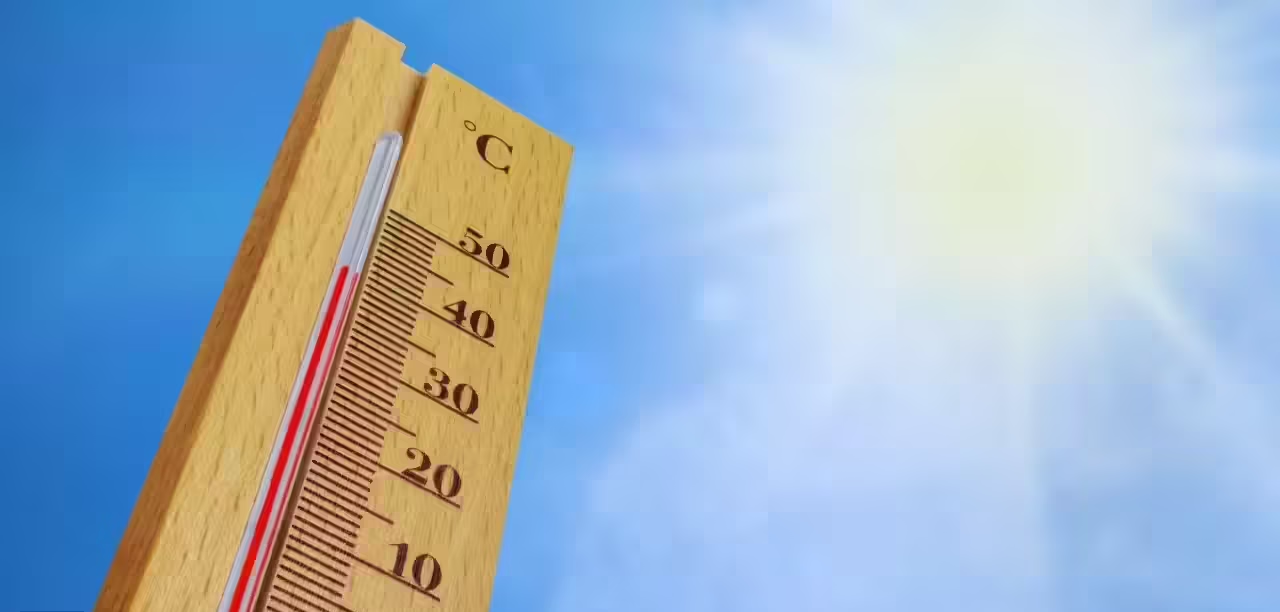
Pune heatwave conditions return as temperatures rise Pune is entering a warmer phase after a brief spell of unsettled weather, with forecasts indicating a steady rise in daytime temperatures that could approach 38°C in the coming days. The shift marks the return of pre-summer heat conditions, with implications for urban comfort, energy demand, and public health across the city.
According to meteorological assessments, recent cloud cover and isolated rainfall—triggered by interactions between moisture systems and upper-level atmospheric disturbances—have now dissipated. As these systems move away, clearer skies are expected to dominate, allowing solar radiation to intensify surface heating. This transition is likely to drive a gradual but consistent increase in both daytime and night-time temperatures. The Pune temperature rise is expected to be most pronounced in built-up areas such as Shivajinagar, Lohegaon, and Chinchwad, where urban density and reduced green cover amplify heat retention. Experts highlight the role of the urban heat island effect, where concrete surfaces and limited vegetation contribute to higher local temperatures compared to surrounding rural zones.
While minimum temperatures had dipped slightly during the recent cloudy period, they are projected to climb again over the next few days, particularly in eastern and industrial parts of the city. Warmer nights can compound heat stress, reducing the body’s ability to recover from high daytime temperatures and increasing risks for vulnerable populations. Urban planners and climate experts note that the Pune temperature rise reflects broader patterns linked to changing climate behaviour and rapid urbanisation. As cities expand, natural cooling systems such as tree cover and open land are often replaced by built infrastructure, intensifying heat exposure. This has implications not only for public health but also for productivity, especially in sectors reliant on outdoor labour.
The impact is also expected to extend to energy consumption, with increased use of cooling systems placing additional pressure on electricity demand. In recent years, such spikes have tested urban power infrastructure, highlighting the need for more energy-efficient building design and decentralised cooling strategies. From a planning perspective, the current weather shift underscores the importance of climate-responsive urban design. Measures such as increasing urban tree cover, promoting reflective building materials, and improving ventilation in dense neighbourhoods can help mitigate rising temperatures. Public advisories on hydration, reduced outdoor exposure during peak hours, and heat preparedness are also expected to gain importance in the coming weeks. As Pune moves closer to peak summer conditions, the focus is likely to shift towards managing heat resilience at both household and city levels. The ongoing Pune temperature rise serves as a reminder of the growing need to integrate climate considerations into everyday urban planning and infrastructure decisions.
Pune Heatwave Conditions Return As Temperatures Rise