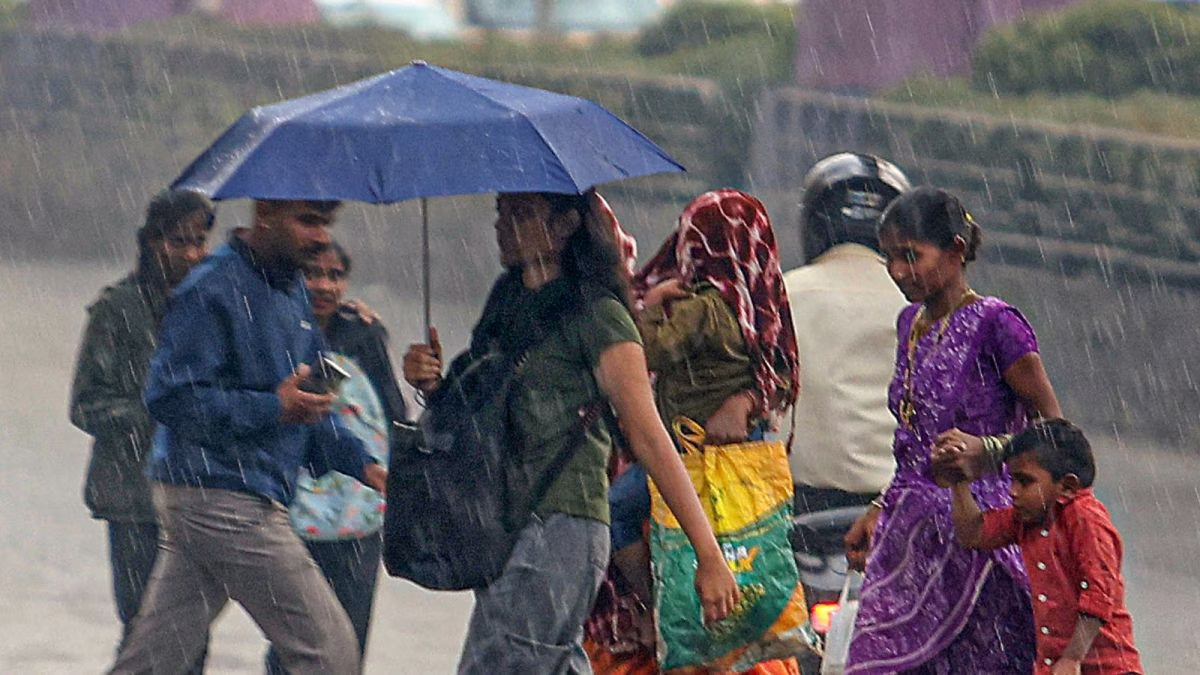
A brief spell of unseasonal rainfall across Pune on the day of Gudi Padwa has drawn attention to increasingly erratic weather patterns in the region, even as it offered temporary relief from rising pre-summer temperatures. The showers, recorded across multiple neighbourhoods, followed meteorological forecasts and underscored the growing importance of real-time weather preparedness in rapidly urbanising cities.
The Pune Gudi Padwa rain event unfolded around midday, with several western and central localities witnessing light precipitation accompanied by thunder activity. Areas along the city’s expanding residential corridors reported short bursts of rain, while peripheral zones near water bodies and hill ranges experienced slightly more intense activity, including isolated hail. Meteorologists had indicated the likelihood of localised rainfall driven by atmospheric instability, a phenomenon becoming more common during transitional seasons. Urban climate experts note that such variability is increasingly linked to broader climatic shifts, where heat build-up followed by sudden moisture influx leads to short-duration but impactful weather events.
For residents, the Pune Gudi Padwa rain brought mixed outcomes. While the showers interrupted outdoor festivities and public gatherings associated with the festival, they also contributed to a noticeable drop in daytime temperatures. This cooling effect, though temporary, provided respite after a steady rise in heat levels over recent weeks. rom an infrastructure standpoint, even light rainfall events can test city systems, particularly in dense urban areas where drainage networks are under pressure from rapid development. Planners highlight that pre-monsoon showers offer an early indicator of how well stormwater systems are functioning, especially in newly urbanised zones where natural drainage channels may have been altered.
The Pune Gudi Padwa rain also has implications for public health and environmental conditions. Sudden weather changes can influence the spread of seasonal illnesses, while intermittent rainfall can affect air quality by temporarily reducing particulate matter. However, experts caution that inconsistent rainfall patterns may also complicate water resource planning, particularly in regions dependent on predictable seasonal cycles. Urban planners argue that cities like Pune must increasingly factor climate variability into design and governance frameworks. This includes strengthening early warning systems, improving urban drainage, and ensuring that built environments are resilient to both heat and sudden rainfall events. Integrating blue-green infrastructure—such as permeable surfaces and restored water bodies—can help mitigate the impact of such fluctuations. As climate patterns continue to evolve, isolated events like the Pune Gudi Padwa rain are likely to become more frequent. For a city balancing rapid growth with environmental constraints, the challenge lies in adapting infrastructure and civic systems to manage these shifts without disrupting daily life or economic activity.
Pune Gudi Padwa Rain Highlights Climate Shifts