


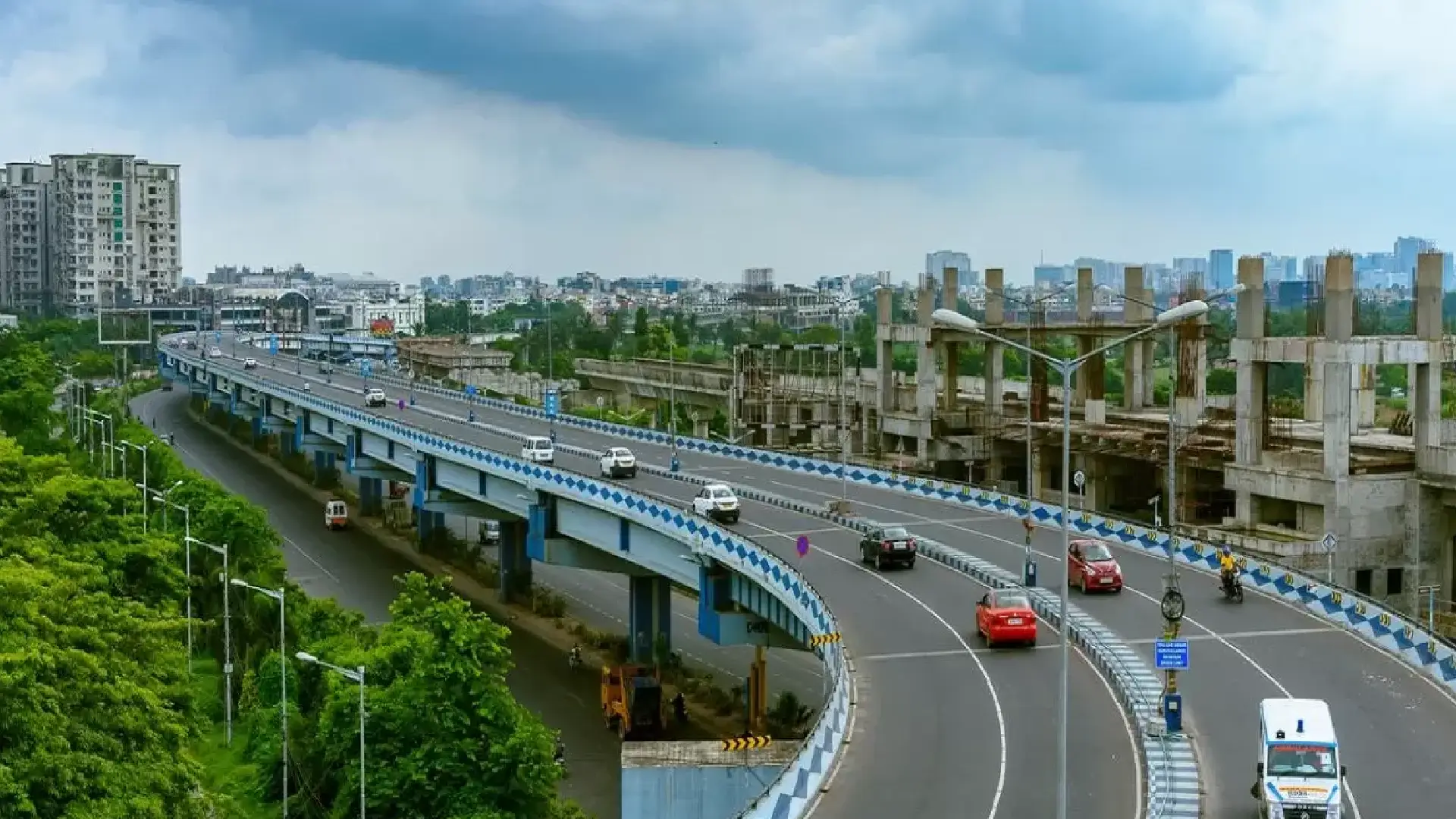
Pune is gearing up for a substantial upgrade in its urban transport infrastructure with the upcoming completion of five major flyover projects across critical traffic junctions.
These projects, collectively valued at Rs. 548 crore, promise to substantially alleviate congestion and improve connectivity, with all flyovers expected to be operational by mid to late 2026.The city’s traffic woes have long been compounded by bottlenecks at key intersections, slowing daily commutes for thousands and contributing to elevated pollution levels. The new flyovers, strategically located at Katraj Chowk, University Junction, Sinhagad Road, Vishrantwadi’s Ambedkar Chowk, and Ghorpadi Village, are poised to transform travel dynamics by significantly cutting down journey times and streamlining vehicular flow.
The Katraj flyover, the largest among the five with an investment of Rs. 269 crore, is designed to untangle one of Pune’s most notorious traffic snarls. Despite facing delays due to its complexity and scale, authorities have granted timeline extensions recognising the importance of delivering this crucial infrastructure. Meanwhile, the University Junction flyover, nearing 85% completion, is scheduled to partially open by June 2025, offering early relief to daily commuters.Smaller but equally vital, the Rs. 40 crore Sinhagad Road flyover aims to clear choke points by mid-June, while the Vishrantwadi project, overcoming challenging terrain, is 60% complete and expected to enhance mobility for local residents and workers alike. The Ghorpadi flyover, currently 40% done, focuses on decongesting internal roads and is anticipated to revive local bus services hampered by traffic snarls.
Beyond just easing traffic, these flyovers incorporate dedicated pedestrian pathways and cycling tracks in select locations, reflecting Pune’s commitment to fostering eco-friendly and equitable transport solutions. This design consideration aligns with broader sustainability goals to reduce vehicular emissions and encourage non-motorised mobility.Officials project that over 11,000 vehicles will benefit daily from these developments, translating into significant fuel savings, lowered pollution levels, and improved emergency response times for ambulances and fire services. Nonetheless, challenges remain, particularly in managing construction-phase traffic and navigating land acquisition hurdlesPune flyovers, Pune traffic infrastructure, sustainable urban transport, Pune metro projects, Pune road development, eco-friendly city planning, integrated urban mobility thatv have intermittently slowed progress. The monsoon season may also pose temporary delays.
Complementing these flyovers, the Pune Municipal Corporation (PMC) is advancing plans for ten innovative double-decker flyovers. These structures uniquely integrate a lower vehicular deck with an upper metro rail deck, optimising scarce urban space while enhancing multi-modal connectivity. Locations under consideration include Mundhwa, Kalubai Chowk, Dandekar Pul, Wagholi, and others.This public infrastructure synergy involves collaboration between PMC and metro authorities like Maharashtra Metro Rail Corporation Ltd and Pune Metropolitan Region Development Authority. The partnership model, where PMC finances the lower decks and metro agencies fund the elevated rail lines, demonstrates an efficient approach to urban transit expansion in rapidly growing cities.
Pune’s flyover projects exemplify a strategic urban response balancing mobility needs with sustainability imperatives. By reducing congestion and promoting integrated transport networks, these initiatives aim to shape a more liveable, equitable city that supports economic vitality while safeguarding environmental quality.
As Pune continues to grow as an economic and educational hub, such infrastructure investments will be critical in meeting future mobility demands without compromising the city’s commitment to zero net carbon goals and inclusive urban living.
Also Read : Bengaluru Sky Deck to Rise at Kengeri Layout
