


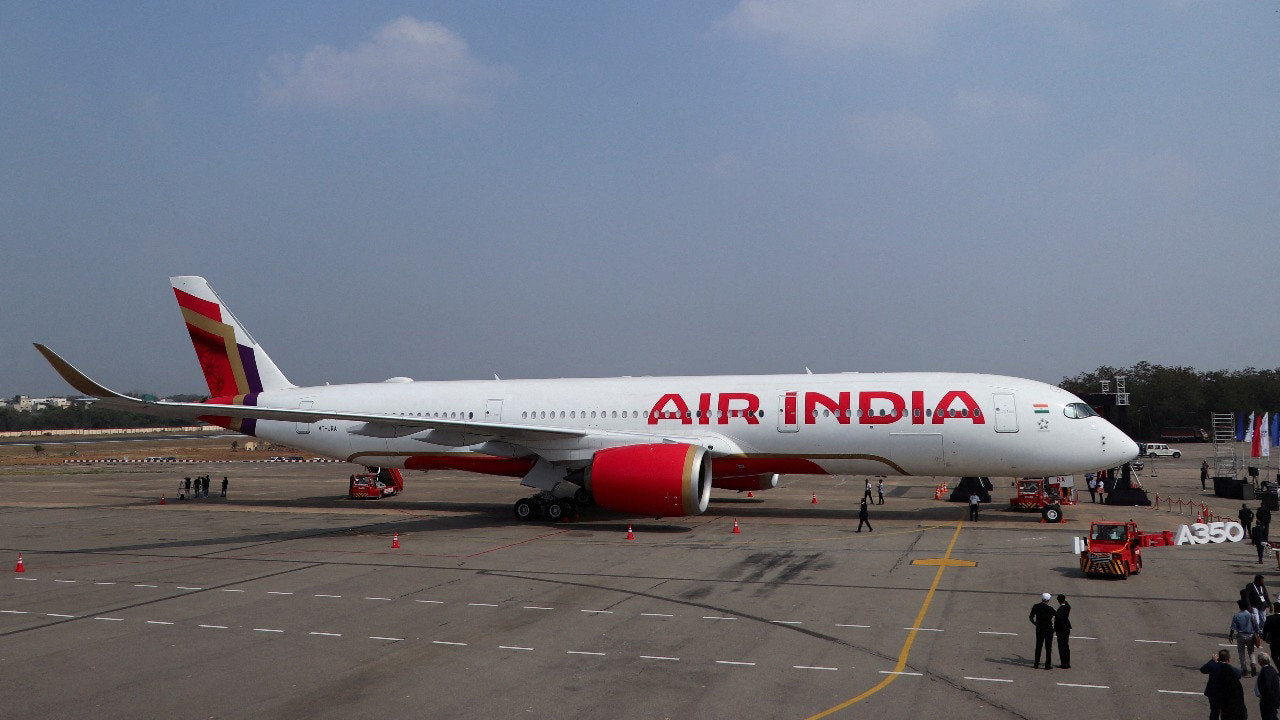
An Air India flight from Delhi to Pune encountered a bird strike upon landing on Friday morning, prompting cancellation of its return leg to Delhi and significant passenger disruption. Flight AI-2469 departed Delhi at 05:31 AM with over 100 passengers and touched down safely at Pune at 07:14 AM before a bird hit was discovered during post-landing inspections. As a safety measure, the airline cancelled the scheduled return flight AI-2470 from Pune to Delhi on June 20, citing the strike during mandatory engineering checks.
Air India confirmed that no injuries occurred, and the aircraft had landed normally. However, precautionary grounding followed the bird strike detection. The airline promptly initiated a comprehensive inspection by its engineering teams and has assured travellers of full refunds, complimentary rescheduling, and alternative accommodation arrangements for those stranded in Pune. In parallel, Air India cancelled eight additional flights that day—four international and four domestic—due to enhanced maintenance and operational reasons. Domestic cancellations included the return AI-874 (Pune–Delhi), AI‑456 (Ahmedabad–Delhi), AI‑2872 (Hyderabad–Mumbai) and AI‑571 (Chennai–Mumbai). The international route cancellations covered AI‑906 (Dubai–Chennai), AI‑308 (Delhi–Melbourne), AI‑309 (Melbourne–Delhi), and AI‑2204 (Dubai–Hyderabad).
These disruptions follow a larger operational overhaul at Air India, instigated by a catastrophic Boeing 787 Dreamliner crash on June 12. The DGCA has ordered extensive safety checks across widebody aircraft, leading to substantial reductions in operations—Domestically and internationally—with 83 flights grounded and a 15 per cent slash in widebody international services through mid-July. Passengers impacted by Friday’s cancellations praised the airline’s prompt redressal efforts. Air India’s ground teams assisted with rebooking, refunds, and accommodation, emphasising passenger welfare. One representative stated that ground staff were “working to ensure they reach their destinations as soon as possible,” with logistical support extending to hotel stays in Pune .
Aviation experts note that bird strikes remain a persistent hazard, particularly near urban airports with dense avian populations. Though usually non-fatal, thorough aircraft inspections are essential to uphold safety standards ahead of the return journey. The incident in Pune underlines inherent operational complexities of modern aviation and regulatory emphasis on safety over schedule . The cascading effect of maintenance-driven cancellations highlights the balancing act Air India must manage: ensuring compliance with DGCA directives and safe operations post-crash, while preserving customer trust and flight reliability. Ongoing equipment scrutiny and strict adherence to safety protocols are necessary to restore public confidence and operational normalcy in an airline expanding under Tata Group stewardship.
This bird strike saga, set against broader airline-wide scrutiny, emphasises that even routine urban flights face safety pressures. For passengers, the key takeaway is heightened awareness of potential disruptions and the importance of contingency planning. As Air India inches towards stabilising its schedule, keeping passenger welfare and regulatory compliance at the core of its recovery will be critical.
Also Read: New Demolition Rules After Ahmedabad Plane Crash
