


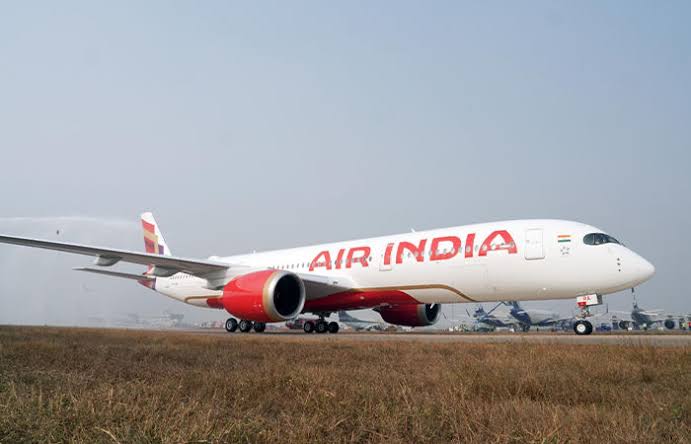
A Pune-Bhubaneswar flight operated by a leading domestic carrier was forced to abort take-off on Wednesday morning after suffering a bird hit on the runway, underscoring growing safety concerns around Pune International Airport. Passengers were later accommodated on an alternative aircraft, but the incident has once again brought attention to the city’s persistent aviation hazards linked to urban waste mismanagement.
Airport authorities confirmed that the pilots detected a suspected bird strike during the take-off roll, prompting an immediate halt to operations. Though no passengers were harmed, the event adds to a growing list of bird strike incidents at the Pune airport, especially during the ongoing monsoon season. Airline officials stated that passenger safety remained their top priority, and arrangements were made promptly to minimise delays. However, this disruption is not an isolated event. A similar incident was reported on June 20 when a bird hit was detected post-landing on a Delhi-Pune service. The recurrence of such events has raised alarm bells within the aviation community and among environmental experts.
Also Watch: An Exclusive Interview with Sanjeev Jaiswal (IAS), CEO MHADA
In response, the city’s municipal corporation has deployed special teams under its Solid Waste Management Department for intensified round-the-clock clean-up operations around the airport zone. Airport officials had earlier flagged the presence of unauthorised dumping along the eastern and western perimeter walls, alongside the existence of informal commercial establishments that contribute to the increasing volume of food and industrial waste in the area. This unmanaged waste has become a major attractant for birds, creating a dangerous proximity to flight paths. According to airport management, while municipal efforts have shown progress in recent weeks, bird activity naturally spikes during monsoon months due to waterlogging and increased insect populations. Officials indicated that the clean-up operation would need to be continuous and structured rather than reactive or episodic.
In a separate incident earlier this week, a scheduled flight from Delhi to Pune experienced a delay of over four hours due to maintenance issues identified during pre-flight checks. Although the issue was resolved, and the aircraft later departed, passenger frustration over recurring delays across carriers is growing, particularly in tier-2 aviation hubs like Pune. Experts argue that with rising air traffic and Pune’s growing importance as a commercial and IT destination, the city’s aviation infrastructure requires not just operational upgrades but also a coordinated civic ecosystem that supports safer skies. The ongoing threat of bird strikes is not just an aviation risk, it highlights deeper challenges around urban planning, waste segregation, zoning, and enforcement.
As Indian cities expand rapidly, urban sustainability and flight safety can no longer exist in silos. A resilient and eco-sensitive civic model is essential to ensure airports remain safe, especially for cities like Pune that are fast transitioning into major national aviation nodes.
Also Read: Gujarat AAI‑Run Airports Lose Rs 818 Crore Over Ten Years
Pune Flight bird hits raise safety concern
