


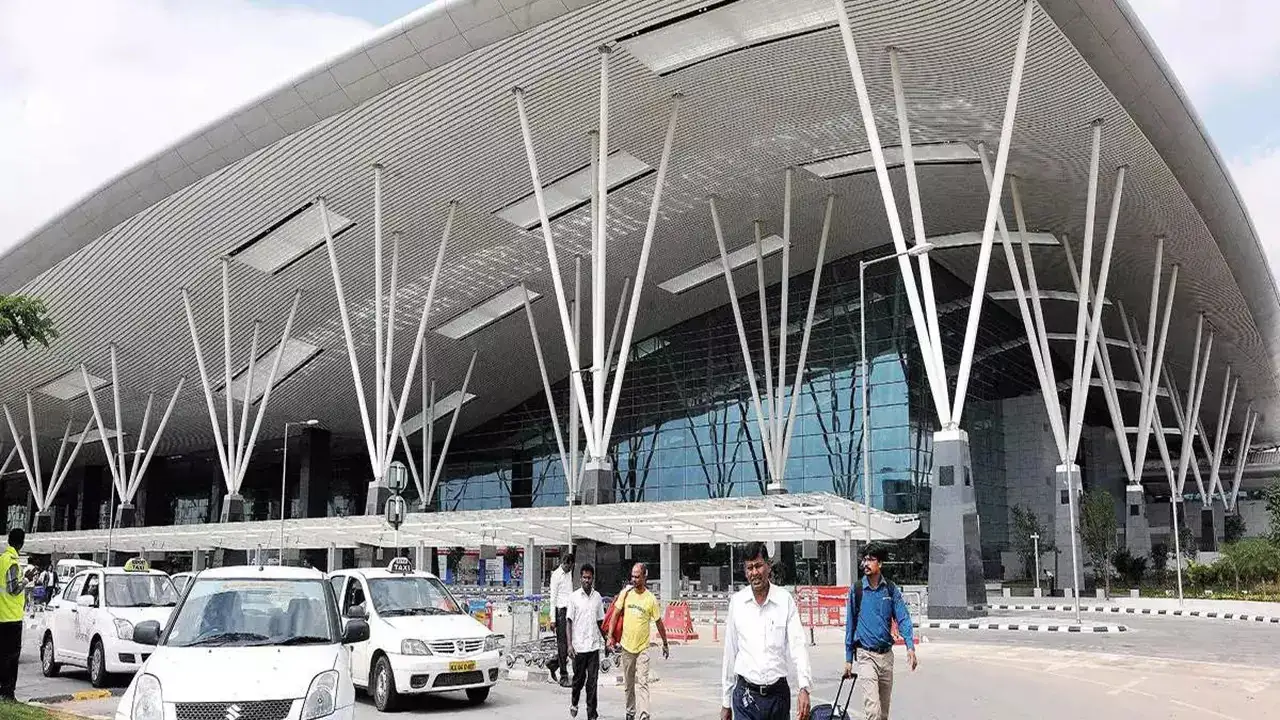
Pune International Airport has introduced a ₹500 penalty for private vehicles that wait longer than 15 minutes outside the terminal, monitoring timers and deploying an enforcement team to reduce traffic congestion and enhance passenger convenience.
Pune’s airport management has rolled out a time-bound vehicle regulation, targeting private cars that idle outside the new terminal during peak hours. The authority has established a 15-minute limit for pick-up and drop-off operations, with violators facing a ₹500 fine. This measure aims to untangle congestion that routinely disrupts traffic flow and slows passenger movement, especially during evening surges. The directive received central clearance before implementation, marking a significant step in resetting vehicular norms. Airport officials have said that enforcement officers will now time incoming vehicles, administering penalties swiftly to prevent cars from lingering unnecessarily.
According to the airport director, this policy emerged from repeated gridlocks, often caused by drivers arriving early and waiting for over 30 minutes. “Private vehicles parking for hours at the terminal entrance not only block access but prolong queue times for everyone,” he stated . The new rule applies during designated hours, with the primary goal of ensuring smoother and quicker passenger movement. An enforcement squad, trained to monitor vehicle wait times, has been stationed at access points. The squad operates in coordination with traffic wardens already on site, who have faced challenges as vehicles left running with drivers waiting inside on the promise of soon departures . Residents and airport frequent flyers have reportedly supported the change, describing long vehicle queues and traffic bottlenecks.
A local airport-area business leader noted that up to ten drivers are fined daily—each ₹500—during peak periods. This figure underscores the degree to which traffic management issues have affected both commuters and airport operations. The 15-minute cap balances reasonable waiting time with queue clearance goals, aligned with practices at metropolitan airports such as Bengaluru, Chennai, and Hyderabad where similar regulations are enforced. Critics argue that simply penalising drivers will not suffice. Sustainable transport experts suggest that the airport should complement such measures with broader strategies, like expanding drop-off zones, creating timed buffer lanes, and incentivising ride-sharing or public transport to reduce vehicle load.
Indeed, improving last-mile connectivity is vital. The airport is reportedly assessing options like electric shuttle buses, solar-powered parking guidance systems, and designated carpool lanes—choices that would lower emissions and ease traffic sustainably. As one urban mobility consultant commented, “Behavioural change in airport zones comes with smart infrastructure: timed lanes, sensor-based alerts, real-time traffic feeds. Encouraging shared, carbon-neutral travel aligns with wider civic goals.” Airports across India are increasingly syncing traffic governance with green agendas. Pune airport’s initiative reflects this shift but also invites scrutiny regarding the integration of eco-friendly systems—such as electric Vehicle (EV) parking, solar canopies, and real-time app alerts—as part of future upgrades.
Operational data will soon reveal whether the fine alone significantly reduces congestion or just redistributes it to surrounding roads. Traffic wardens may need further support, including additional staff or automated systems, to handle complex peak-time flows. Critically, the focus must remain equity-sensitive. Those unable to afford the fine—such as elderly relatives or low-income drivers—may be unfairly penalised unless exemptions or scaled penalties are considered. Authorities must balance regulation with empathetic application, ensuring the policy supports all citizens, not just the financially able. Looking ahead, the airport is expected to integrate this timed rule into its broader expansion plans. In recent months, Pune airport expanded its passenger terminal and runways using central funds—now the new rule will dovetail with enhanced infrastructure to handle rising urban demand more effectively . Multi-modal links with metro, bus, and EV charging stations could further streamline traffic and reduce emissions.
Passengers have responded positively to the measure. A frequent flyer reportedly said that a rigidised pick-up window would curtail unnecessary waiting and allow pickups in traffic bays rather than blocking the terminal. However, concerns remain over sufficient buffer spaces for legitimate delays—such as flight diversions or baggage issues. To that end, officials are looking at using mobile apps like M‑Indicator to notify private vehicles when their passengers are near — enabling smart coordination and limiting idle time. Some are also piloting camera-based timer systems linked to the central traffic management platform, triggering automatic fines after the 15-minute window expires.
The ₹500 fine forms part of Pune’s broader objective: evolving into a climate-sensitive and commuter-friendly airport. By pairing enforcement with sustainable measures—like EV transit loops, solar-powered infrastructure and congestion-sensitive pricing—the terminal can set a standard in regional infrastructure aligned with zero-carbon goals. For now, drivers are urged to remain alert to signage and coordinate pickups. The new policy represents a step toward creating an efficient, equitable, and sustainable travel experience—one that blends behavioural rules with long-term urban planning and environmental foresight.
Also Read : Pune Ghat Areas Brace Under Orange Rain Alert
