


Pune FDA Clears Chicken, Investigates Packaged Water in GBS Probe
In a crucial development regarding the Guillain-Barré Syndrome (GBS) outbreak in Pune, the Food and Drug Administration (FDA) has ruled out bacterial contamination in raw chicken, shifting the focus to the city’s water supply as a probable source. Following concerns over the potential link between poultry and the surge in GBS cases, the FDA conducted rigorous testing on 60 raw chicken samples, all of which tested negative for Campylobacter jejuni, the bacteria often associated with the disorder. The findings, confirmed by Envirocare Labs, an NABL-accredited facility, have been conveyed to the Pune divisional commissioner and Pune Municipal Corporation (PMC), effectively dispelling initial fears around chicken consumption.
The GBS outbreak, which has resulted in 210 suspected cases since January, has left the city’s health authorities grappling for answers. While Deputy Chief Minister Ajit Pawar had earlier advised residents to avoid undercooked chicken, he later clarified that the primary concern remains water contamination. Health experts warn that ingesting water or food contaminated with C. jejuni can trigger bacterial infections, leading to severe neurological complications in rare cases. The National Institute of Virology (NIV), Pune, detected traces of C. jejuni in stool samples of 30 GBS patients, further reinforcing concerns over a waterborne outbreak.
Escalating Public Health Crisis Amid Rising GBS Cases
The scale of the outbreak continues to grow, with the public health department recording two additional suspected cases, bringing the district’s total to 210 cases. Among these, 182 have been confirmed as GBS patients, with cases distributed across Pune Municipal Corporation (42 cases), newly added villages in PMC (94), Pimpri Chinchwad Municipal Corporation (32), Pune rural (32), and 10 from other districts. Tragically, the outbreak has led to eight suspected deaths, of which four have been confirmed as GBS-related fatalities.
As the crisis unfolds, hospital infrastructure is being stretched to accommodate the rising number of critical patients. Currently, 41 individuals remain in ICU care, with 20 requiring ventilator support, while 135 patients have been discharged after receiving treatment. Given the severity of GBS, which causes progressive muscle weakness and, in extreme cases, paralysis, the medical response has become a race against time to identify and eliminate the root cause.
Sustainability Concerns: The Growing Water Crisis in Pune
The outbreak has exposed deeper urban sustainability issues concerning Pune’s water infrastructure. So far, 6,977 water samples have been collected for chemical and biological analysis, with tests revealing contamination in 85 water sources. These findings raise significant concerns over water management, filtration, and distribution systems, particularly in rapidly expanding urban zones. Earlier this month, ICMR-NIV confirmed C. jejuni contamination in tap water samples from a housing society in Kirkitwadi, further corroborating the link between the outbreak and the city’s water supply.
The crisis also underscores the need for greater regulatory oversight of private water supply sources, particularly as 25 private reverse osmosis (RO) plants in GBS-affected areas were found to be contaminated, leading the PMC to seal them. Additionally, bacterial contamination was detected in 15 private water tanker operators, which collectively supply nearly 800 daily trips to affected localities. Given Pune’s dependence on private water distribution, stringent quality controls must be prioritised to prevent future health emergencies.
Government Intervention: FDA Expands Investigation to Packaged Water
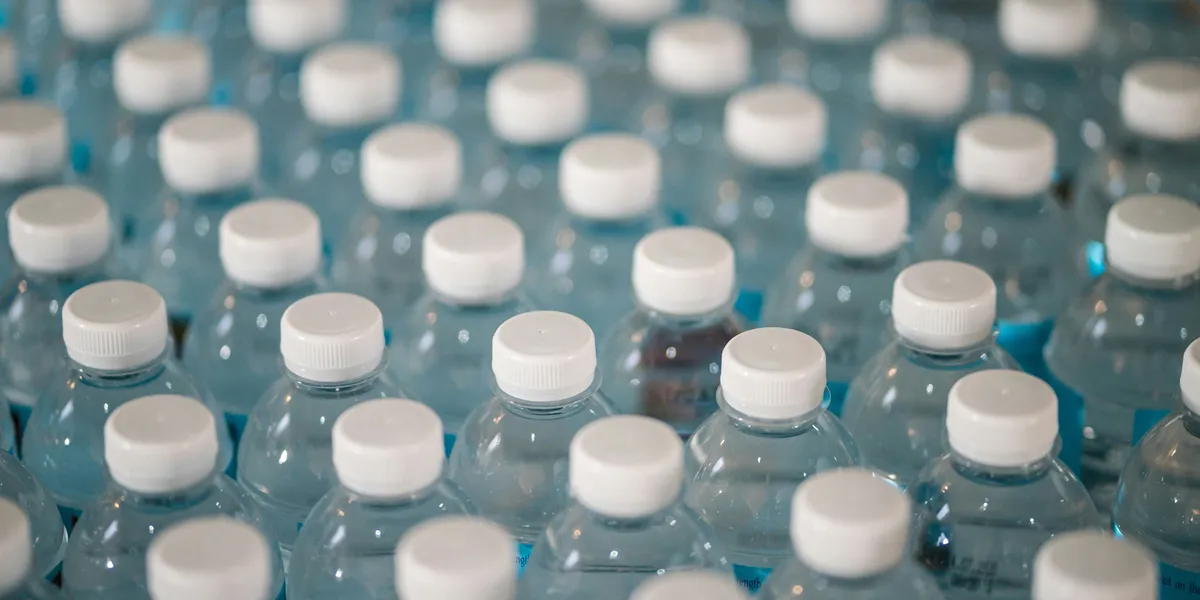
Amidst growing concerns, the FDA has expanded its probe to packaged drinking water and mineral water brands sold in Pune, ensuring that contamination risks are not limited to municipal supply sources. The state government has directed the FDA to conduct quality tests on all major bottled water brands, with eight samples already collected from manufacturing and packaging units.
With 42 licensed packaged water establishments operating in Pune, health officials are now working to ensure that all bottled water available to the public meets stringent safety standards. Dr Suresh Annapure, Joint Commissioner, FDA (Food), Pune Region, has confirmed that these investigations are part of the government’s broader efforts to contain the outbreak and prevent further fatalities.
While the confirmation of chicken safety brings some relief to the poultry industry, the larger issue of contaminated water presents a formidable challenge. As Pune battles its worst GBS outbreak in recent history, authorities must act swiftly to rectify lapses in water safety and implement long-term solutions to prevent future outbreaks. For a rapidly urbanising city like Pune, ensuring clean and safe drinking water is no longer just a health concern—it is an urgent sustainability necessity.
