


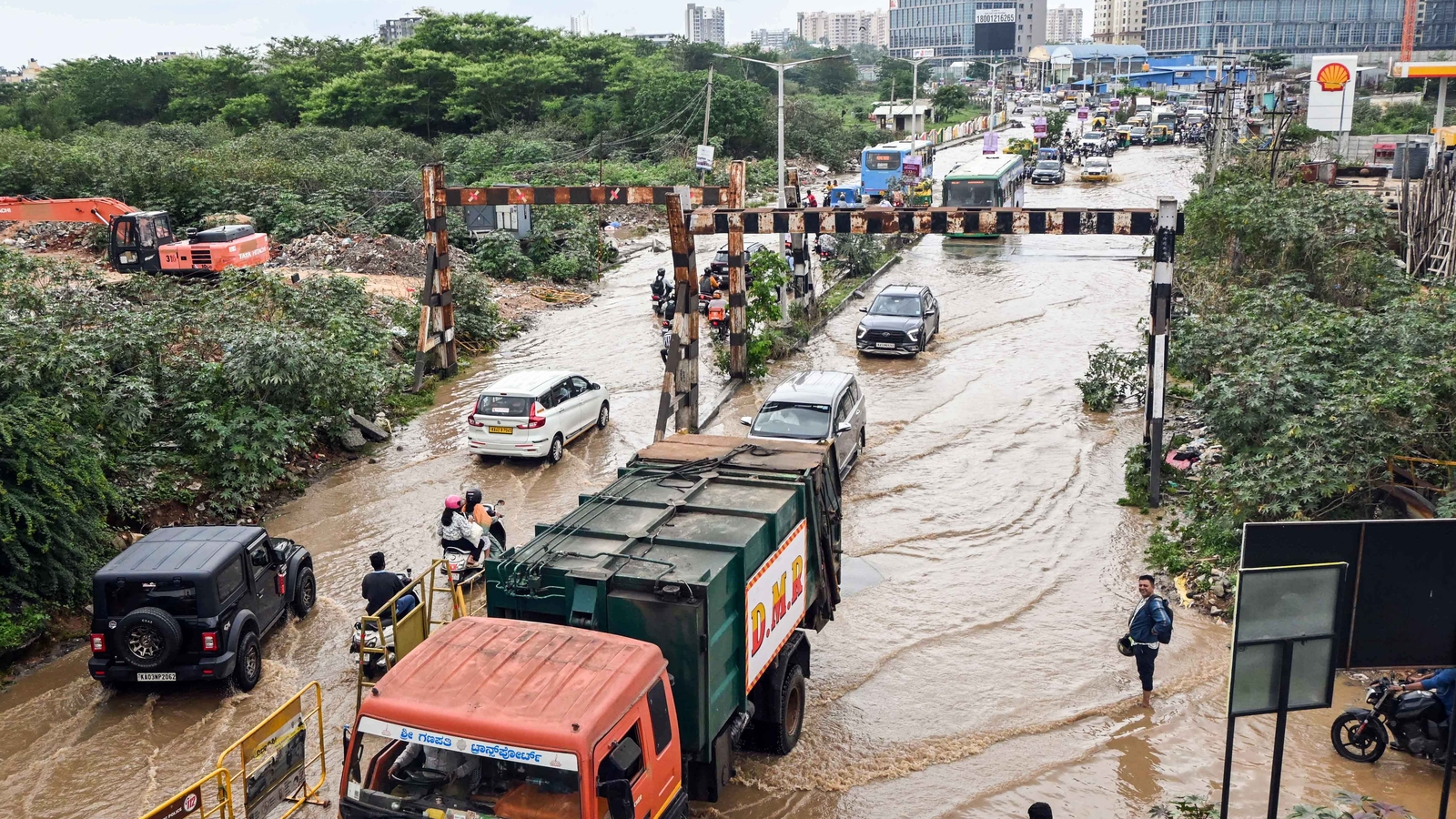
Pune-Bengaluru Highway corridor faces escalating safety and traffic risks as blocked drains and inadequate drainage infrastructure have led to severe waterlogging and road hazards, just as the monsoon intensifies.
The National Highways Authority of India (NHAI) has formally urged the Pimpri Chinchwad Municipal Corporation (PCMC) to urgently address these issues in the Ravet-Kiwale stretch to prevent worsening commuter disruption and accidents. In its letter dated 21 May, NHAI highlighted that persistent blockages in at least ten natural drains and culverts alongside the highway’s service roads have resulted in substantial rainwater and sewage overflow. These blockages, reportedly linked to unregulated construction of large commercial and residential towers flanking the highway, have compromised drainage capacity. During recent joint inspections with PCMC officials and local representatives, the waterlogging situation was found to have escalated to dangerous levels, especially around Wakad, Tathawade, and Punawale.
The flooding forced closure of a key underpass in Wakad and rendered several service roads impassable, triggering significant traffic snarls. Officials warned that water-filled potholes and slippery road conditions now pose a grave hazard to commuters, with a potential spike in accidents if timely interventions are not implemented. The issue, originally raised by NHAI in July 2024, has seen repeated calls for repair works, yet drainage restoration remains incomplete, raising questions about civic accountability. City engineers clarified that while the widening of service roads from 12 to 24 metres is under NHAI’s purview, PCMC is responsible for the maintenance and repair of drains, manholes, and culverts. Repair work is currently on hold pending a break in the monsoon rains, but the delay is heightening public frustration. In the interim, NHAI’s concessionaire has been instructed to address pothole repairs and overlay damaged road surfaces to improve short-term conditions.
The situation exemplifies the challenges facing rapidly urbanising regions where infrastructure development has lagged behind unchecked construction. Blocked natural drainage channels undermine sustainable water management, heightening flood risk and road safety concerns during the increasingly erratic monsoon season—a pattern worsened by climate change. From an urban planning perspective, this crisis underscores the critical need for integrated infrastructure management between state and municipal authorities, especially in peri-urban zones witnessing accelerated commercial growth. Experts stress that addressing drainage blockages must form part of a broader eco-sensitive approach incorporating green infrastructure solutions like permeable surfaces and rainwater harvesting to enhance stormwater absorption and reduce pressure on natural drains.
Citizens express frustration at what is perceived as a cycle of neglect, with repeated yearly warnings seemingly ignored until the rains expose vulnerabilities. Public interest advocates urge transparent monitoring and accountability to ensure the civic body meets its drainage maintenance obligations. This would not only safeguard commuter safety but also advance Pune’s goals toward resilient, sustainable urban infrastructure aligned with climate adaptation principles. As monsoon patterns become increasingly intense and unpredictable, the Pune-Bengaluru Highway drainage issues serve as a cautionary tale of the costs of delayed infrastructure upkeep. Without coordinated action and investment in sustainable drainage management, the risks of traffic disruption, accidents, and environmental degradation will only escalate, undermining public trust and the city’s development trajectory.
The coming weeks will test PCMC’s responsiveness and prioritisation of this urgent public safety challenge, with stakeholders watching closely for tangible progress to prevent a repeat of this hazardous cycle.
Also Read :Mumbai Roads Remain Unfinished Before Monsoon
