


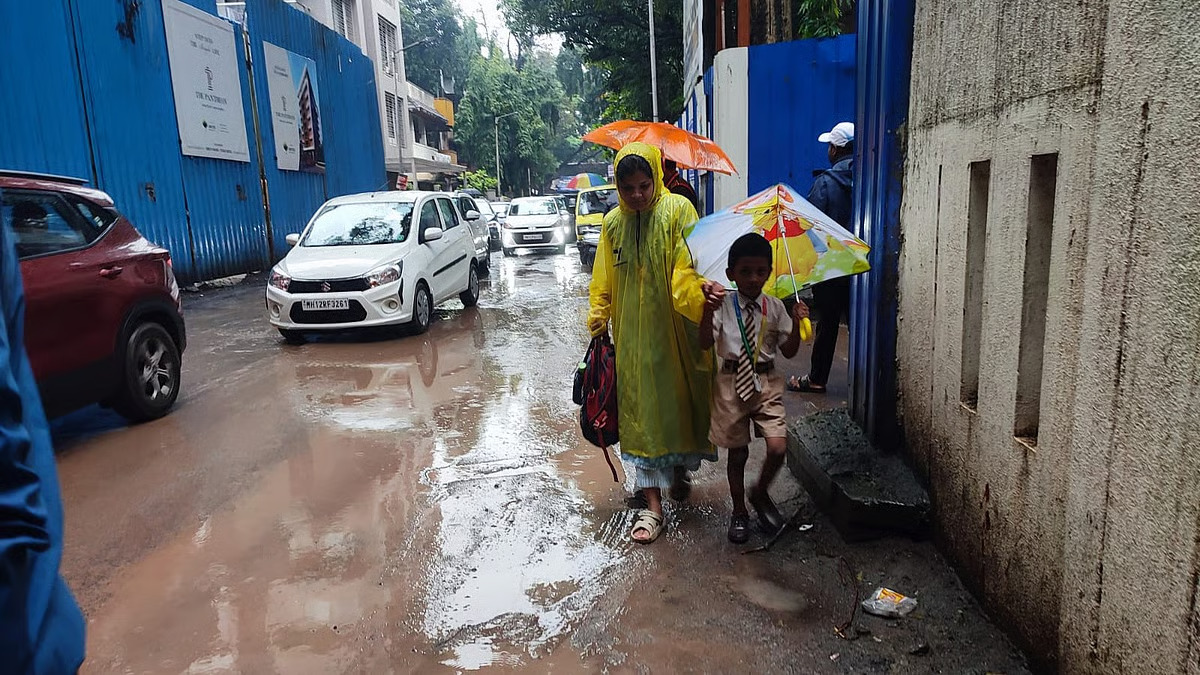
Pune woke up to torrential rains on Monday, as the India Meteorological Department (IMD) issued an orange alert for the next three hours, warning residents of potential heavy rainfall, stormy winds, and lightning in several city zones. Authorities simultaneously announced the controlled release of 14,575 cusecs of water from the Khadakwasla Dam at 10 am, urging citizens in low-lying areas to remain vigilant and exercise caution.
The deluge since Sunday evening has exacerbated traffic congestion across Pune, leaving office-goers and schoolchildren stranded in flooded roads and waterlogged neighbourhoods. Key arterial stretches were reported clogged, and commuters described travel times doubling due to bottlenecks and damaged road surfaces. Public transport services, including Pune Mahanagar Parivahan Mahamandal Ltd (PMPML) buses, faced significant delays, further disrupting daily routines. Urban infrastructure stress was evident as several low-lying areas witnessed stagnant water accumulation, straining drainage systems. Reports of ten fallen trees since Sunday evening highlighted the vulnerability of city streets to extreme weather. Emergency response teams were deployed to assist in clearing blocked roads and ensuring safe passage for commuters.
The IMD forecast anticipates continued light to moderate rainfall, with isolated heavy showers likely in Pune over the coming days. Regional advisories extend across Konkan, Goa, Madhya Maharashtra, and Marathwada, reflecting a broader pattern of intense monsoon activity that has already impacted several districts. Officials emphasised that preventive measures, such as avoiding travel through waterlogged areas and monitoring dam water releases, are critical to mitigating risks. Experts note that the current weather events underscore persistent challenges in urban planning and drainage management in rapidly expanding cities. The Khadakwasla Dam’s controlled discharge, intended to manage reservoir levels, also serves as a reminder of the delicate balance required between infrastructure management and citizen safety. Officials stressed adherence to alerts and recommended caution for residents, especially in slum and flood-prone areas, highlighting the need for resilient and equitable city planning.
City administrators are coordinating with the IMD and disaster response teams to monitor rainfall intensity and the downstream impact of dam water release. Temporary traffic diversions and advisories have been issued to prevent accidents, while municipal workers continue to clear debris and ensure the functionality of key transport corridors. This rainfall event highlights the importance of sustainable urban infrastructure, integrated flood management, and early warning systems to protect citizens while maintaining the functionality of essential services. Authorities have urged residents to stay updated via official channels and report emergencies promptly.
Also Read : Mumbai Metro 3 Aqua Line Launches Revised Timings First Train Departs Early Today
