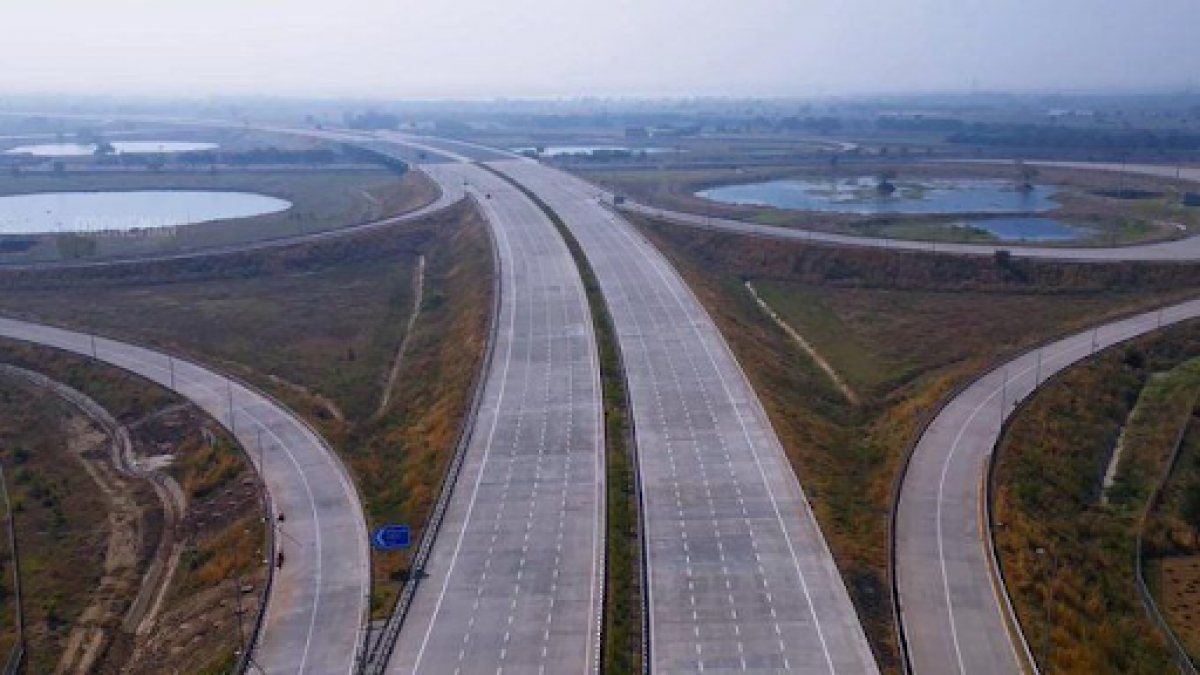
The Maharashtra government has cleared a significant expansion of its long-planned flyover on the Pune–Solapur Highway, extending the structure from Bhairobanala to Yavat. The move, approved by the state’s Infrastructure Committee, aims to decongest one of the region’s most burdened transport corridors and improve mobility for rapidly growing suburban settlements along the route.
Officials familiar with the decision said the flyover will now span 39 kilometres, roughly 4.5 kilometres longer than initially proposed. The project retains its earlier budget of ₹5,262 crore and will continue to be developed through the Maharashtra State Road Development Corporation under a Build-Operate-Transfer model. Once operational, tolls will be levied on all vehicles, with the contractor expected to complete construction within three years of receiving the work order. The stretch between Hadapsar and Yavat has struggled with rising traffic volumes for years, driven by fast-paced urbanisation, industrial activity, and the daily movement of workers between Pune city and its expanding eastern peripheries. A senior transport department official noted that shifting the flyover’s starting point to Bhairobanala would help disperse bottlenecks that routinely spill into adjoining residential zones. “The aim is to streamline long-distance traffic while improving safety for communities living along the highway,” the official said.
Urban planners describe the project as an opportunity to rethink mobility along the corridor, especially as the Pune Metropolitan Region expands towards the Solapur side. They emphasise that large infrastructure should increasingly consider carbon-efficient mobility, inclusive road design, and resilience to future growth. While a flyover delivers faster throughput for vehicles, experts caution that long-term congestion relief also depends on public transport investment and safer infrastructure for non-motorised users. Without this balance, they warn, the benefits may be short-lived. MSRDC has been tasked with land acquisition, a process expected to determine the project’s pace. Industry observers say transparent and community-sensitive land procedures are now essential for infrastructure in densely populated peri-urban pockets, where livelihoods, small businesses, and housing clusters sit directly along the highway. Ensuring equitable outcomes, they argue, is vital for building citizen trust.
Commuters along the corridor largely welcome the move, anticipating shorter travel times and more predictable journeys. However, some local groups have expressed concerns about future toll rates and their impact on daily travel costs. State officials have indicated that tolling norms will follow established guidelines and will be disclosed before the project becomes operational. As Pune continues its eastward expansion, the extended flyover represents an important effort to modernise regional mobility. Yet, its long-term success will depend on how well it integrates with broader goals safer roads, accessible transport choices, and an urban growth model that supports sustainable, equitable development.
Pune Extends 39 Km Highway Flyover To Yavat To Ease Chronic Congestion