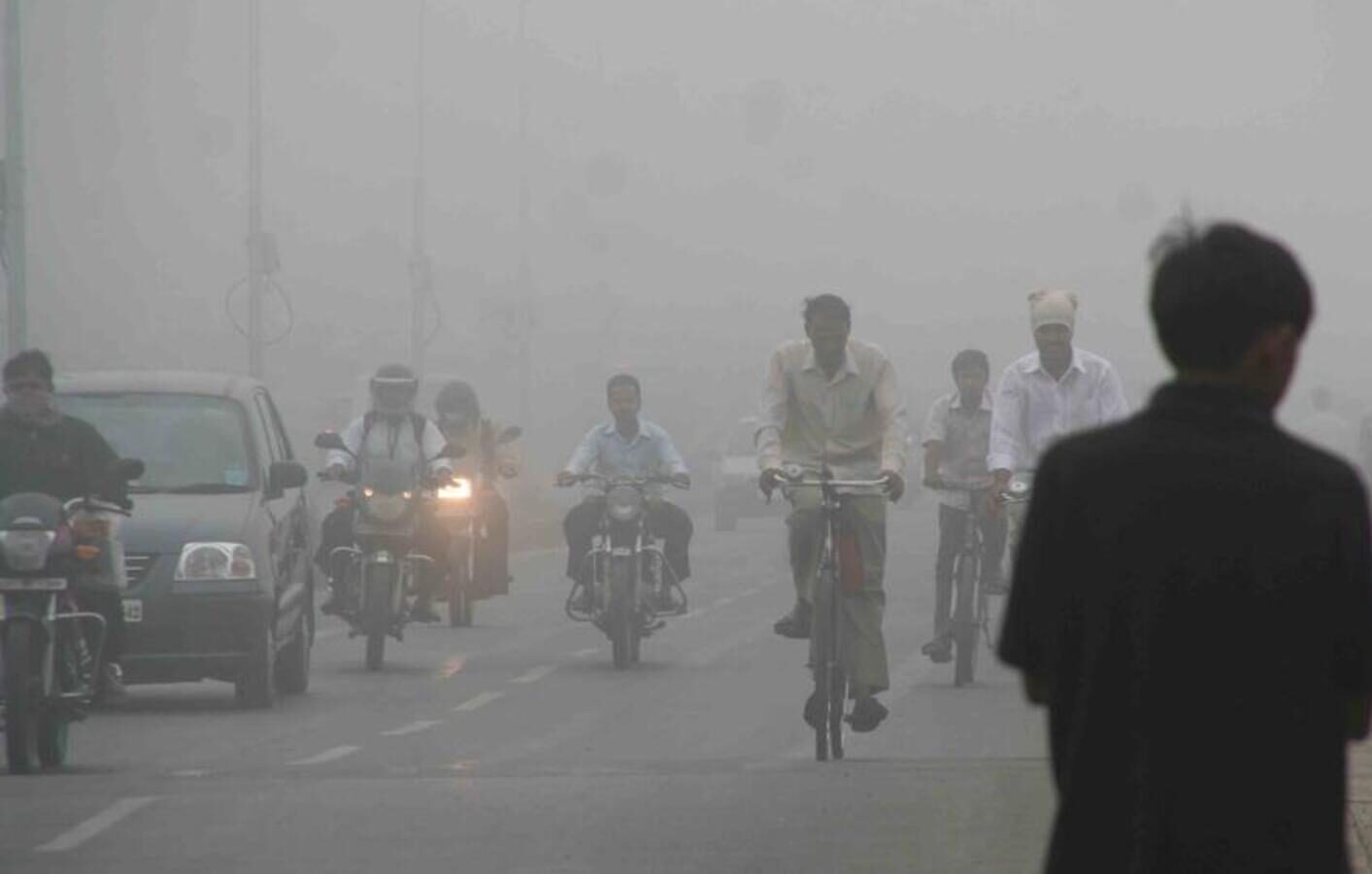
Pune has registered its coldest first half of December in ten years, with a series of nights dipping into single-digit temperatures, raising questions about urban climate patterns and resilience in the city. According to meteorological officials, this significant overnight cooling occurred even as daytime temperatures remained moderate, highlighting the city’s growing day–night temperature contrast.
Data from the India Meteorological Department (IMD) indicate that from December 1 to 15, Pune’s average minimum temperature stood at 10.66°C, the lowest in a decade for this period. Notably, between December 9 and 15, residents experienced seven nights with temperatures dropping below 10°C a frequency unprecedented in recent memory. The coldest night was December 11, when the thermometer fell to 7.9°C. Other single-digit nights included 8.9°C (December 9), 8.4°C (December 10), 8.3°C (December 12), 8.8°C (December 13), 9.4°C (December 14), and 9°C (December 15).
Urban climatologists attribute this unusual chill to persistent northerly and northwesterly winds, largely clear skies, and low humidity that allowed rapid radiational cooling after sunset. A senior IMD official noted that a strong anti-cyclonic circulation over Gujarat pushed cold, dry air across central India, including Maharashtra. “With minimal atmospheric moisture and clear nights, heat escaped quickly after sunset, producing unusually cold mornings despite relatively warm days,” the official explained.
Experts also observed that daytime temperatures remained in the 29–30°C range, contributing to a pronounced diurnal variation. Comparisons with past years underscore the anomaly: five single-digit nights were recorded in 2016, two in 2022, and only one night each in 2018 and 2024 during the same period. The cold spell has wider implications for urban management, particularly in energy use, public health, and infrastructure resilience. Increased demand for heating in households and public spaces could strain local energy systems, while vulnerable populations, including the elderly, may face higher exposure to cold-related health risks. Urban planners suggest that incorporating climate-responsive design, green cover, and passive cooling and heating solutions can help cities like Pune adapt to increasing variability in local temperatures.
While global meteorological discussions link extreme cold events to phenomena such as polar vortex shifts or sudden stratospheric warming, IMD officials caution that no conclusive link exists for Pune’s current conditions. Slight warming is expected in the coming days as easterly tropical winds resume influence and the anti-cyclonic system weakens.Pune’s cold spell serves as a reminder of the need for cities to integrate adaptive strategies for extreme weather while maintaining sustainable and equitable urban living environments.
Pune Experiences Coldest December Nights In A Decade With Record Low Temperatures