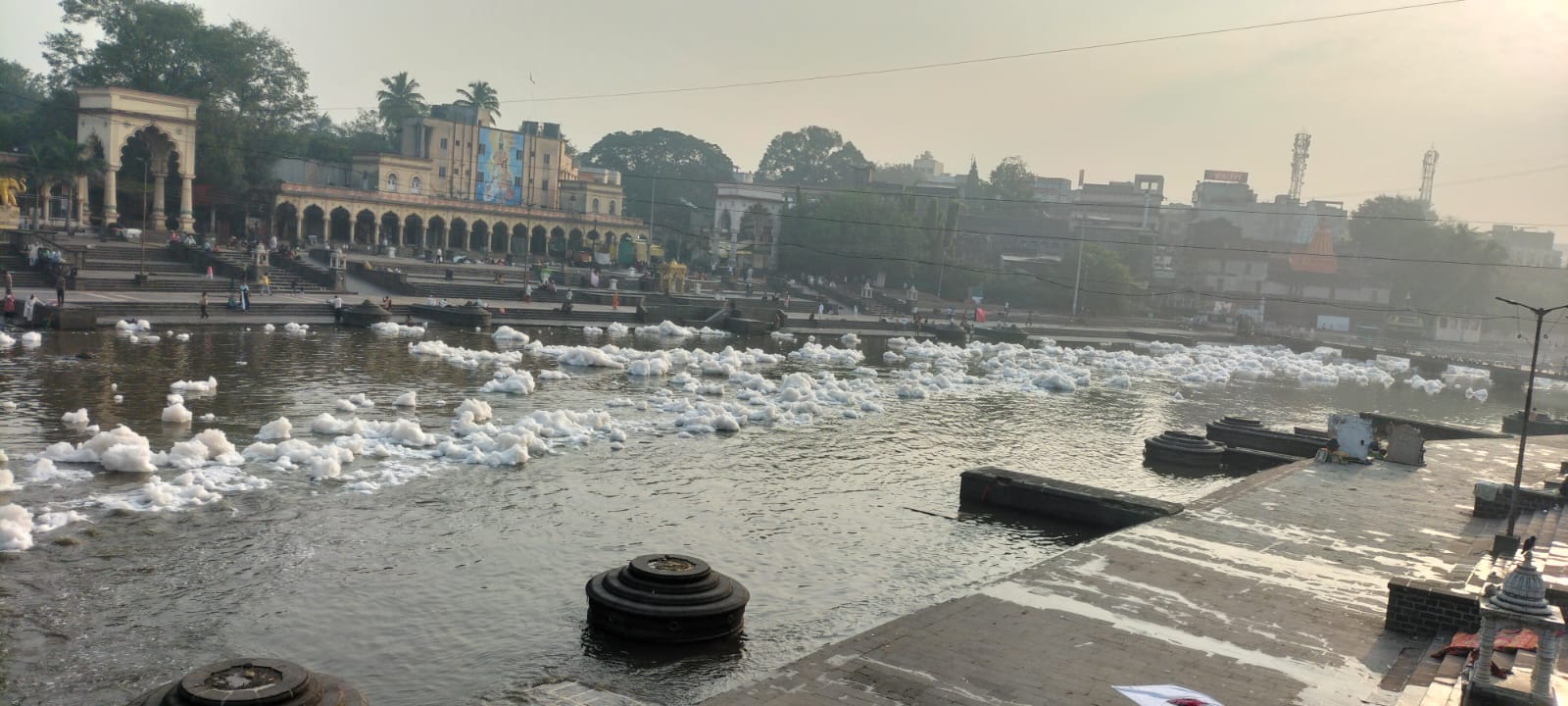
Pune authorities have levied a Rs10 lakh penalty on a private developer following the discovery of construction debris illegally dumped on the riverbed near the city’s central districts. The action highlights the ongoing challenges urban areas face in managing construction and demolition waste, with potential environmental and civic consequences.
The municipal corporation has simultaneously directed regulatory bodies overseeing slum redevelopment and construction projects to intervene. Officials ordered a stop-work measure at the site from which the debris originated, signalling stricter oversight for compliance with waste management norms. Senior municipal officials have indicated that criminal proceedings may be initiated against those responsible, while monitoring of river-adjacent areas is set to intensify. The city administration is also drafting a comprehensive debris management policy, which will include standard operating procedures for handling, transporting, and disposing of construction waste. Plans are underway to establish ten dedicated waste management centres across Pune, each to be staffed and secured, ensuring that scientific disposal practices are followed and nearby communities are protected from environmental hazards.
Urban planners note that improper dumping of construction and demolition waste poses both ecological and civic risks. Blocked riverbeds can alter natural water flows, increasing the likelihood of flooding during the monsoon season. Additionally, unregulated disposal contributes to soil and water contamination, affecting local biodiversity and public health. From an economic perspective, repeated riverbed obstruction can raise the cost of urban flood management and river rehabilitation projects. The latest crackdown follows widespread circulation of photographs on social media showing debris dumped near key city landmarks, prompting civic intervention. This incident underscores the broader urban governance challenge of integrating rapid real estate development with environmentally sustainable practices. Experts suggest that cities experiencing construction booms must reinforce enforcement frameworks, incentivise responsible waste disposal, and develop infrastructure that reduces reliance on informal dumping practices.
Municipal officials emphasise the importance of accountability among field inspectors responsible for monitoring construction zones and riverfront areas. Strengthened regulatory frameworks, combined with community vigilance, are expected to reduce the recurrence of illegal dumping. As Pune continues to expand its built environment, the city’s approach to construction waste management could serve as a model for other urban centres facing similar challenges. Ensuring sustainable urban growth, climate resilience, and protection of water bodies remains a priority for municipal authorities, highlighting the intersection of environmental stewardship and responsible urban infrastructure planning.