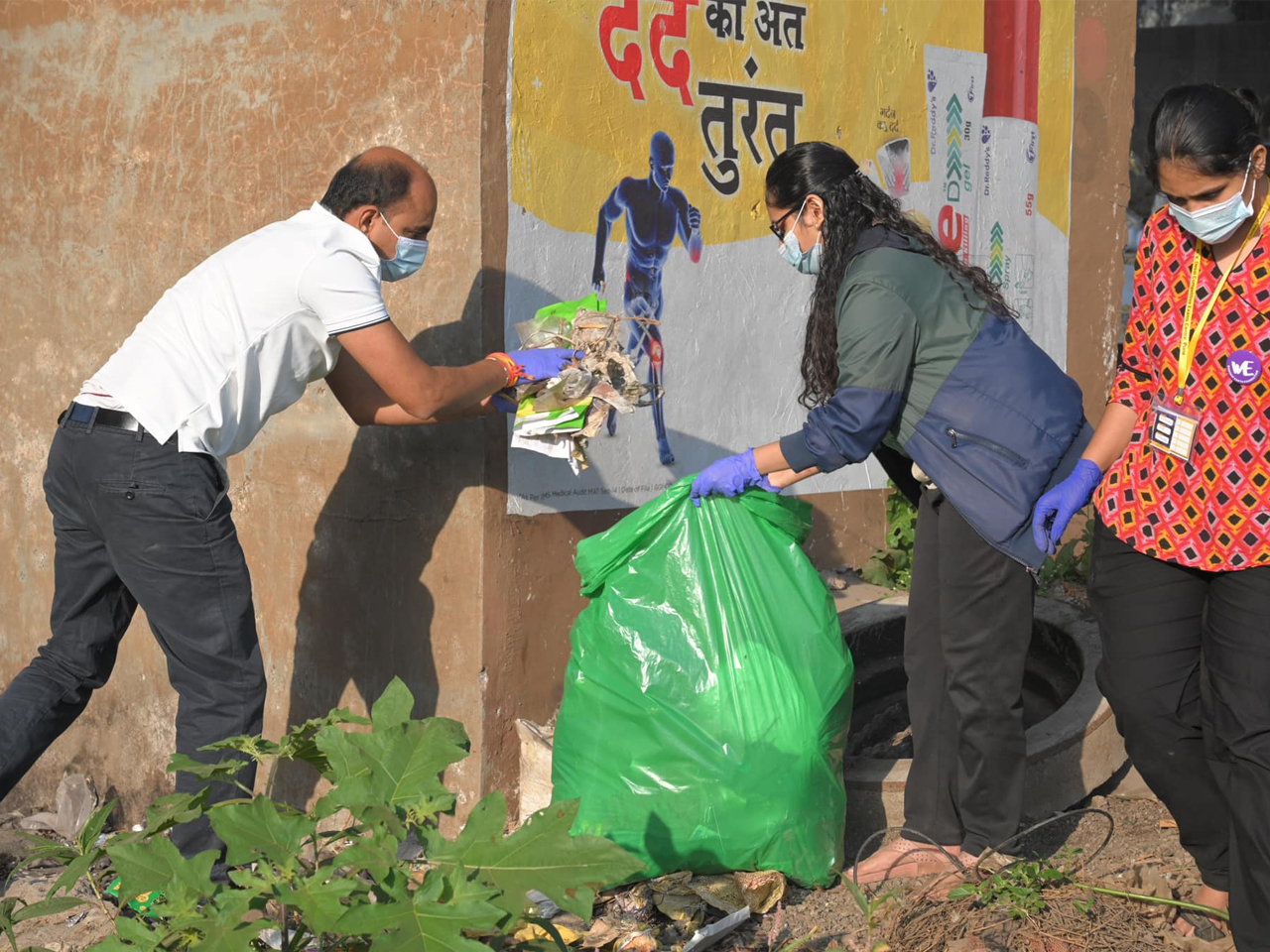
Pune Ecology Groups Lead My River My Valentine Drive
On Valentine’s Day, environmental advocates in Pune took an unconventional path to draw attention to urban river health by organising a “My River, My Valentine” river-cleaning initiative and voicing opposition to the city’s ambitious Riverfront Development (RFD) project. The event, which saw citizens mobilising along the Mula-Mutha river near Bhide Bridge to remove waste and highlight pollution concerns, underscores rising civic frustration with infrastructure projects that critics say prioritise aesthetics over water quality and ecological restoration.
Speakers at the gathering emphasised that river cleanliness should be an urgent public priority and not an afterthought to developmental grand plans. For them, the Mula-Mutha and its tributaries — which run through Pune’s urban core — have been subjected to decades of untreated sewage, industrial effluents and waste dumping, reducing water quality and degrading the natural ecosystem. Activists argue that these foundational environmental challenges must be addressed before investing in riverfront beautification, which they contend risks becoming “cosmetic” if not paired with comprehensive water restoration measures.The Pune Municipal Corporation (PMC) has defended the multi-phase RFD project, which spans about 44 km of riverbank and includes walkways, recreational amenities and public access spaces. Local authorities say that legal and expert clearances have been obtained and that the project remains essential to unlocking new urban public spaces along the river. The first 1.5 km stretch in Sangamwadi is scheduled to open imminently as part of a phased rollout.
Yet public opposition to the RFD model has been building for years. Prior civic actions — from human chains to protests on riverbeds — have decried the focus on embankments and concrete installations without adequate investment in sewage treatment infrastructure or restoration of natural floodplains. Environmentalists and community groups argue that the current approach could narrow river channels, disrupt aquatic habitats and fail to reduce pollution at the source, increasing flood risk and ecological stress in the medium term.Urban planners see this civic-environmental contention as symptomatic of broader shifts in how Indian cities negotiate urban infrastructure, ecological resilience and cultural identity. Riverfront projects across the country have historically straddled two objectives: reclaiming neglected waterways as vibrant public spaces and restoring degraded ecosystems. Municipal authorities say Pune’s RFD initiative endeavours to balance these aims by blending ecological elements with urban infrastructure, including planned sewage treatment expansions under joint central-state support frameworks.
Critics of the project, however, stress that true river resilience must come from improved wastewater treatment, pollution control at the source, community stewardship and floodplain conservation. They assert that beautification without upstream ecological remediation can mask deeper issues and allow water quality deterioration to persist. As citizens continue periodic clean-ups and advocacy events like “My River, My Valentine,” civic engagement around river health is emerging as a key touchstone in Pune’s development narrative — one that city officials and planners will need to address more holistically if infrastructure goals are to align with environmental sustainability and resilient urban growth.