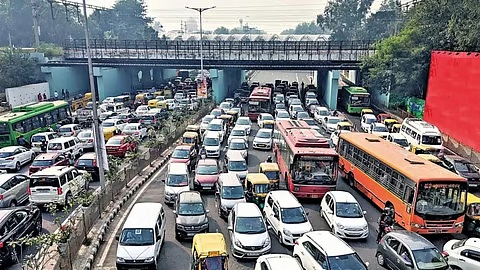
Pune’s municipal authorities have initiated a significant clearance drive along two critical East Pune corridors, removing shops, temporary stalls, and unauthorised structures that have narrowed carriageways and obstructed traffic flow. The stretches, linking Mundhwa Tadi Gutta to Hadapsar railway station and onwards to Tulsi Hall, have long been bottlenecks, hampering commuting efficiency and pedestrian safety. Officials said the operation aims to secure land for road widening and ensure sustainable traffic management in a rapidly growing urban area.
Urban planners note that East Pune has witnessed increasing commercial density, often encroaching onto roads and footpaths. The resulting congestion not only elevates travel times but also raises risks for pedestrians and two-wheeler commuters, particularly in corridors that connect residential, transit, and commercial hubs. By reclaiming public space, the municipal corporation is attempting to balance urban mobility needs with safety considerations, while also preparing for long-term infrastructure upgrades that align with broader city planning objectives.
During the enforcement operation, residents and traders were given notices to vacate illegally occupied land. In cases where voluntary compliance was not forthcoming, civic teams executed controlled demolitions with police support to maintain law and order. Authorities emphasised that the reclaimed land is now being formally measured and recorded to prevent future encroachments, reflecting a systematic approach rather than ad hoc clearance. Experts in urban development highlight that such interventions have cascading effects on local economies and property markets. Roads that remain narrowed due to encroachments often deter investments, limit emergency vehicle access, and reduce overall transport efficiency. Conversely, regulated and widened corridors can improve connectivity, support commercial growth, and reduce vehicle emissions by alleviating stop-start traffic conditions a key consideration in climate-conscious city planning.
While some traders have voiced concerns over livelihood impacts, municipal officials stress that the measure serves broader civic interests. Urban mobility specialists suggest complementary measures such as dedicated vending zones, streamlined permit systems, and regular monitoring to prevent recurrence, promoting an inclusive and resilient approach to urban governance. The clearance drive is expected to continue in phases, forming part of a comprehensive East Pune road infrastructure plan. With these corridors cleared, the city can anticipate smoother traffic flows, safer pedestrian access, and more predictable urban development patterns, aligning with Pune’s ongoing efforts to modernise infrastructure while supporting equitable growth and sustainable mobility.