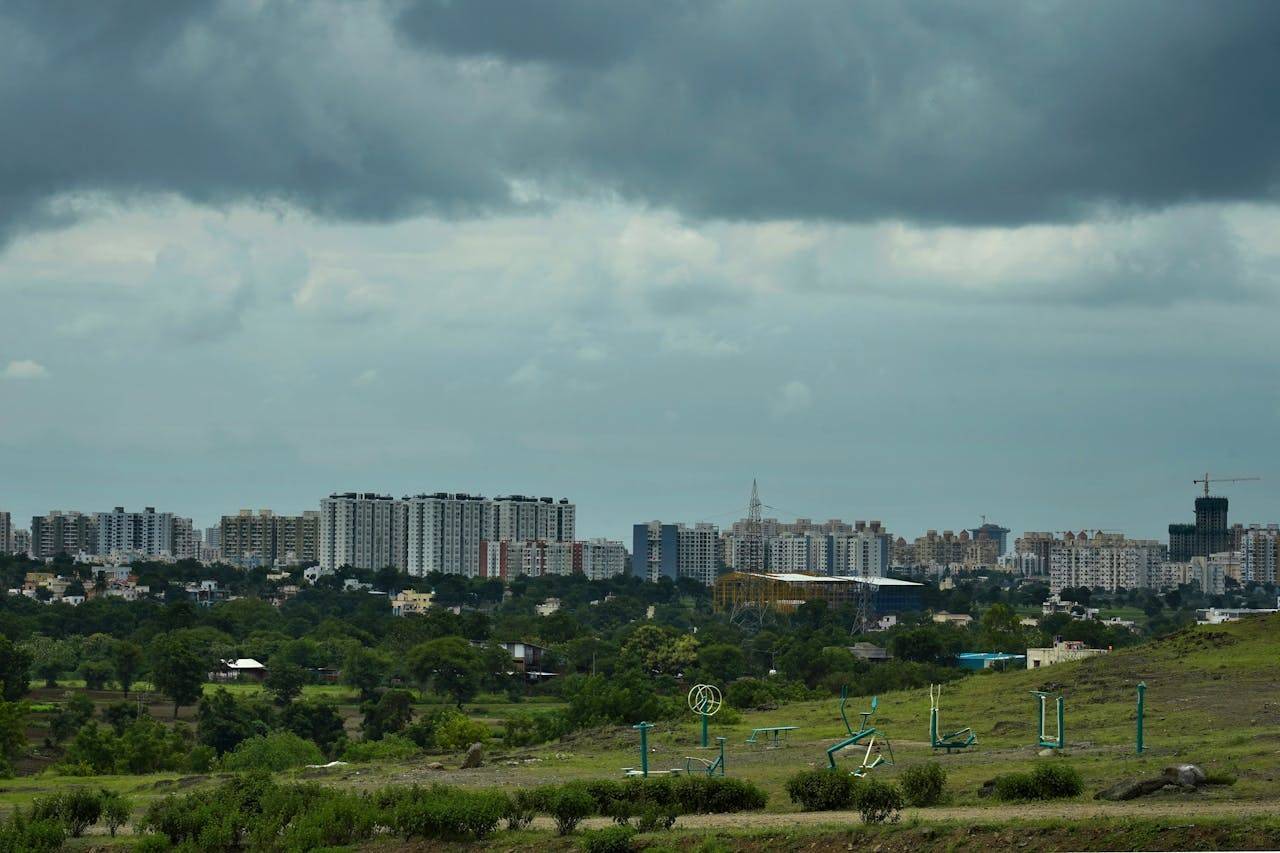
Pune is consolidating its position within India’s evolving Tier 2 property boom, as infrastructure upgrades, industrial diversification and sustained migration reshape housing demand patterns in 2026. While cities such as Surat and Nagpur continue to attract investor interest, market data suggests Pune is transitioning from a peripheral alternative to a primary growth engine in western India’s residential landscape. Rising prices in Mumbai and tighter inventory across major metros have redirected both end-users and developers towards Pune’s expanding urban corridors.
Industry analysts tracking registrations and new project launches indicate that the Tier 2 property boom in Pune is being led by employment clusters in IT, manufacturing and education. The Hinjawadi and Kharadi belts, along with emerging zones along the ring road and metro corridors, are witnessing steady absorption of mid-income and premium housing stock. Infrastructure expansion is a central factor. The metro network rollout, upgrades to arterial roads and improvements in regional connectivity are altering commuting patterns and unlocking new residential pockets. Urban planners argue that such transport-led growth reduces pressure on the historic core while enabling more balanced spatial development.
At the same time, Pune’s industrial ecosystem spanning automotive manufacturing, logistics parks and technology campuses continues to generate stable employment. Migration from smaller towns across Maharashtra and neighbouring states is sustaining rental demand and encouraging compact housing formats. Compared with Mumbai, entry-level home ownership in Pune remains relatively accessible, reinforcing its appeal among first-time buyers.
However, the Tier 2 property boom narrative is not without risks. Rapid construction activity has placed pressure on water resources, waste management systems and peri-urban agricultural land. Environmental experts note that unless infrastructure growth is synchronised with ecological safeguards, quality-of-life gains could be diluted.
Developers are responding by incorporating energy-efficient building designs, integrated townships and mixed-use formats that reduce travel dependency. Financial institutions report stronger mortgage enquiries from salaried professionals, suggesting that demand is anchored in end-user purchases rather than speculative flipping. Urban economists say Pune’s trajectory illustrates how Tier 2 cities can mature into balanced economic centres when industrial growth, education hubs and connectivity investments align.
The city’s expanding metro footprint and planned ring road projects may further redistribute growth towards outer zones, moderating price spikes in established neighbourhoods. As India’s real estate cycle broadens beyond legacy metros, Pune’s inclusion in the Tier 2 property boom underscores a structural shift rather than a short-term surge. The next phase will depend on governance capacity, infrastructure execution and the ability to embed climate-resilient planning into fast-growing districts. For now, Pune’s combination of employment depth, infrastructure momentum and relative affordability positions it as one of the most closely watched urban markets in 2026.
Pune Drives Maharashtra Housing Growth