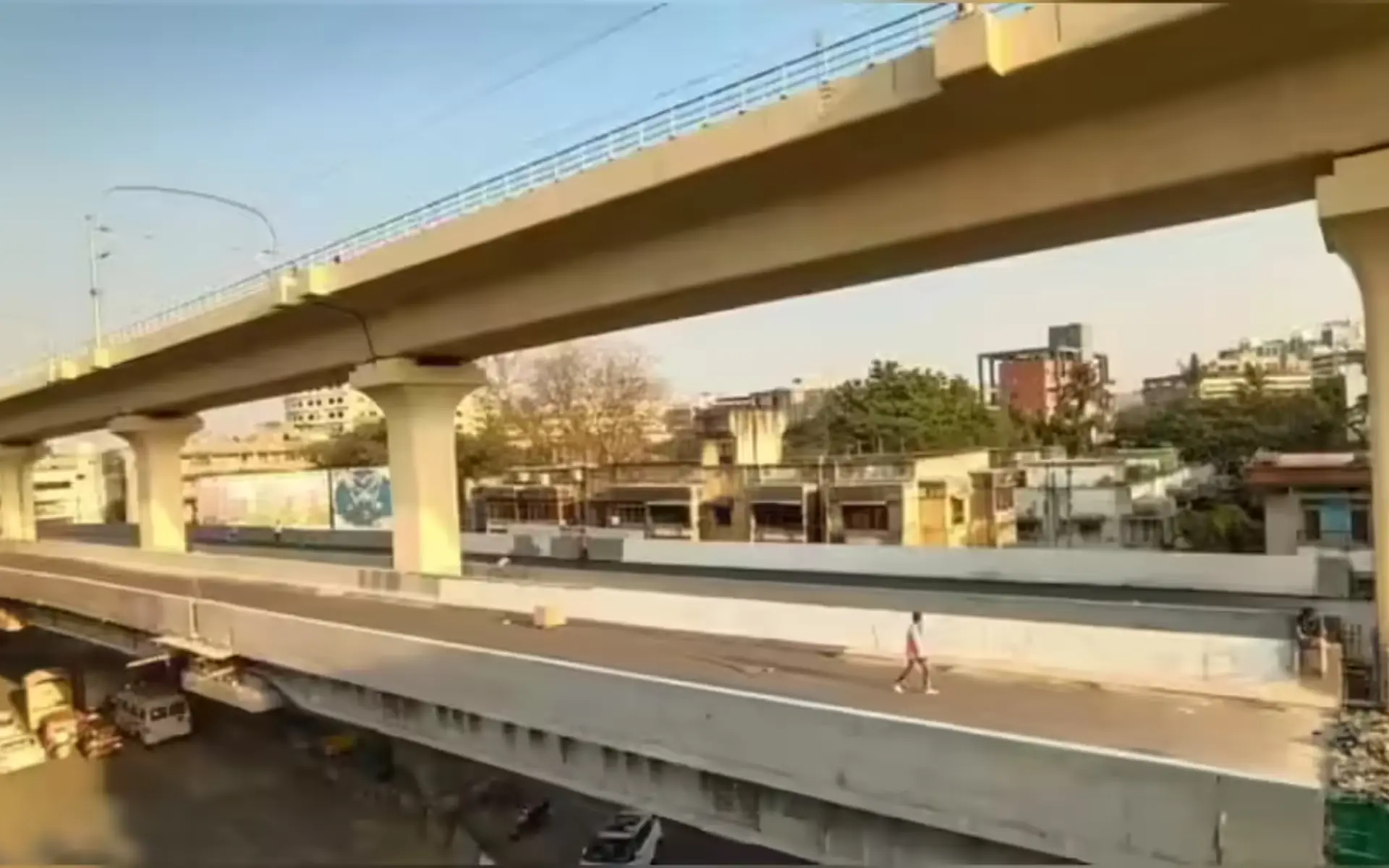
Pune Double Decker Bridge Boosts Urban Connectivity
Pune is entering a new phase of integrated transport infrastructure with the development of a Pune double decker bridge near the Savitribai Phule Pune University junction, a project designed to combine road traffic and metro connectivity within a single structure. The initiative aims to ease chronic congestion along one of the city’s busiest corridors while improving mobility between major employment and residential hubs in western Pune.
The 1.7-kilometre structure forms part of the larger Hinjewadi–Shivajinagar Metro corridor and has been built as an integrated design with vehicular flyovers on the lower level and metro infrastructure above. Urban mobility planners say this approach represents a space-efficient solution for dense city corridors where expanding road width or acquiring additional land can be extremely difficult.Located at the busy University Chowk intersection, the project is intended to streamline traffic movement across key routes linking Aundh, Baner, Pashan and Shivajinagar—areas that experience some of the heaviest daily commuting volumes in Pune. Early phases of the flyover have already opened to motorists, with additional ramps being introduced gradually to ease pressure on Ganeshkhind Road and surrounding arterial routes.
Transport officials note that the Pune double decker bridge has been engineered with multiple ramp connections to distribute traffic efficiently across different directions. These include dedicated entry and exit ramps for vehicles travelling between Baner, Aundh, Pashan and the central city corridor toward Shivajinagar. The design also includes a specialised steel girder span at the junction to ensure uninterrupted traffic flow beneath the structure.Beyond traffic relief, the project illustrates a broader shift in how Indian cities are planning transport infrastructure. Instead of constructing separate road and rail corridors, planners are increasingly exploring multi-level structures that integrate metro systems with road networks. This approach allows cities to optimise limited urban space while expanding mass transit capacity.
The development is also closely tied to the expansion of Pune Metro Line-3, which will connect the technology hub of Hinjewadi with the central Shivajinagar district through a 23-kilometre elevated corridor. Once fully operational, the metro line and the Pune double decker bridge are expected to work together to improve travel efficiency across western Pune’s rapidly growing IT and residential zones.Urban planners say projects of this nature could play an important role in shaping more sustainable mobility systems. By integrating road infrastructure with high-capacity public transport, cities can reduce congestion, shorten travel times and potentially cut fuel consumption and vehicular emissions in high-traffic areas.However, experts also emphasise that infrastructure projects must be complemented by broader urban planning measures, including improved pedestrian access, last-mile connectivity and public transport integration.
As Pune continues to expand as a major technology and education hub, multi-level infrastructure solutions like the Pune double decker bridge may increasingly define how the city addresses the dual challenges of rising traffic demand and limited urban land.