


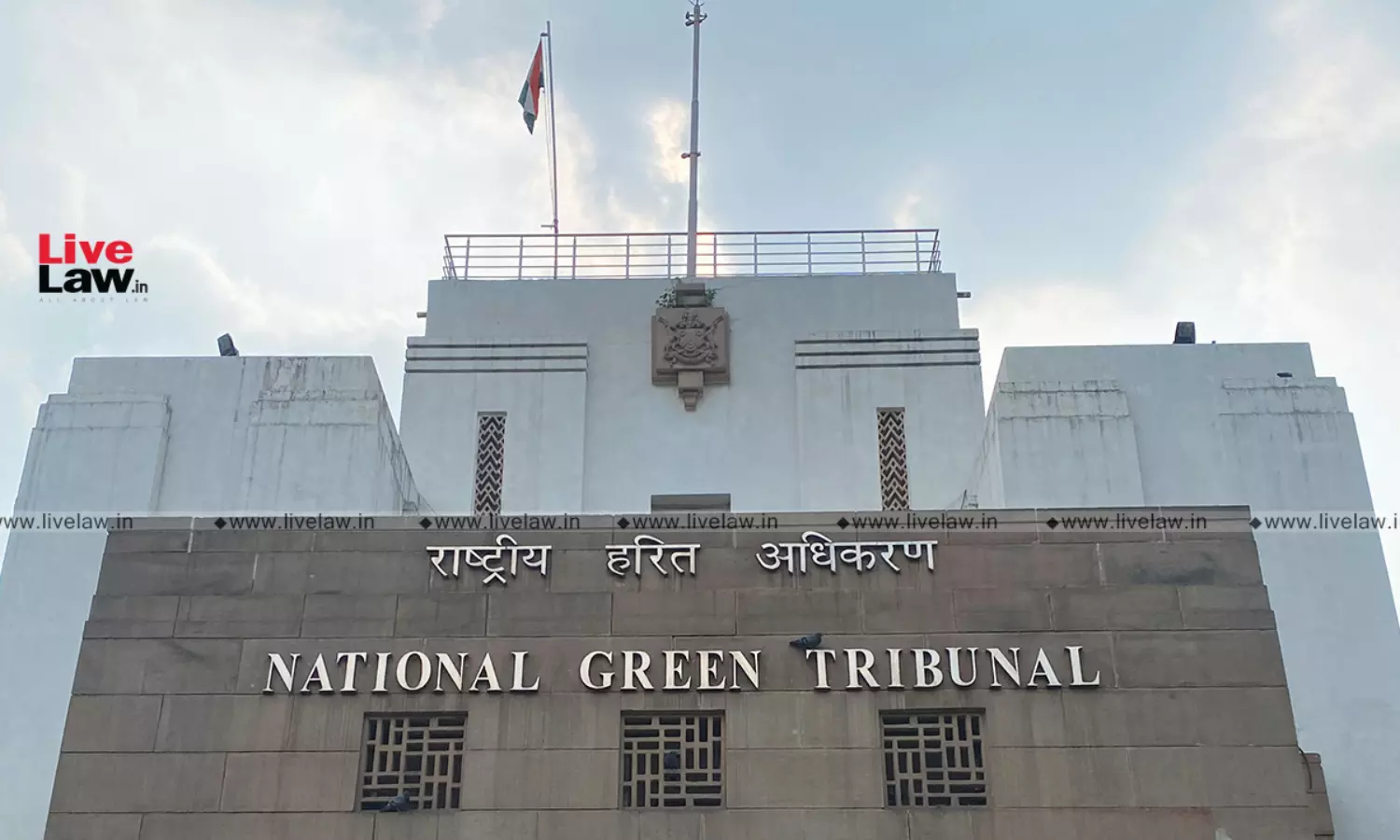
The National Green Tribunal’s western zone bench has served notices to the Pune Collector, MPCB, GSDA, and CGWB following a petition alleging widespread groundwater extraction in Pune without appropriate authorisation and monitoring systems. The tribunal has demanded responses within four weeks, prompting renewed scrutiny of urban water governance and regulation in the rapidly expanding city.
This action follows legal intervention by an environmental advocate who claimed that several construction and water-consuming entities in Pune continue to extract groundwater without Central Ground Water Authority permits or in breach of conditions tied to approved No Objection Certificates. The petition specifically cited the lack of observation wells (piezometers) and the failure to submit annual groundwater quality data—critical tools for tracking water table levels and contamination in an urbanising landscape. Environmental law experts describe the NGT’s move as a pivotal moment in enforcing groundwater governance. By calling out not just unauthorised extraction but also procedural non-compliance, the tribunal highlights systemic gaps in regulation. Without onsite monitoring wells, authorities lack visibility into pumping depths and rates—a concern in a city witnessing rapid residential and industrial expansion.
Officials at the MPCB and GSDA have been tasked with explaining why monitoring infrastructure was not installed despite guidelines. These observation wells, mandated in urban and peri-urban zones, act as early-warning systems for aquifer stress and contamination. Their absence impedes the ability to detect overdrawing or pollutants leaching into underground water—a pressing public health concern. Similarly, failure to submit annual water quality reports undermines transparency. Such documentation is crucial to identify trends in salinity, heavy metals, nitrates and biological contaminants, particularly as peri-urban zones intermix with agriculture and informal settlements. Experts warn that persistent oversight could expose residents to health hazards through contaminated drinking water.
For Pune—a city already under pressure from frequent water crises and seasonal shortages—this notice raises deeper questions about equitable and sustainable water access. Residents in northern and eastern fringes have reported declining borewell levels for years, signalling depletion in aquifers as surface supply dries up. Critics argue that unchecked commercial drawdown compounds inequity, as municipal water supplies remain unreliable. The tribunal’s four‑week deadline requires authorities to either justify non‑compliance or present rectification plans. This window offers a pathway for public accountability. Environmental NGOs and citizen’s groups are now pushing for transparent reporting on the state of aquifers, extraction volumes, and remedial measures. One civic activist commented that “data must be made public so communities can participate in water governance”—underscoring a growing demand for inclusive, data-driven oversight.
Legal analysts note that this action aligns with the NGT’s broader jurisprudence, which increasingly views groundwater as a public trust resource. By enforcing compliance with CGWA norms, the tribunal signals that administrative inertia will no longer be tolerated. They expect this ruling could set a precedent for other urban districts facing similar extraction pressures. However, implementation challenges remain. Installing piezometers can be technically complex and costly, requiring coordination across municipal departments. Authorities may need to deploy remote sensing along with manual borewell monitoring to map extraction hotspots. Experts suggest integrating land‑use planning as part of a wider urban watershed strategy to reduce dependence on aquifers and shift demand toward treated surface water and rainwater harvesting.
This episode also intersects with Pune’s aspirations to become an ecologically sustainable city. Groundwater plays a vital role in urban greenery, climate resilience, and buffer against seasonal drought. Failure to regulate extraction undermines efforts to create equitable, low‑carbon urban environments that support both formal neighbourhoods and informal settlements. With India’s urban per capita water use and sewage generation climbing, experts assert that water governance must move beyond infrastructure to focus on regulation, monitoring, and public enforcement. The NGT’s notice to Pune may thus trigger a shift toward governance frameworks that balance growth with conservation—a necessary pivot for cities facing mounting water scarcity.
The tribunal’s actions are neutral, but they could pave the way for a deeper transformation in civic water management. If Pune authorities respond with detailed compliance timelines, and if monitoring infrastructure is scaled up quickly, the city may turn a corner in groundwater governance—helping build a healthier and more sustainable urban future.
Also Read : Mumbais Prabhadevi Temple Area To Get Urban Infrastructure Boost
