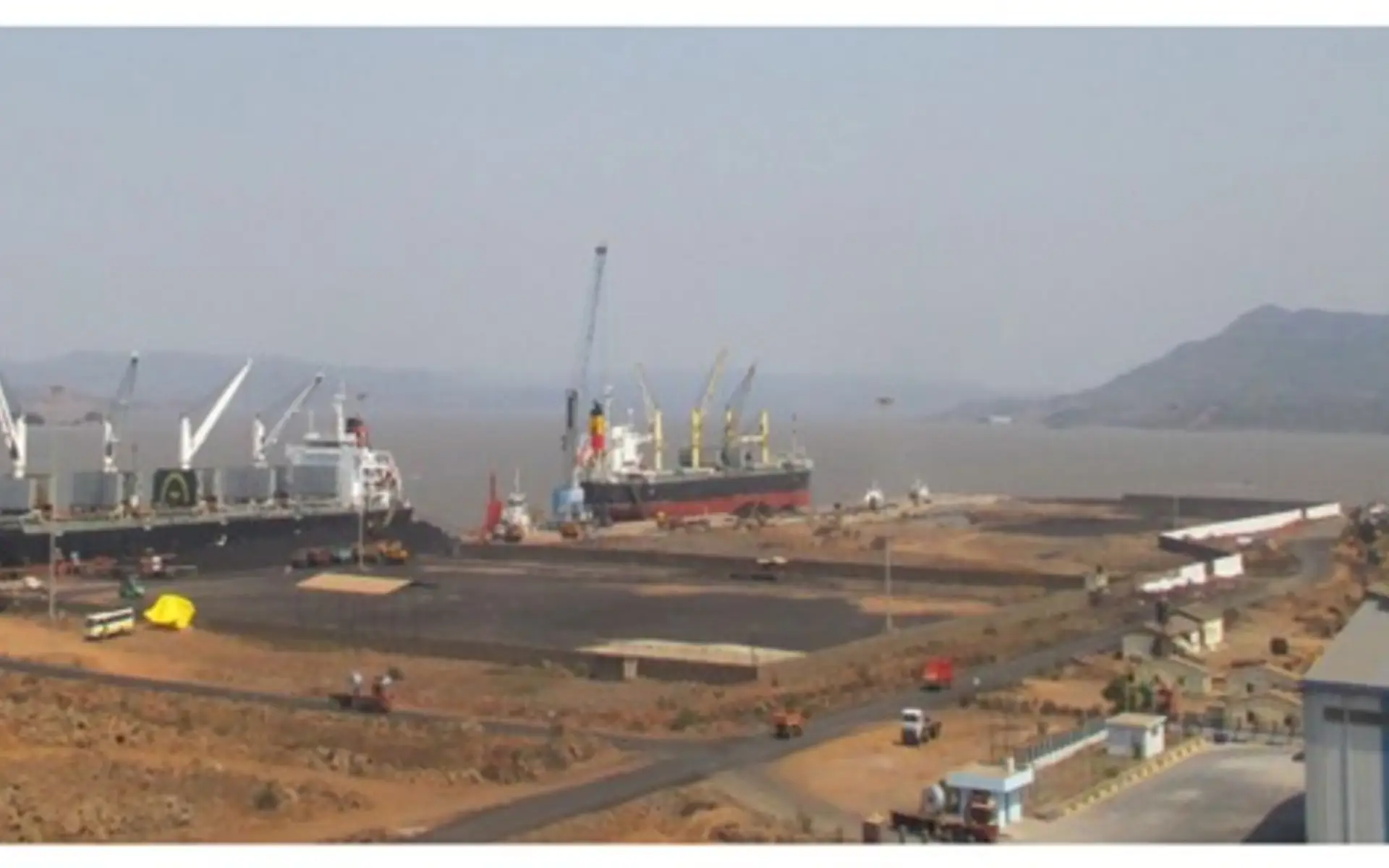
Pune is evaluating two new transport corridors that could significantly shorten the road distance between the city and Dighi Port in Raigad district, a move seen as critical to easing congestion and strengthening regional logistics infrastructure. The proposed alignments, currently under inter-departmental review, aim to reduce the existing travel stretch by 30 to 50 kilometres. For a city positioning itself as a manufacturing and services hub, improving the Dighi Port connectivity is emerging as both an economic and urban planning priority.
At present, freight and passenger vehicles largely depend on the Tamhini Ghat route linking Mulshi to the Konkan belt. While the ghat has supported tourism and trade over the past decade, weekend bottlenecks and rising heavy vehicle movement have strained the corridor. Urban mobility experts note that a single high-dependency mountain pass is increasingly incompatible with projected cargo growth from the port. One alignment under discussion involves a bridge section near the Mulshi–Tamhini stretch and a tunnel through a hilly patch beyond Dongarwadi. Officials familiar with the planning process indicate that this option could trim approximately 30 kilometres from the current route.
Beyond time savings, planners say a shorter alignment would reduce diesel consumption and lower per-trip logistics costs a key metric for exporters using the port. A more ambitious corridor proposes linking Mangaon to Pune via Kumbhe, Ghol and Panshet. Portions of roadwork and a tunnel segment in Raigad district are already complete. However, a seven-kilometre gap straddling Raigad and Pune districts remains unresolved due to administrative coordination issues. If completed, this second alignment could cut nearly 50 kilometres from the journey, materially altering freight economics in western Maharashtra.
Infrastructure analysts suggest that improved Dighi Port connectivity could influence warehousing patterns around Pune’s industrial belts, including Talegaon and Chakan, where demand for Grade A logistics parks has grown steadily. Reduced travel distance often translates into faster cargo turnaround and lower carbon intensity per tonne-kilometre an increasingly relevant benchmark as cities pursue climate resilience targets. The proposals also come amid heightened weather sensitivity in the Western Ghats. Tamhini recorded exceptionally high rainfall during the last monsoon, underscoring the vulnerability of single-corridor mobility systems in ecologically fragile zones. Diversified access routes could enhance disaster resilience and maintain supply chain continuity during extreme weather events.
Urban planners caution that any expansion through forested terrain must be aligned with environmental safeguards and slope stability assessments. Tunnel engineering, drainage design and biodiversity offsets will likely determine the long-term sustainability of these corridors. For Pune, the debate extends beyond distance reduction. The outcome could shape freight flows, peri-urban growth and the city’s ability to balance economic expansion with environmental stewardship. Administrative coordination between districts will be decisive in determining whether these proposals transition from paper to pavement.
Pune Dighi Port Road Plans Advance