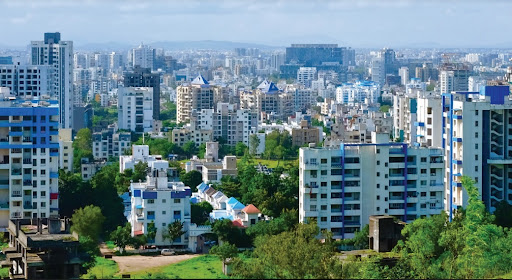
Pune’s residential market has received a short-term stimulus as Mantra Properties unveiled a 45-day zero cost housing campaign aimed at simplifying the financial structure of home purchases. The initiative, running from mid-February to the end of March across its ongoing projects in the city, reflects a broader industry attempt to address buyer hesitation without formally reducing base prices.
Under the scheme, several common transaction-linked charges including goods and services tax components, floor rise premiums, select administrative costs and certain processing fees are being absorbed or rationalised within the overall pricing framework. The zero cost housing structure is intended to present buyers with a consolidated figure rather than a layered cost sheet that often inflates the perceived acquisition burden. Senior executives at the developer indicated that pricing opacity can deter otherwise ready buyers, particularly in a market where end users carefully evaluate total outflows before committing. By streamlining add-on charges, the company aims to reduce uncertainty at the point of booking.
The zero cost housing approach also applies to projects marketed under its Burgundy brand in Pune, and extends certain benefits to existing customers and referral networks. Industry observers say such ecosystem-led strategies are becoming common in urban centres where inventory absorption remains steady but conversion timelines have lengthened. Pune’s housing market has demonstrated resilience over the past year, supported by employment growth in IT and manufacturing corridors and disciplined supply additions. However, affordability pressures persist as input costs and compliance requirements continue to shape project pricing. Developers are increasingly experimenting with structured financial interventions including subvention schemes, stamp duty support and waiver-led campaigns to maintain sales velocity while preserving headline values.
Property consultants note that while zero cost housing initiatives can improve short-term traction, buyers must examine the underlying agreement to understand how waived components are adjusted within the overall contract value. Transparent disclosures and compliance with real estate regulation norms remain critical to sustaining trust. Urban planners further highlight that long-term housing affordability cannot rely solely on promotional cycles. Broader policy measures including improved transit connectivity, higher density along growth corridors and green building integration are essential to keep Pune’s expansion aligned with climate resilience and infrastructure capacity.
As competition intensifies across micro-markets such as Wakad, Hinjawadi, Kharadi and Baner, financial clarity is emerging as a differentiator alongside location and amenities. Whether the zero cost housing model evolves into a sustained pricing trend or remains a tactical response will depend on buyer response over the coming quarter. For Pune’s homebuyers, the development underscores a shifting marketplace where predictability and transparency are becoming as influential as price in shaping purchasing decisions.
Pune Developer Introduces Zero Cost Housing