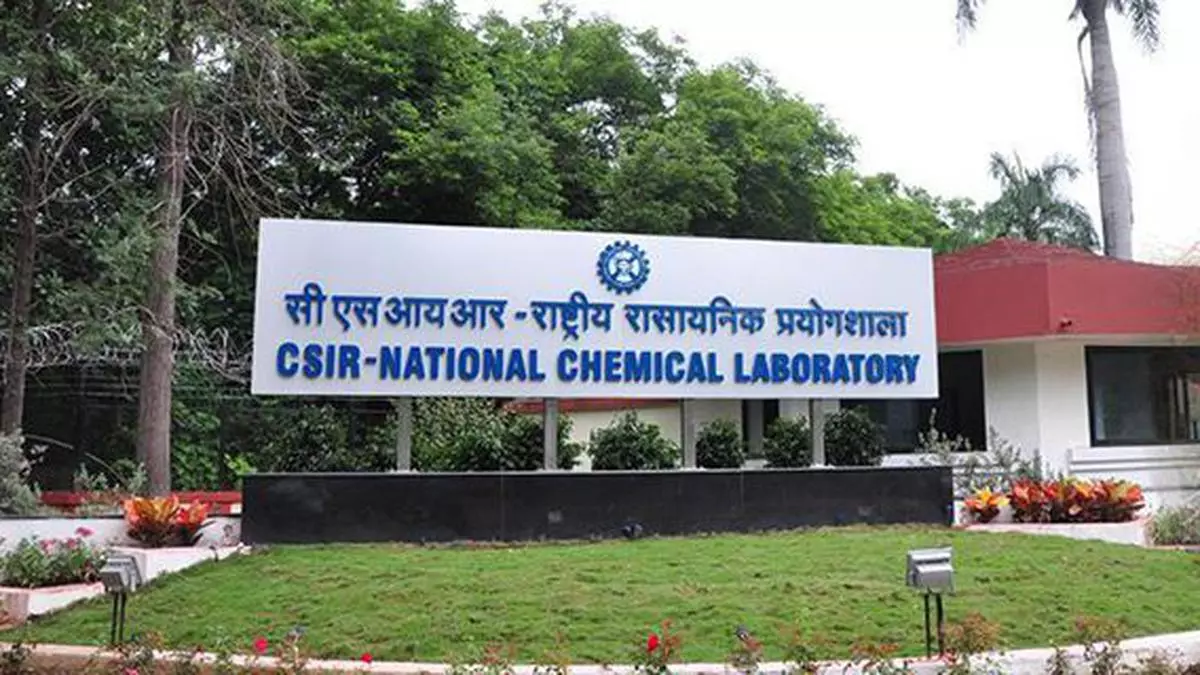
Pune CSIR To Unveil Breakthrough Rs100 Sickle Cell Test Kit Soon
Pune is preparing for the market launch of a revolutionary sickle cell anaemia screening test kit developed by the Council of Scientific and Industrial Research (CSIR) within six months, priced at less than ₹100. This highly anticipated kit, created by CSIR’s Centre for Cellular and Molecular Biology, requires just a single drop of blood. It delivers rapid PCR-based results in 30 minutes, aiming to boost accessible early diagnosis, particularly for vulnerable populations in remote areas across the country. Its introduction marks a major public health advancement for India.
India faces a significant challenge as it accounts for a substantial 14.5% of global sickle cell disease (SCD) births, with over 42,000 newborns affected in 2023 alone. Despite its serious health impact, SCD frequently remains underdiagnosed due to limited awareness, especially within rural regions. To combat this, the government’s National Sickle Cell Anaemia Elimination Mission, launched in July 2023, is actively addressing these gaps. In parallel, scientific efforts across CSIR laboratories have consistently focused on developing cost-effective point-of-care diagnostics for such diseases. Beyond diagnostics, research is also exploring advanced genome editing techniques for a potential cure, with a long-term goal to significantly reduce treatment costs from up to ₹28 crore per patient, as seen in some international contexts, to approximately ₹50 lakh through indigenous scientific advancements. The new test kit itself is expected to be readily available on the Government e-Marketplace (GeM) portal, with an estimated price ranging between ₹87 and ₹93, ensuring widespread accessibility.
The second National Scientists Round Table Conference (NSRTC) 2025 in Pune, where this kit’s launch was announced, also served as a platform to discuss broader scientific endeavors. Discussions highlighted the transformative role of Artificial Intelligence (AI) across various sectors. AI is notably enhancing energy efficiency and improving road safety through initiatives like the i-RASTE project, which aims to reduce accidents, and through AI-powered battery management systems designed to prevent thermal runaways in mobile phone batteries.
Furthermore, the economic viability of green hydrogen was a key topic, emphasizing the crucial need to reduce its cost from $3/kg to $1/kg for widespread adoption in e-mobility, with significant ongoing investments from Indian Oil in this direction. The conference concluded with a philosophical reflection on science, noting that “Science is truth, but science is also peace,” acknowledging a societal shift where today’s students are increasingly focused on creating startups and employment, fostering a silent revolution that requires nurturing. The event also included a posthumous recognition of astrophysicist Dr. Jayant Narlikar, who was conferred with the prestigious Vigyan Maharshi Award.
Across India, the impending launch of the affordable test kit represents a significant stride in public health, complementing national elimination efforts. CSIR’s broader scientific endeavors in AI and green hydrogen further underscore a commitment to innovation for societal well-being and a future driven by accessible, advanced scientific solutions.