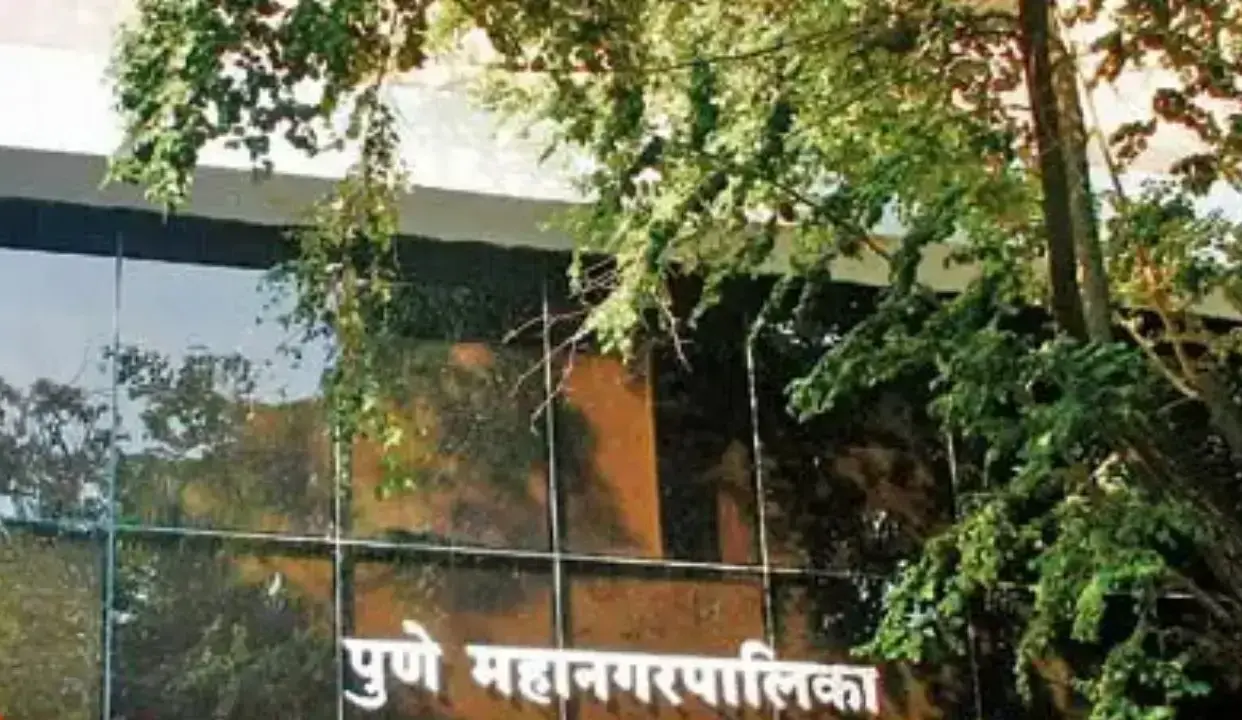
The approval of a large-scale Pune convention centre project near Lohegaon has set off a debate over land use priorities in one of the city’s fastest-growing corridors, highlighting tensions between economic ambition and the preservation of essential urban infrastructure. The proposal, cleared by the municipal general body and forwarded to the state government, is positioned as a catalyst for business tourism but faces resistance over its potential impact on civic amenities and local liveability.
Planned across nearly 40 acres near the airport zone, the Pune convention centre is envisioned as a high-capacity venue capable of hosting international exhibitions, conferences and large-scale events. Urban development officials view the project as a strategic addition that could elevate Pune’s positioning in the meetings, incentives, conferences and exhibitions (MICE) economy, which has seen growing demand across India’s secondary cities.
However, the site identified for the Pune convention centre is currently earmarked for multiple public uses under the city’s development plan, including open spaces, sports facilities, water infrastructure and parking provisions. Critics argue that repurposing such land could place added strain on an already stressed urban ecosystem, particularly in areas like Lohegaon and Viman Nagar where population density and real estate activity have surged over the past decade.
Urban planners caution that removing or diluting reservations for public amenities can have long-term consequences for social infrastructure. Access to green spaces, healthcare and mobility support systems is often limited in rapidly urbanising zones, and reallocating such land for commercial or event-driven infrastructure could exacerbate inequality in access to essential services.Traffic management has emerged as a central concern. The airport corridor already experiences congestion during peak hours, and the addition of a high-footfall venue may intensify pressure on road networks unless supported by integrated mobility planning. Experts suggest that any Pune convention centre development should be accompanied by detailed transport impact assessments, last-mile connectivity solutions and investments in public transit to prevent bottlenecks.
Within municipal circles, there are indications that the project may attempt to retain certain mandated reservations within its broader design framework. Yet, questions remain around feasibility and whether such integration can adequately meet the original intent of these provisions. Several departments have reportedly flagged risks linked to the reduction of open and recreational spaces, which play a critical role in urban climate resilience by mitigating heat and managing stormwater. The debate also reflects a broader shift in Indian cities, where large-format infrastructure projects are increasingly competing with everyday civic needs for limited urban land. While convention centres can unlock economic opportunities, including job creation and tourism revenue, their success depends on alignment with inclusive planning principles and sustainable land use.
As the proposal moves to the state level for further consideration, stakeholders are calling for greater transparency through public consultations and detailed impact studies. The future of the Pune convention centre will likely hinge on how effectively authorities balance growth ambitions with the need to safeguard urban resilience and quality of life in a rapidly evolving city landscape.
Pune Convention Centre Project Faces Land Use Concerns