


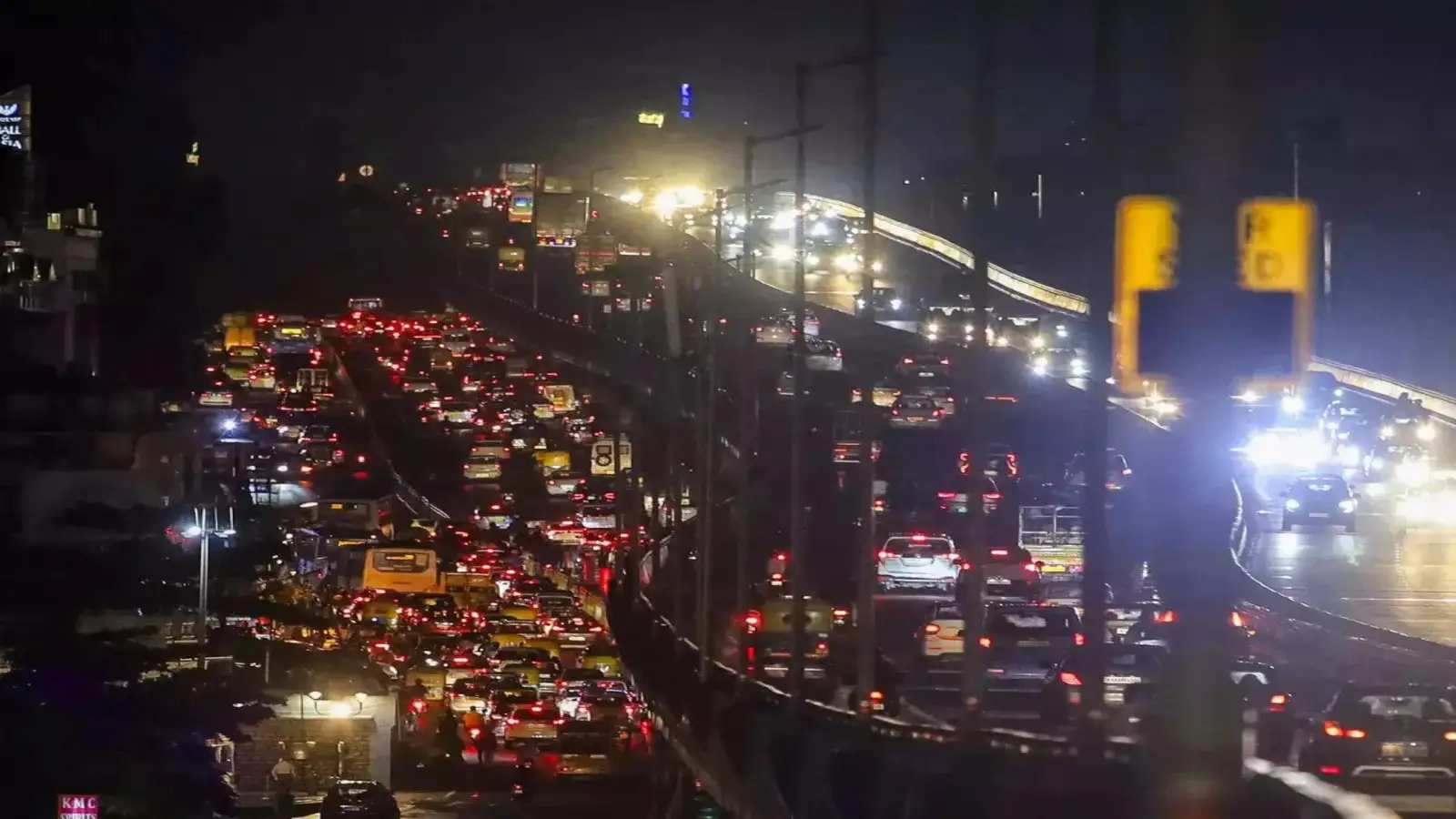
Pune, often articulated in online forums and local discussions, paint a vivid picture of a city grappling with the increasing complexities of urban mobility.
While specific data points from a forum post titled “BHP – Pune : Roads, traffic conditions, route queries and other assorted rants” are anecdotal, the sentiment it conveys reflects a broader urban challenge: the urgent need for sustainable, efficient, and equitable transportation solutions in a rapidly growing metropolis. The frustrations expressed likely encompass issues ranging from persistent traffic congestion and the condition of road infrastructure to the difficulties in navigating the city and the environmental consequences of vehicular overload. The “rants” alluded to in the forum title likely stem from the daily realities of navigating Pune’s roads, where bottlenecks at key junctions, the strain on existing infrastructure due to increasing vehicle ownership, and the challenges of last-mile connectivity contribute to commuter stress and lost productivity. These issues are not unique to Pune but are symptomatic of rapid urbanisation across India, where infrastructure development often struggles to keep pace with population growth and the burgeoning demand for personal vehicles.
However, within these challenges lie opportunities for transformative change, aligning with the vision of creating zero net carbon, eco-friendly, and sustainable cities. The queries about routes likely highlight the need for better public transportation options, integrated multi-modal transit systems, and real-time information for commuters to make informed choices. Addressing the “rants” about traffic conditions necessitates a multi-pronged approach, encompassing strategic infrastructure investments, intelligent traffic management systems, and a concerted push towards sustainable mobility alternatives. The transition to electric vehicles (EVs) offers a significant pathway towards reducing the carbon footprint of urban transportation in Pune. Encouraging EV adoption through incentives, expanding charging infrastructure, and integrating EVs into public transport fleets can contribute to cleaner air and quieter streets. Furthermore, investing in and prioritising public transportation, such as expanding the metro network, improving bus services, and creating dedicated lanes, can offer a viable and equitable alternative to private vehicles, reducing congestion and promoting inclusivity.
Creating pedestrian-friendly zones and dedicated cycling infrastructure are also crucial steps towards fostering sustainable urban mobility. By making walking and cycling safer and more convenient, cities can encourage a shift away from private vehicles for shorter distances, leading to reduced traffic congestion, improved air quality, and enhanced public health. Smart traffic management systems, leveraging real-time data and adaptive signal control, can optimise traffic flow and minimise bottlenecks, making existing infrastructure more efficient. Addressing the concerns raised by Pune’s commuters requires a holistic and integrated approach, one that prioritises sustainable and equitable solutions. By investing in green public transportation, promoting active mobility, and strategically managing traffic flow, Pune can transform the frustrations expressed in online forums into a catalyst for positive change, paving the way for a more liveable, efficient, and environmentally responsible urban future for all its residents. The “rants” are not just complaints; they are a call for a reimagining of urban mobility in Pune.
Also Read: Pune Infrastructure Boost Double Decker Ready
