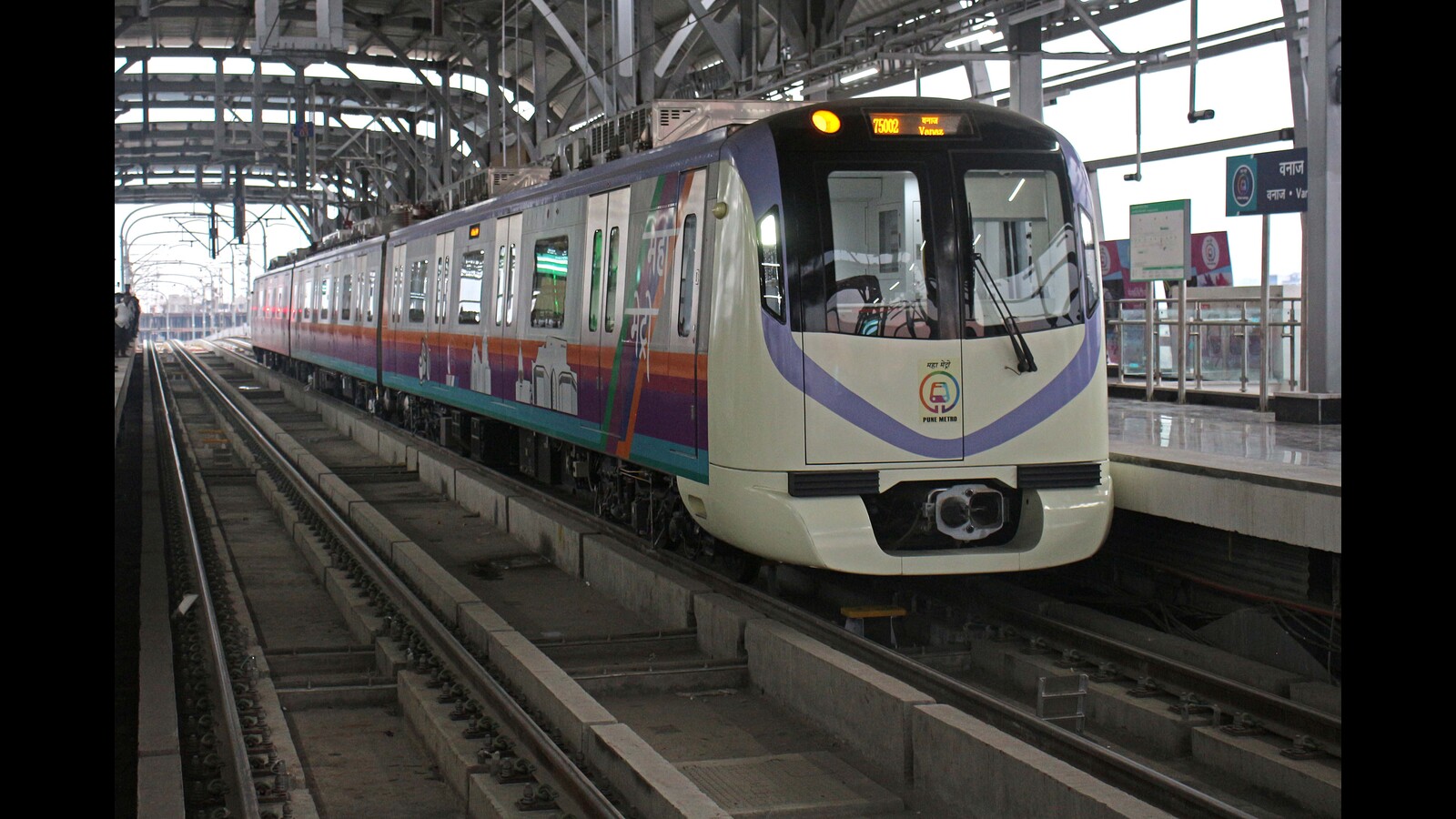
Pune commuters say 30 percent use Metro feeders, seek upgrades
A new survey by the Maharashtra Metro Rail Corporation has revealed that nearly 30% of Pune Metro passengers rely on feeder services such as PMPML buses and autorickshaws for last-mile connectivity, underscoring the growing demand for an integrated, eco-friendly urban mobility network. However, commuters assert that these services need urgent strengthening to match the city’s rising Metro ridership.
As Pune’s Metro network expands, currently operating across 30 stations with an average daily footfall of about two lakh passengers, the need for efficient and sustainable last-mile options has become critical. Despite efforts by the Pune Mahanagar Parivahan Mahamandal Ltd (PMPML) to align bus routes with Metro stations, low service frequency and limited route coverage remain persistent challenges for regular travellers.
Officials from the Metro authority confirmed that nearly one in three commuters use feeder buses or autos to complete their journeys. Continuous assessments and feedback collection are underway to identify bottlenecks. They added that coordination meetings with PMPML and local transport authorities are being held to explore new routes and improve the reliability of existing ones.However, commuters have pointed out several gaps in implementation.
Many feeder buses currently operate only in specific directions from major stations, leaving key neighbourhoods without coverage. The shortfall in bus frequency, particularly during rush hours, has led to overcrowding and longer waiting times, discouraging more commuters from adopting public transport over private vehicles.Another significant pain point remains the autorickshaw service. While shared-auto operations were introduced to promote affordable and low-emission mobility, drivers often refuse shared rides or overcharge passengers, citing lack of enforcement and infrastructure support. Commuters argue that a formalised system with digital fare regulation and designated auto bays could make a meaningful difference to last-mile convenience.
Urban transport experts suggest that an efficient feeder system is the backbone of a successful Metro network. Integrating Metro travel with sustainable last-mile options such as electric buses, shared e-autos, and micro-mobility services could substantially reduce private vehicle dependence, congestion, and emissions all vital components of building a zero-carbon urban future.Pune’s rapid urbanisation demands transport planning that is both people-centric and planet-conscious. Strengthening last-mile connectivity through better route planning, higher bus frequency, and strict fare regulation could make the Metro not just a mode of transport but a catalyst for sustainable urban transition. For a city aspiring to be greener and smarter, the journey from the Metro station to the doorstep may well decide how inclusive and efficient its future becomes.