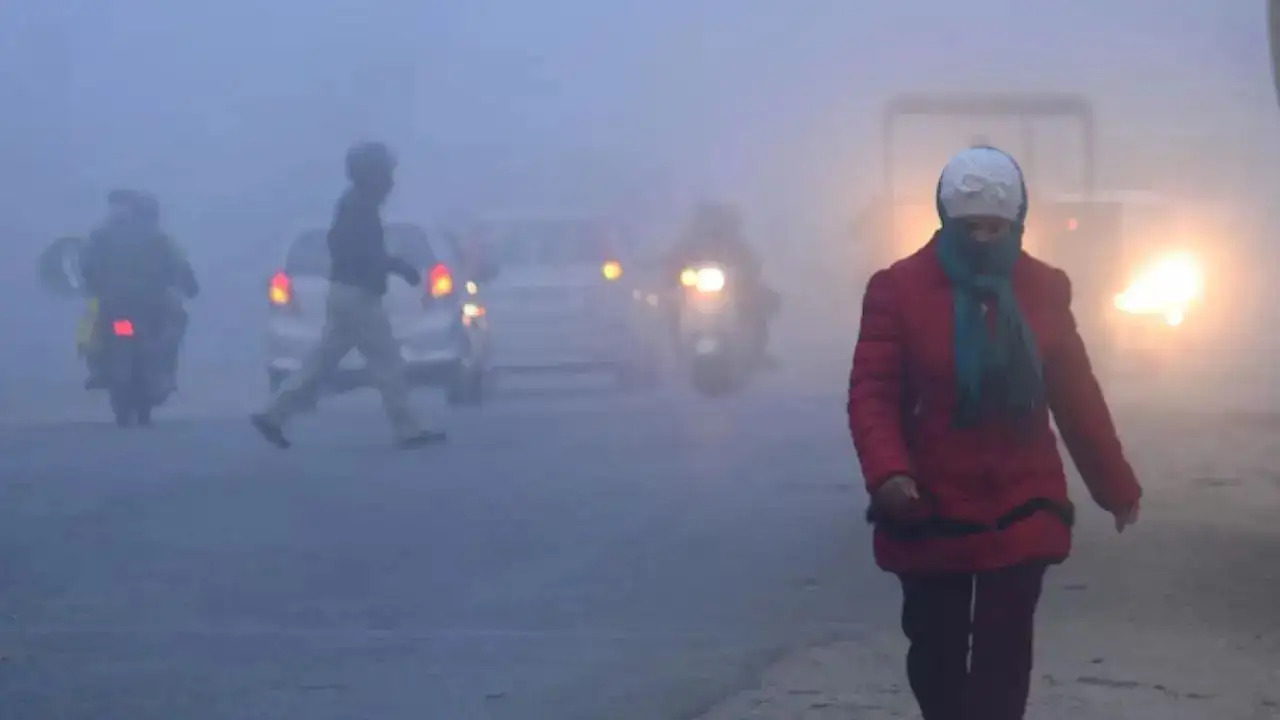
A slight softening of night-time temperatures in Pune this week has offered residents a fleeting return of winter coolness, even as broader climate indicators point to a warmer-than-usual February. The marginal dip, recorded across the city’s monitoring stations, is small in absolute terms but meaningful for urban comfort, energy use and air quality management in one of India’s fastest-growing metropolitan regions.
Meteorological data shows that Pune’s minimum temperature edged down after remaining largely unchanged for several days. Urban climate specialists say this brief cooling was enabled by reduced atmospheric moisture, clearer skies and northerly air movement conditions that allow heat accumulated during the day to dissipate more efficiently at night. Such short-lived fluctuations are typical during seasonal transitions, but they are increasingly shaped by regional climate variability rather than predictable winter patterns.For a city navigating rapid densification and expanding built-up areas, even minor temperature changes matter. Cooler nights can temporarily reduce demand for mechanical cooling in residential buildings, particularly in older housing stock that relies on natural ventilation. At the same time, uneven temperature patterns highlight the growing influence of the urban heat island effect, where concrete-heavy neighbourhoods retain warmth longer than greener, low-density zones.
Forecast guidance from national weather agencies suggests that this cooling window is unlikely to persist. Night-time temperatures across Pune and much of western India are expected to trend upward over the coming days, consistent with projections of above-average temperatures for the month. Climate analysts note that warmer nights, when combined with hotter days, can widen daily temperature swings, placing stress on both human health and agricultural systems in peri-urban districts. These shifts carry implications beyond personal comfort. Urban planners point out that higher minimum temperatures can increase baseline electricity demand, particularly in mixed-use developments where residential and commercial loads overlap. For municipal authorities, this underscores the need to align building codes, insulation standards and green cover targets with evolving climate realities, rather than relying on historical weather norms.
Air quality trends add another layer of complexity. While the citywide air quality index remained within the ‘moderate’ range, pollution hotspots near transport corridors and industrial clusters continued to report poorer readings. Environmental engineers explain that cooler nights with limited wind movement can trap pollutants close to the ground, especially in low-lying or densely built localities. Looking ahead, experts argue that Pune’s experience reflects a broader challenge facing Indian cities: adapting urban design, infrastructure and public services to increasingly variable weather. Investments in tree cover, reflective building materials and decentralised air quality monitoring could help cities remain liveable even as climate patterns grow less predictable. For Pune, managing these transitions will be central to balancing growth, resilience and quality of life.